

You’ve probably watched your dog flop down after a walk, tongue hanging out, chest moving fast, and wondered why do dogs pant after such a short walk. Most of the time, nothing is wrong. Panting is simply how your dog cools down and communicates, and it’s one of the most misunderstood habits in everyday dog ownership.
Quick Answer
Why do dogs pant? Dogs pant mainly to regulate body temperature, since they don’t sweat the way humans do.Rapid breathing moves air over the moist surfaces of the tongue, mouth, and airways, which causes evaporation and cools the blood. Dogs also pant from excitement, stress, or physical exertion — not only from heat.
Key Takeaways
✔ Dogs cool themselves mainly by panting, not sweating
✔ Panting speeds up evaporation across the tongue and airways
✔ Stress, excitement, and pain can trigger panting too
✔ Certain breeds pant more due to their skull shape
✔ Sudden or extreme panting can signal a medical issue
Table of Contents
- How Panting Actually Cools a Dog Down
- Why Dogs Can’t Sweat Like Humans
- Panting From Heat vs. Panting From Emotion
- Why Some Breeds Pant More Than Others
- When Panting Becomes a Warning Sign
- Myth vs Fact
- Quick Tips for Managing Excessive Panting
- FAQ
- Conclusion
How Panting Actually Cools a Dog Down
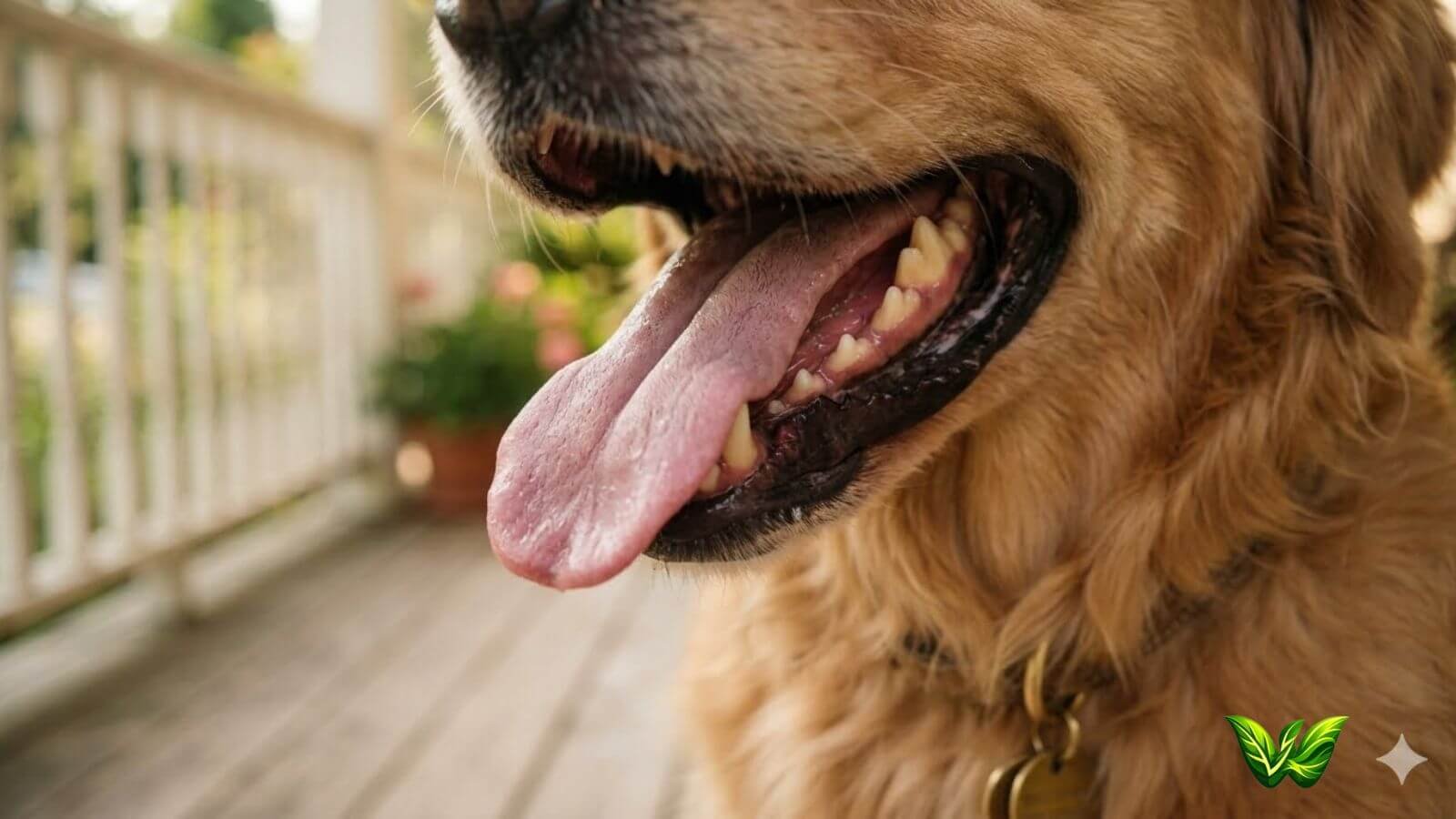
Understanding why do dogs pant becomes easier when you look at how their cooling system works. A dog’s body runs a few degrees warmer than a human’s, and it needs a fast, efficient way to release that heat. Panting is that system.
When a dog pants, air moves quickly in through the nose and out through the mouth. This airflow passes over the wet surfaces of the tongue, throat, and nasal passages. As moisture evaporates from those surfaces, it pulls heat away from the blood vessels just underneath — the same basic principle that makes a wet towel feel cool in a breeze.
The faster the panting, the more air moves across these surfaces, and the faster heat leaves the body. A dog at rest breathes around 15 to 30 times per minute, but during heavy panting, that rate can climb past 300 breaths per minute.
Why Dogs Can’t Sweat Like Humans
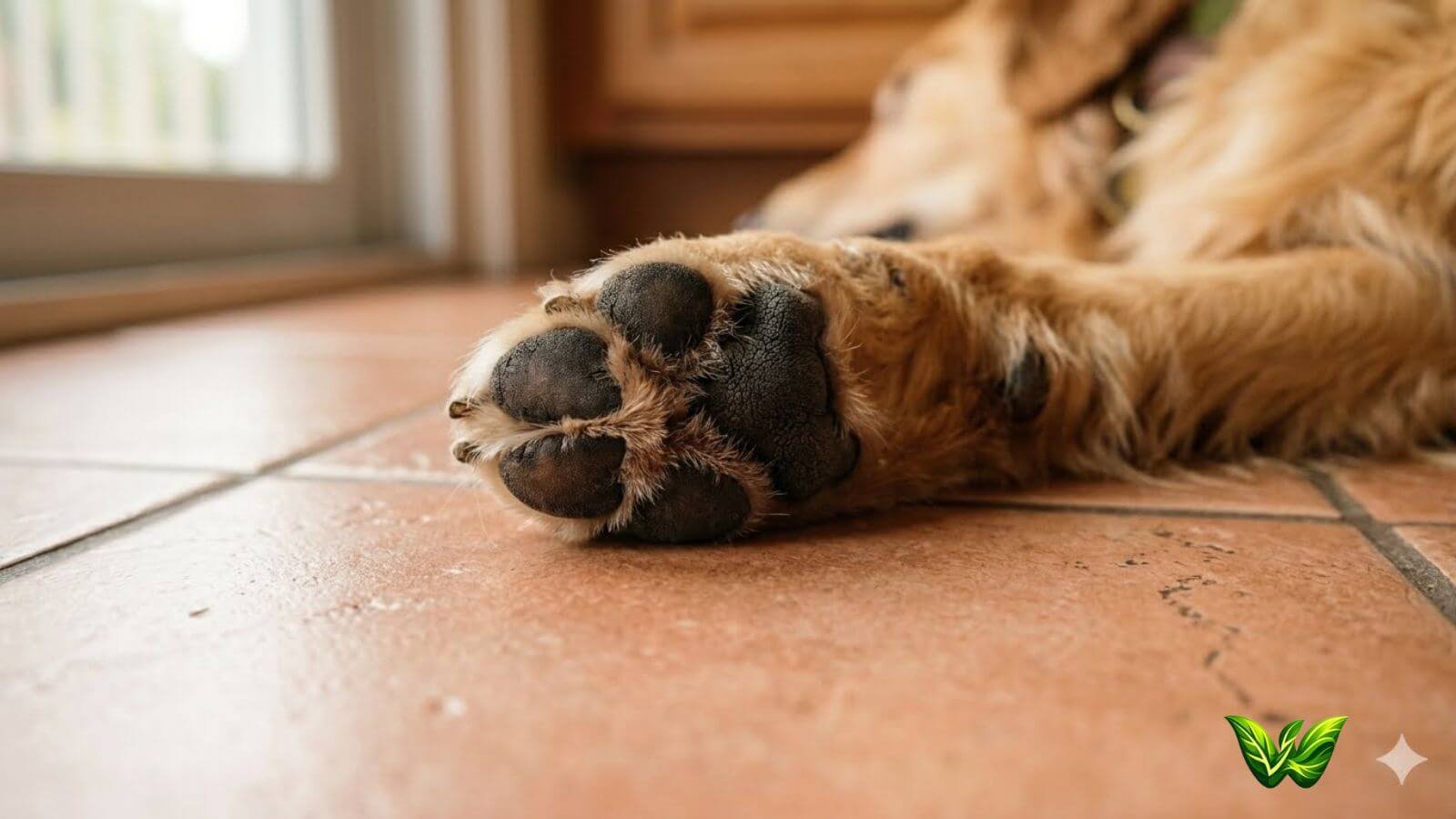
This difference in sweat glands helps explain why do dogs pant instead of relying on sweating like humans. Humans cool down through sweat glands spread across most of the skin. Dogs have sweat glands too, but they’re mostly limited to the paw pads, and they don’t produce nearly enough moisture to cool the whole body.
Because of this, evaporative cooling through the mouth and respiratory tract became the primary method for dogs. That’s why on a hot day, you’ll often see a dog’s paw prints looking slightly damp on tile or pavement — that’s the sweat gland system doing what little it can, while panting handles the bulk of the work.
read this Why Do Dogs Shake After Getting Wet? The Science Explained
Panting From Heat vs. Panting From Emotion
Heat isn’t the only answer to why do dogs pant. Dogs also pant when they’re excited, anxious, uncomfortable, or recovering from exercise. Not every painting episode is about temperature. Dogs also pant when they’re:
- Excited, such as right before a walk or when a favorite person walks in
- Anxious, during car rides, vet visits, or thunderstorms
- In mild pain or discomfort
- Recovering from exercise, even in cool weather
The pattern usually looks different from heat-related painting. Emotional or stress panting tends to be shorter, shallower, and often paired with other body language — a tucked tail, wide eyes, or pacing. Heat panting is typically steadier and paired with seeking shade, water, or a cool floor.
Why Some Breeds Pant More Than Others
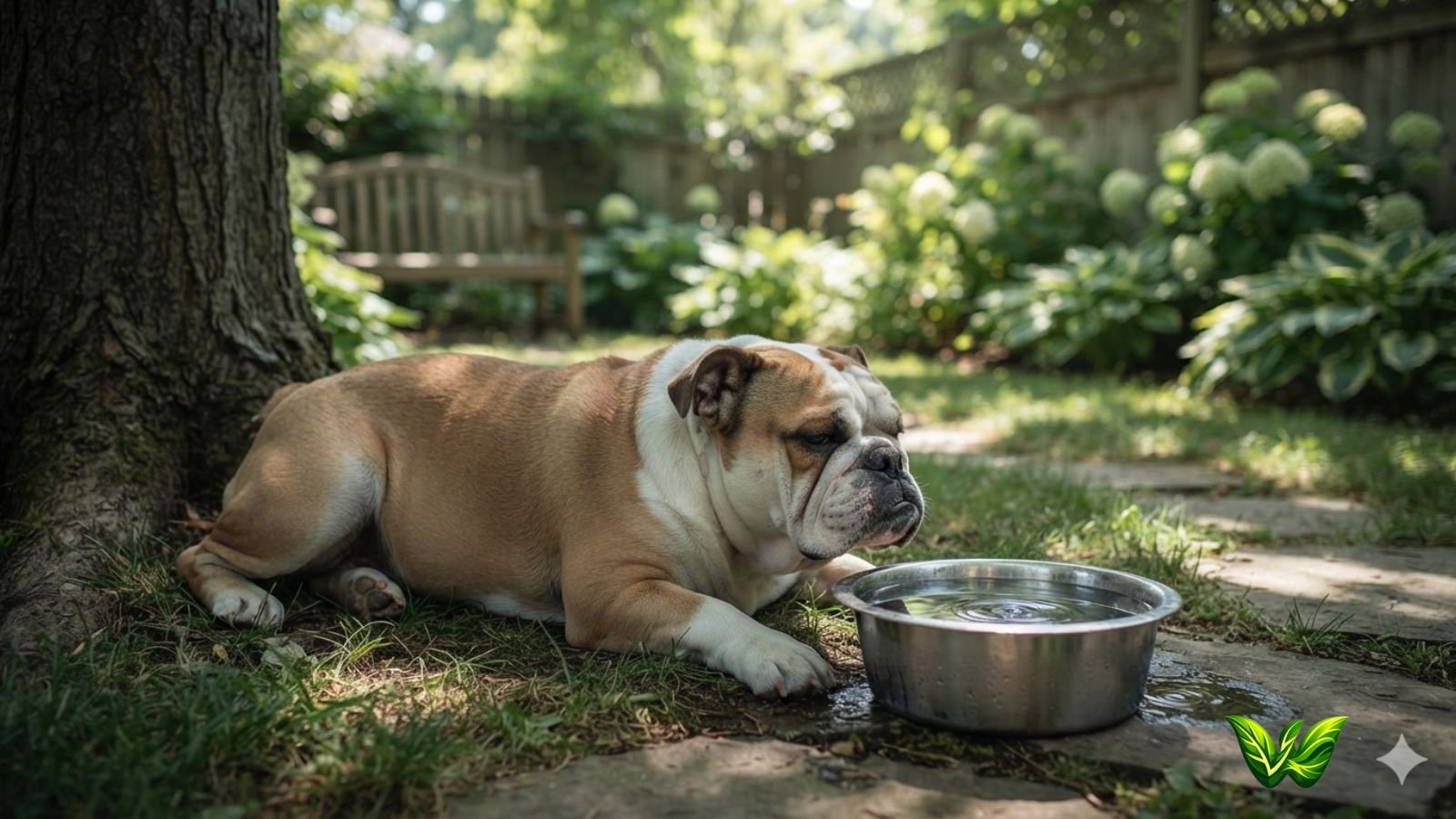
Breed structure can also affect why do dogs pant more heavily in certain situations. Flat-faced breeds — bulldogs, pugs, boxers, and similar breeds — tend to pant more heavily and less efficiently than longer-nosed dogs like greyhounds or collies. Their shortened airways and compressed nasal passages give them less surface area for the airflow that panting depends on.
This is part of a condition veterinarians call brachycephalic airway syndrome. Dogs with this build often struggle more in heat and may need extra caution during exercise or warm weather, since their cooling system simply isn’t as effective.
When Panting Becomes a Warning Sign
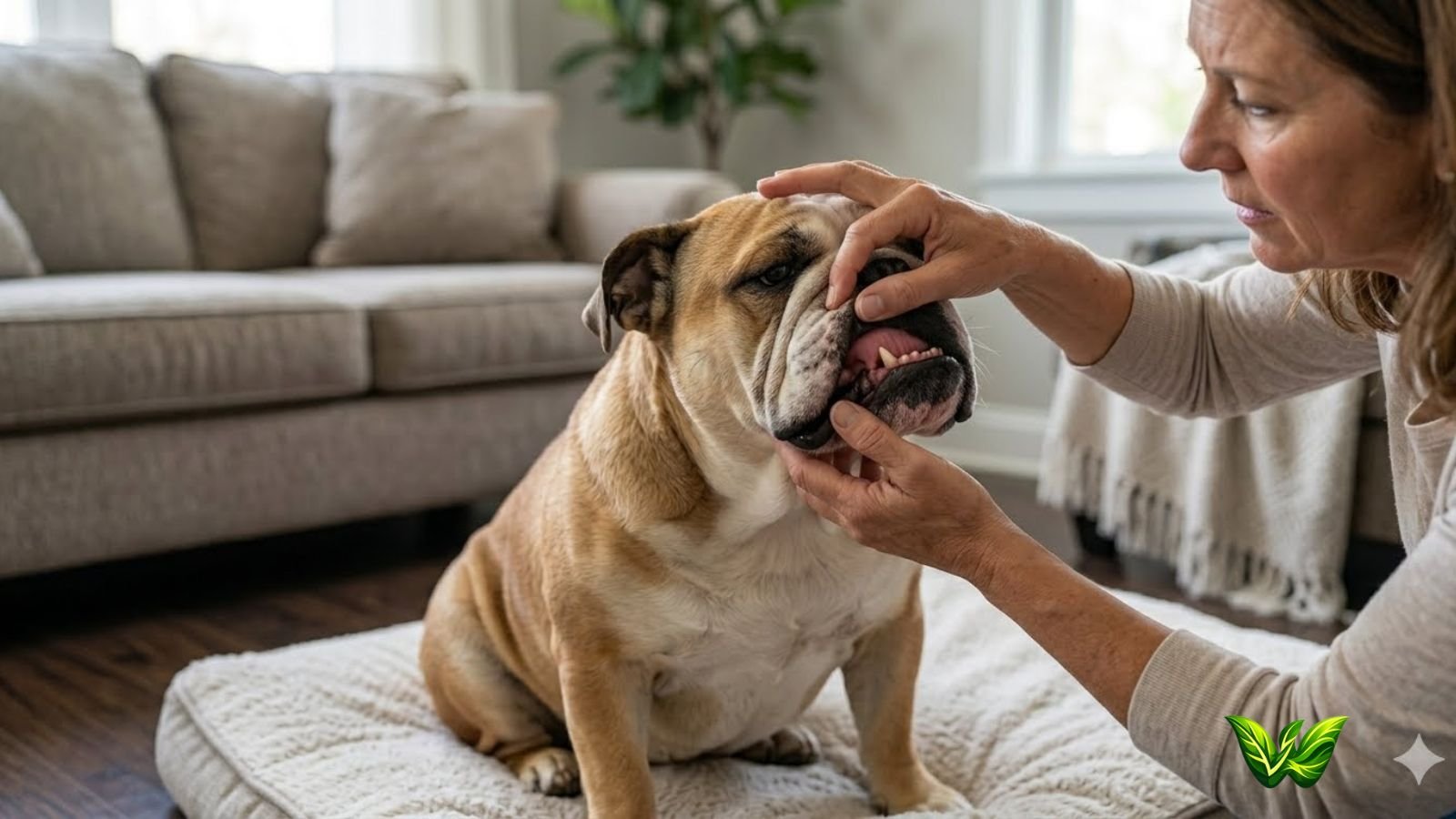
Occasional painting is normal. But certain patterns are worth paying attention to:
- Panting that starts suddenly with no clear trigger like heat or exercise
- Panting paired with pale or blue-tinted gums
- Heavy panting combined with weakness, stumbling, or collapse
- Panting that continues well after your dog has cooled down and rested
- Loud, labored, or noisy breathing alongside the panting
These signs can point to heatstroke, heart or lung problems, or pain, and they’re reasons to contact a veterinarian rather than wait it out.
read this Why Do Dogs Have Whiskers? Their Real Purpose Explained
💡 Did You Know?
A dog’s normal body temperature sits around 101 to 102.5°F. Once it climbs past 104°F, the risk of heatstroke rises sharply, which is why panting on a hot day should never be ignored.
Myth vs Fact
| Myth | Fact |
|---|---|
| Dogs pant only when they’re too hot | Dogs also pant from excitement, stress, pain, or after exercise |
| Heavy panting always means a dog needs water | It often does, but it can also signal overheating that needs immediate cooling, not just a drink |
| All dogs pant the same amount | Flat-faced breeds pant more heavily and cool down less efficiently than longer-nosed breeds |
Quick Tips for Managing Excessive Panting
- ✓ Keep fresh water available at all times, especially in warm weather
- ✓ Avoid exercising dogs during the hottest part of the day
- ✓ Give flat-faced breeds extra breaks and shade outdoors
- ✓ Watch for panting paired with gum color changes or weakness
- ✓ Call a vet if panting seems sudden, extreme, or doesn’t settle down
Frequently Asked Questions
Is it normal for dogs to pant a lot after playing?
Yes. Physical activity raises body temperature quickly, so panting afterward is the body’s normal way of cooling back down. It should ease within 15 to 20 minutes of rest in a cool spot.
Why does my dog pant at night when it’s not hot?
Why do dogs pant at night when the room is cool? Nighttime panting without heat can point to anxiety, discomfort, or an underlying health issue. If it happens regularly, it’s worth mentioning to a veterinarian, especially in senior dogs.
Can panting be a sign of a heart problem?
It can. Dogs with heart or lung conditions sometimes pant more than usual, even at rest. Persistent, unexplained panting is a reasonable reason for a veterinary checkup.
Do puppies pant more than adult dogs?
Puppies often pant more because they play harder and have less developed temperature regulation. It’s usually not a concern unless it’s paired with lethargy or other symptoms.
Conclusion
Once you understand why do dogs pant, that dramatic open-mouth breathing becomes much easier to read.Panting looks dramatic, but for most dogs, it’s just the body doing exactly what it’s supposed to do — moving air, releasing heat, and settling emotions.
The real skill for any dog owner is learning to tell the difference between a normal cool-down and a signal that something needs attention.
Related Article
Why Do Dogs Have Whiskers? Their Real Purpose Explained
Why Do Dogs Shake After Getting Wet? The Science Explained
Ethan Carter is a nature enthusiast and educational writer at Wonderexplained. He creates well-researched articles about animals, oceans, weather, and the natural world, making complex topics easy to understand. His goal is to provide accurate, engaging, and reader-friendly content that inspires curiosity and lifelong learning.

3 thoughts on “Why Do Dogs Pant? The Real Science Behind This Everyday Habit”