

Foxes are among the most widespread and adaptable wild canines, found on nearly every continent and thriving in habitats ranging from Arctic tundra to city neighborhoods. There are more than 30 species commonly called foxes, though the red fox, the most widely distributed of them, is the one most people picture.
These fox facts cover their anatomy, senses, hunting behavior, family life, and adaptations, based on current scientific understanding of these highly adaptable animals.
Quick Facts About Foxes
- Classification: Canids (family Canidae), most closely related to other members of the dog family
- Most widespread species: The red fox (Vulpes vulpes), found across much of the Northern Hemisphere
- Habitat: Extremely varied, including forests, grasslands, deserts, Arctic tundra, and urban areas
- Diet: Omnivorous; small mammals, birds, insects, fruit, and human food scraps in urban settings
- Social structure: Often solitary or living in small family groups rather than large packs
- Conservation status: Varies by species; the red fox is widespread and not threatened, while some species like the island fox have faced serious population concerns
Read This 40+Tiger Facts: Interesting Facts About Tigers[2026]
Anatomy and Physical Features
Fox Species Vary Widely in Size and Coloring
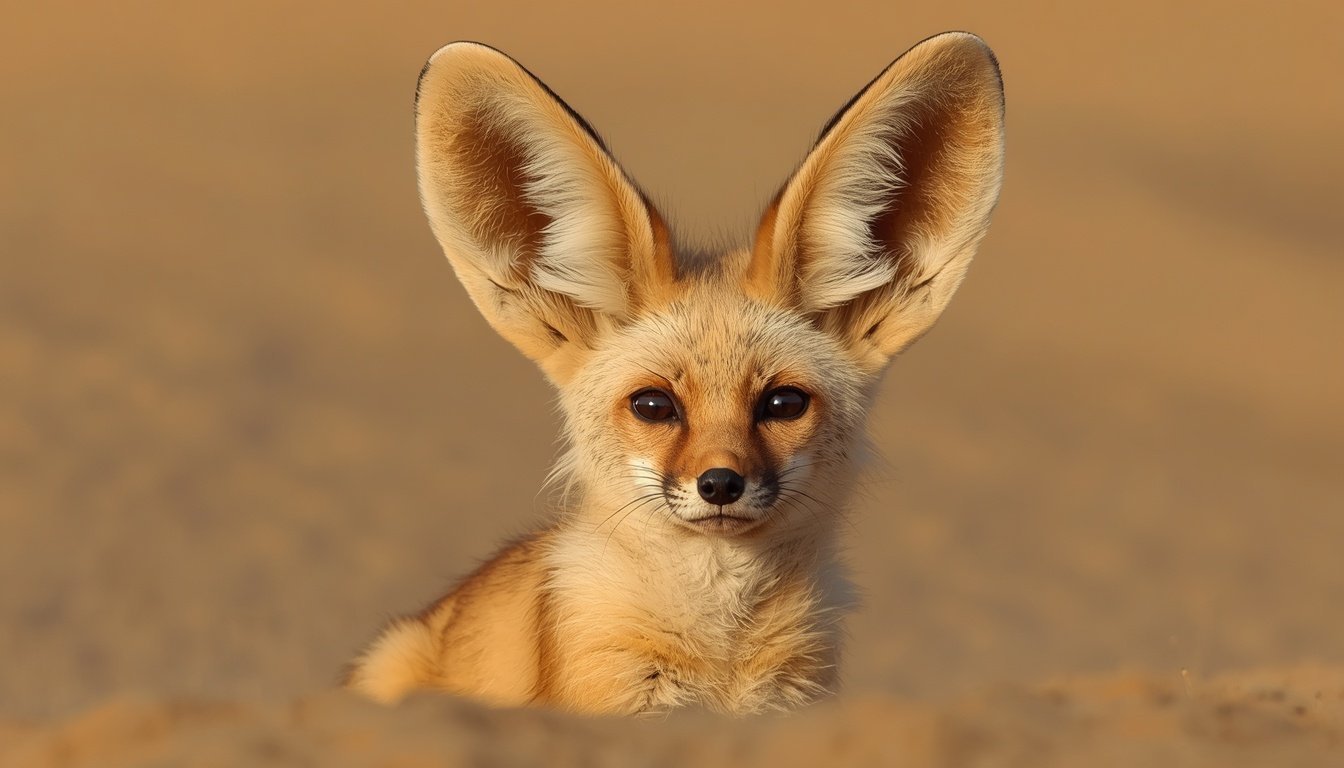
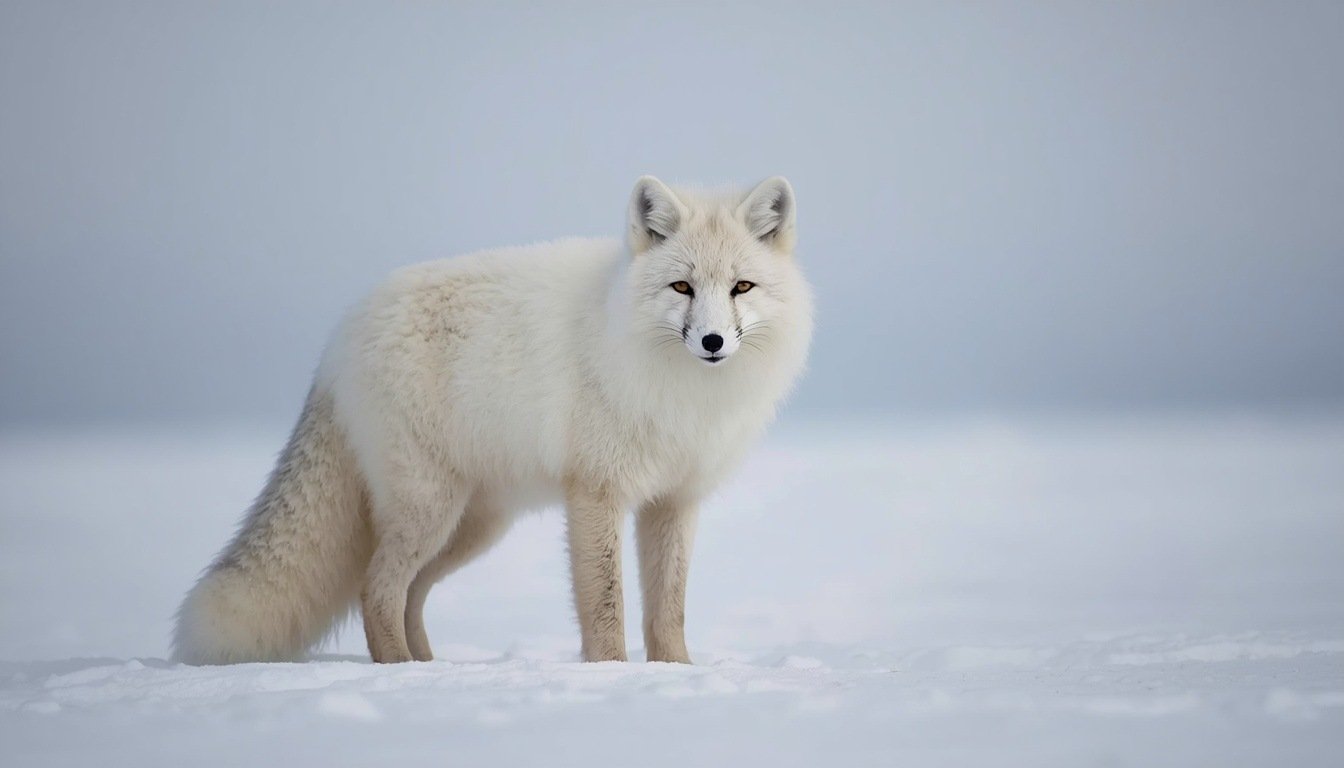
While the reddish coat of the red fox is the image most people associate with foxes, other species look quite different. The Arctic fox has a thick white or bluish-gray coat that changes with the seasons, and the fennec fox, native to desert regions, has notably large ears relative to its small body size.
A Fox’s Tail Serves Multiple Purposes
The bushy tail, sometimes called a “brush,” helps with balance during quick turns and can be wrapped around the body for warmth in cold weather. Foxes also use tail position and movement as part of their body language when communicating with other foxes.
Fox Ears Are Adapted for Both Hearing and Temperature Control
Large ears, particularly in desert species like the fennec fox, help radiate excess body heat in hot climates. Across fox species generally, ears are also highly sensitive, helping them detect small prey moving under snow or vegetation.
Foxes Have Vertically Slit Pupils Like Cats
Unlike most other canids, foxes have vertically oriented pupils similar to cats, an adaptation thought to assist with depth perception during low-light hunting, a trait shared with several other ambush-style predators.
Senses and Hunting
Foxes Can Hear Prey Moving Underground or Under Snow
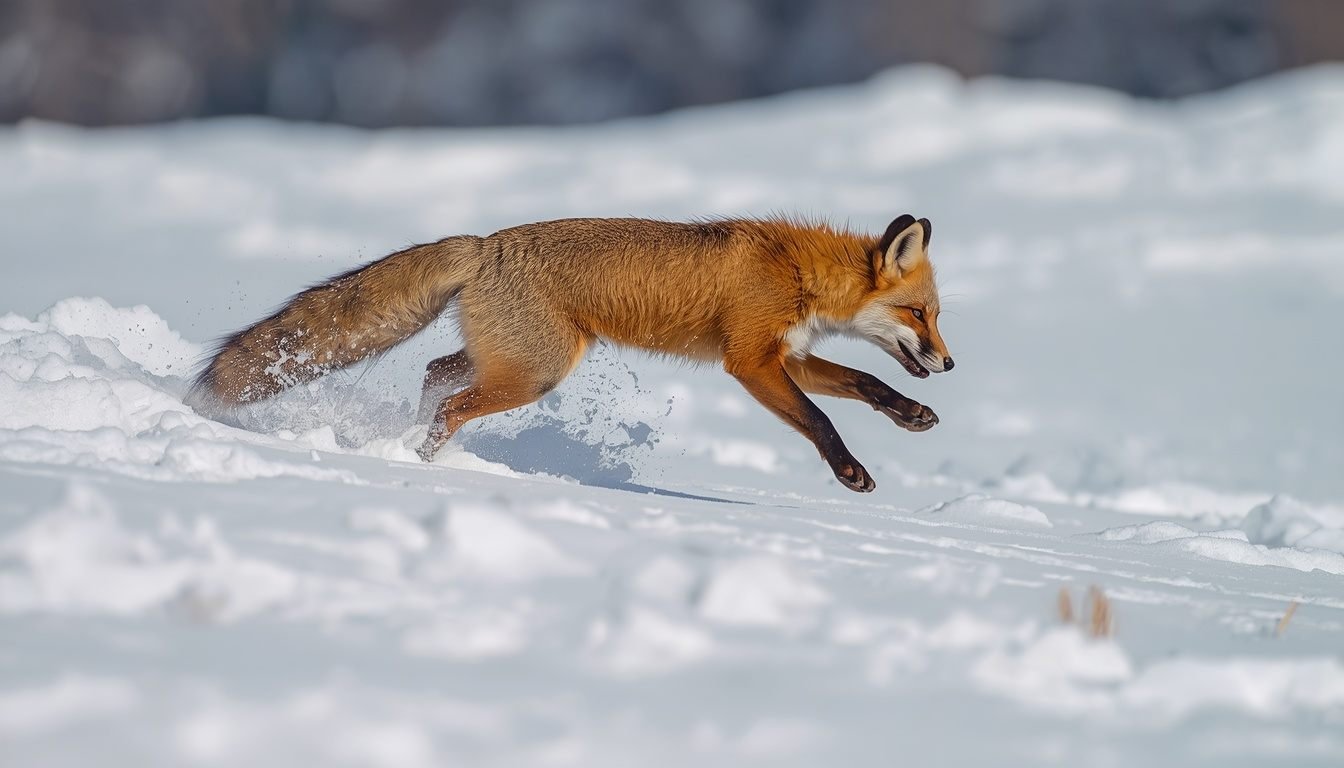
Foxes have highly sensitive hearing that allows them to detect small animals like rodents moving beneath snow or leaf litter. This ability supports a distinctive hunting behavior in which a fox leaps and dives headfirst into snow to catch prey it has located by sound alone.
Foxes Are Opportunistic Omnivores
Most fox species eat a wide variety of food, including small mammals, birds, insects, fruit, and in some cases human food waste, particularly in urban environments. Diet composition shifts significantly depending on season and habitat.
Foxes Often Cache Extra Food
When food is abundant, foxes frequently bury surplus food to retrieve later, a behavior known as caching. Studies suggest foxes may use scent and spatial memory to relocate these caches, though how reliably they remember specific locations can vary.
Habitat and Range
The Red Fox Has One of the Widest Ranges of Any Carnivore
Red foxes are found naturally across much of North America, Europe, and Asia, and have also been introduced to Australia, where they are considered an invasive species that affects native wildlife. This broad range reflects the species’ notable adaptability to different climates and habitats.
Some Fox Species Are Highly Specialized to Extreme Environments
The Arctic fox is adapted to some of the coldest environments on Earth, with thick fur and a compact body shape that helps conserve heat. In contrast, the fennec fox is adapted to hot, arid desert conditions, relying on its large ears and efficient kidneys to manage heat and limited water availability.
Foxes Have Adapted Successfully to Urban Environments
Red foxes, in particular, have established populations in many cities around the world, taking advantage of food sources like garbage, gardens, and small urban wildlife. This adaptability has made them one of the more commonly observed wild carnivores in developed areas.
Behavior and Social Life
Foxes Are Often Solitary but Not Always
Many fox species are primarily solitary hunters, though some, including red foxes, may live in small family groups consisting of a breeding pair and their offspring from the current or previous year. Group size and structure vary by species, location, and food availability.
Fox Vocalizations Include a Wide Range of Sounds
Foxes are known for producing an unusually varied set of vocalizations, including barks, screams, and other calls used for communication, particularly during the breeding season. Some of these calls can sound startling to people unfamiliar with fox behavior.
Foxes Use Scent Marking to Communicate
Foxes mark territory and communicate information to other foxes using scent from glands and urine. This helps convey details such as territory boundaries and reproductive status without requiring direct contact between individuals.
Read This 45+Panda Facts: Interesting Facts About Giant Pandas[2026]
Reproduction and Kits
Fox Young Are Called Kits or Cubs
A group of baby foxes is generally referred to as kits, though the term “cubs” is also used. Litter size varies by species and environmental conditions, with several kits typically born in a single litter for many fox species.
Both Parents Often Help Raise the Young
In several fox species, including the red fox, both the mother and father may play a role in raising kits, with the male sometimes bringing food to the den while the female nurses. The extent of paternal involvement can vary by species and individual circumstances.
Kits Stay Near the Den Before Becoming Independent
Young foxes typically remain close to the den for the first several weeks of life, gradually venturing farther as they grow and begin learning to hunt. Most fox species become independent from their parents within their first year.
Read This 40+Elephant Facts: Interesting Facts About Elephants[2026]
Survival and Adaptations
Foxes Are Known for Their Adaptability
Compared to many other wild canids, foxes are generally considered highly adaptable, capable of adjusting their diet, denning behavior, and activity patterns to a wide range of environments, from remote wilderness to dense cities.
Camouflage Helps Some Fox Species Avoid Predators
Coat coloration in many fox species offers some degree of camouflage suited to their habitat, such as the Arctic fox’s seasonal white coat blending with snow, or desert species’ sandy coloring matching arid terrain.
Foxes Are Mainly Active at Dawn, Dusk, or Night
Many fox species are crepuscular or nocturnal, being most active during twilight hours or at night, which may help them avoid larger predators and take advantage of the activity patterns of their prey.
Interesting and Lesser-Known Facts
The Fennec Fox Is the Smallest Fox Species
The fennec fox, native to the Sahara and other North African deserts, is generally recognized as the smallest fox species, notable for its proportionally enormous ears relative to its body size.
Some Island Fox Populations Have Faced Serious Conservation Challenges
The island fox, found only on California’s Channel Islands, experienced a sharp population decline in the late 20th century due to factors including introduced predators and disease. Conservation efforts have since helped several island fox populations recover, though ongoing monitoring continues.
Foxes Are Featured Prominently in Folklore Around the World
Foxes appear frequently in folklore and mythology across many cultures, often portrayed as clever or cunning figures. This reputation reflects long-standing human fascination with fox behavior rather than a documented measure of their intelligence compared to other animals.
Frequently Asked Questions
What do foxes eat?
Foxes are omnivorous and eat a wide variety of food, including small mammals, birds, insects, and fruit. In urban areas, they may also scavenge human food waste.
Where do foxes live?
Fox species live in an extremely wide range of habitats, including forests, grasslands, deserts, Arctic tundra, and cities, depending on the species. The red fox has one of the broadest ranges of any wild carnivore.
Are foxes dangerous to humans?
Foxes generally avoid humans and are not considered a significant danger, though like any wild animal, they can act defensively if cornered or threatened. As with other wild canids, caution around rabies risk is worth noting in areas where it occurs.
How long do foxes live?
Lifespan varies by species and environment, with many wild foxes living several years, though survival can be shortened by predation, disease, and human-related hazards. Foxes in captivity often live longer than those in the wild.
Are fox facts related to dogs?
Yes. Foxes belong to the same family as dogs, Canidae, though they are more distantly related to domestic dogs than wolves are, and foxes have not been domesticated in the way dogs have.
Conclusion
Foxes stand out among wild canids for their remarkable adaptability, thriving everywhere from Arctic ice to desert sand to busy city streets. Their varied vocalizations, cat-like pupils, and food-caching behavior reflect a mix of adaptations suited to an opportunistic lifestyle. At the same time, conservation status differs sharply across species, from the widespread and stable red fox to more vulnerable species like the island fox, which has required focused conservation efforts to recover.

Ethan Carter is a nature enthusiast and educational writer at Wonderexplained. He creates well-researched articles about animals, oceans, weather, and the natural world, making complex topics easy to understand. His goal is to provide accurate, engaging, and reader-friendly content that inspires curiosity and lifelong learning.

2 thoughts on “15+Fox Facts: Interesting Facts About Foxes[2026]”