

Wolves are the largest wild members of the dog family, known for their close-knit packs, distinctive howls, and wide-ranging travels across forests, tundra, and grasslands. The gray wolf is the most widespread wolf species, found across parts of North America, Europe, and Asia, and it is also the ancestor of the domestic dog.
These wolf facts cover their anatomy, hunting behavior, pack life, communication, and conservation status, based on current scientific understanding of these highly social predators.
Quick Facts About Wolves
- Scientific name: Canis lupus (gray wolf); other species include the red wolf and Ethiopian wolf
- Classification: Canids (family Canidae), the ancestor species of the domestic dog
- Habitat: Forests, tundra, grasslands, and mountains across parts of North America, Europe, and Asia
- Diet: Carnivore; mainly hoofed animals such as deer, elk, and moose, along with smaller prey
- Social structure: Lives in family groups called packs, typically led by a breeding pair
- Conservation status: Varies by region and species; the gray wolf is stable in some areas and still recovering or protected in others
Anatomy and Physical Features
Wolves Are the Largest Wild Canids
Gray wolves are generally the largest members of the wild dog family, with size varying considerably by subspecies, region, and individual. Wolves in colder northern regions tend to be larger on average than those in warmer climates, a pattern seen in several other wide-ranging mammals as well.
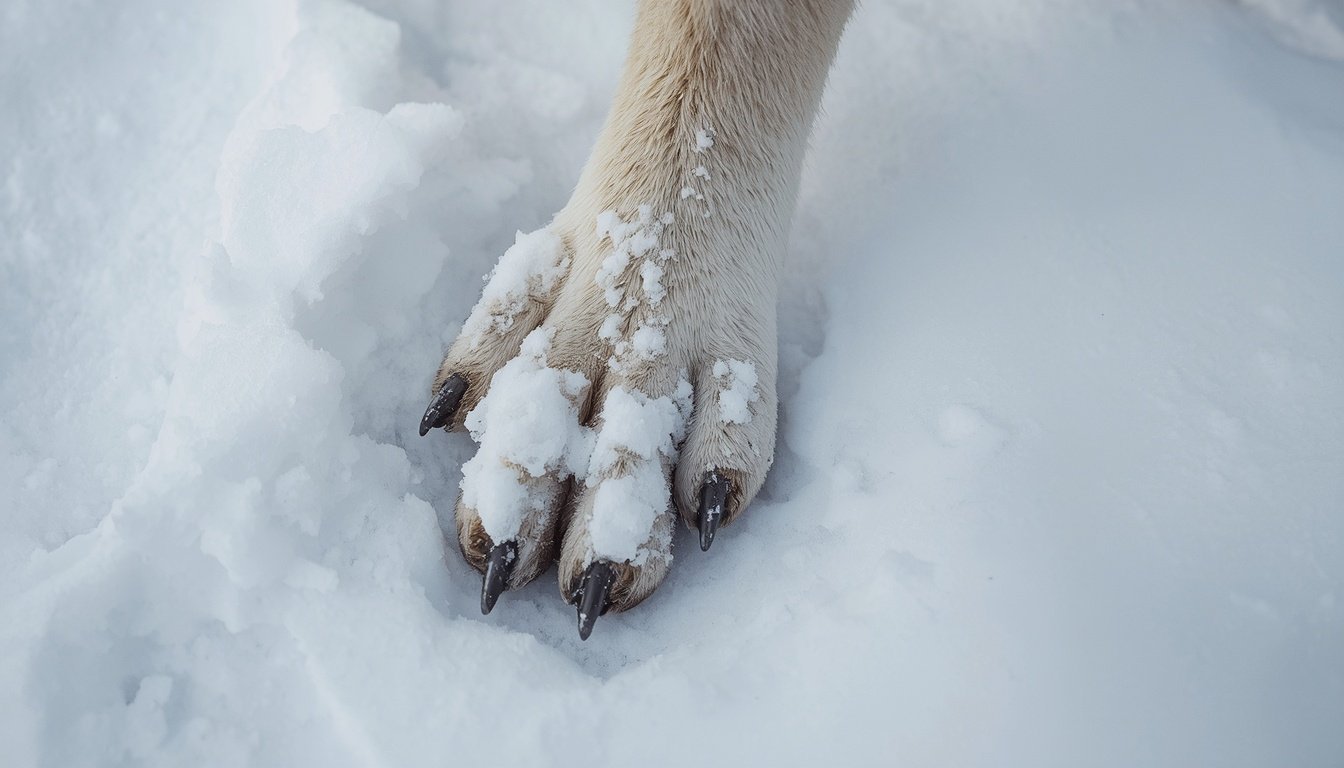
A Wolf’s Paws Are Built for Long-Distance Travel
Wolves have large paws relative to their body size, which help distribute weight over snow and rough terrain. This adaptation supports their ability to travel long distances, sometimes many miles in a single day, while patrolling territory or following prey.
Wolves Have Powerful Jaws for Taking Down Large Prey
Wolves have strong jaw muscles and teeth adapted for gripping, tearing, and crushing bone, which allows a pack to bring down animals considerably larger than an individual wolf. This bite strength is often cited as notably greater than that of a domestic dog of similar size, though exact comparative figures vary by study.
Wolf Coat Color Varies by Region and Individual
Wolf fur ranges from white and gray to brown and black, with color often related to habitat and geographic origin. Arctic wolf populations, for example, tend to have lighter coats that blend with snowy environments.
Diet and Hunting
Wolves Primarily Hunt Large Hoofed Animals
Common prey includes deer, elk, moose, and caribou, depending on the region, with wolves typically targeting the young, old, sick, or otherwise vulnerable individuals within a herd. This selective pressure is thought to play a role in maintaining the overall health of prey populations, though the ecological effects are complex and studied differently across ecosystems.
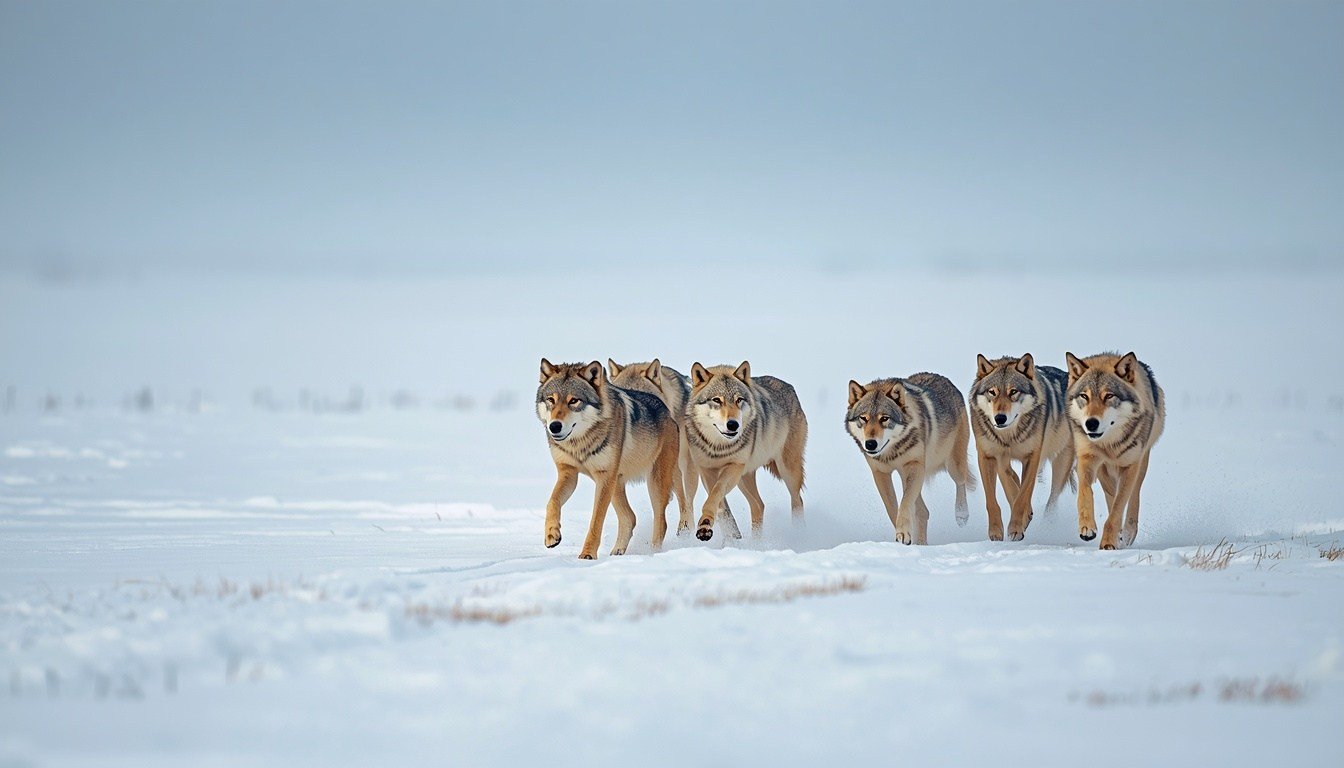
Wolves Hunt Cooperatively as a Pack
Coordinated pack hunting allows wolves to take down prey much larger than a single wolf could manage alone, using strategies such as chasing prey toward other pack members or targeting weaker individuals in a herd. Specific tactics can vary by prey type, terrain, and pack experience.
Hunting Success Rates Are Often Lower Than Expected
Even well-coordinated wolf hunts frequently fail, since hoofed prey can be fast, alert, and capable of defending themselves. Success rates vary considerably depending on prey species, snow conditions, and pack size, so wolves often rely on persistence and numerous attempts rather than guaranteed success.
Habitat and Range
Gray Wolves Have One of the Widest Ranges of Any Large Carnivore
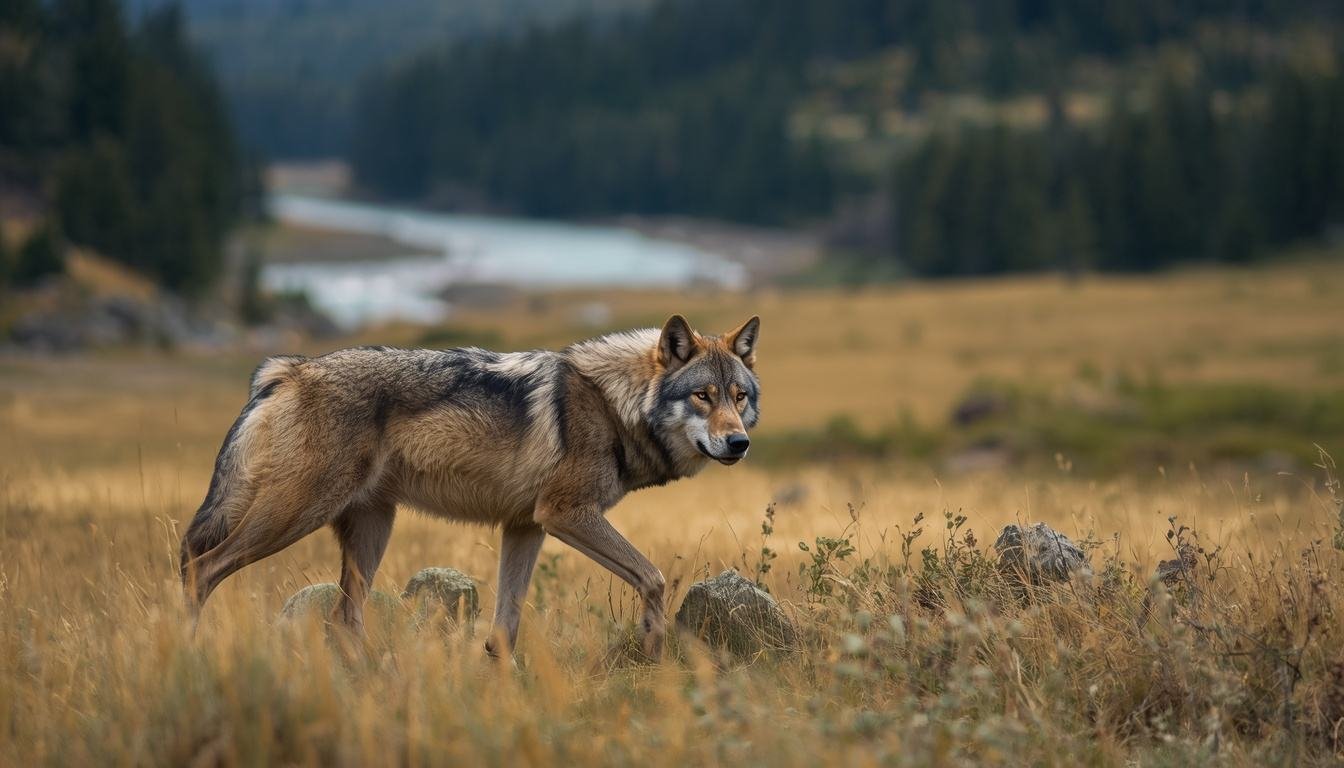
Historically, gray wolves ranged across much of the Northern Hemisphere, and while their range has contracted significantly due to hunting and habitat loss, they remain present across parts of North America, Europe, and Asia, often within protected areas or regions with lower human density.
Wolves Use Large Territories
A wolf pack’s territory size varies enormously depending on prey availability and competition with neighboring packs, and packs actively defend their territory from other wolves through scent marking, howling, and direct confrontation when necessary.
Some Wolf Populations Have Been Reintroduced to Former Ranges
Reintroduction programs, such as the well-documented release of gray wolves into Yellowstone National Park in the 1990s, have restored wolf populations to some areas where they had been eliminated. These programs have provided researchers with detailed data on how wolves affect ecosystems when they return to former habitat.
Behavior and Pack Life
Wolf Packs Are Typically Led by a Breeding Pair
Most wolf packs consist of a breeding male and female, often called the alpha pair in older literature, along with their offspring from one or more years. Researchers today generally favor describing this structure as a family unit rather than using dominance-based “alpha” terminology, since pack leadership in wild wolves usually reflects parentage rather than rank contests.
Pack Size Varies With Prey and Habitat
Wolf pack size can range from just a couple of individuals to over a dozen, depending on prey availability, habitat, and the time since the pack’s last breeding season. Larger prey generally supports larger packs.
Wolves Rely on Strong Social Bonds Within the Pack
Cooperative behaviors such as group hunting, pup-rearing, and territory defense depend on close social bonds among pack members. Wolves also display behaviors like greeting rituals and play that appear to reinforce these relationships, though interpreting the underlying emotional experience remains an area of caution for researchers.
Read This 15+Fox Facts: Interesting Facts About Foxes[2026]
Communication
Wolf Howls Can Travel Long Distances
Howling helps wolves communicate with pack members over long distances, coordinate movements, and signal territory boundaries to neighboring packs. Different wolves may have somewhat distinguishable howls, and pack members sometimes howl together in a chorus.
Wolves Use Body Language and Facial Expressions
In addition to vocalizations, wolves communicate through posture, tail position, ear position, and facial expressions, conveying information about mood, social status within the family unit, and intentions to other pack members.
Scent Marking Plays a Key Role in Wolf Communication
Wolves use urine, feces, and scent gland secretions to mark territory boundaries and communicate information to other wolves, including pack members and rival packs. This scent-based communication helps reduce the frequency of direct, potentially dangerous encounters between packs.
Reproduction and Pups
Wolf Pups Are Born Blind and Dependent
Newborn wolf pups cannot see for their first couple of weeks and rely entirely on their mother for warmth and nourishment during this period. Pups are typically born in a den that the pack has prepared in advance.
The Whole Pack Often Helps Raise Pups
Beyond the parents, other pack members frequently participate in caring for and feeding pups, including regurgitating food for them after they are weaned. This cooperative care is thought to improve pup survival, particularly in packs with more available adult members.
Young Wolves Typically Leave to Form Their Own Packs
As wolves mature, many eventually disperse from their birth pack to find a mate and establish new territory, sometimes traveling long distances in the process. Not all wolves disperse, and some remain with their family pack for extended periods.
Read This 45+Panda Facts: Interesting Facts About Giant Pandas[2026]
Conservation
Wolf Conservation Status Varies Significantly by Region
Gray wolf populations have recovered substantially in some areas, including parts of the northern United States and Europe, while remaining absent or at risk in others due to historical hunting, habitat loss, and ongoing conflict with livestock interests. Because legal protections and population figures change over time, current status should be checked against up-to-date regional and national listings.
Conflict With Livestock Remains a Central Conservation Issue
As wolf populations recover in some regions, conflicts with livestock owners have increased, sometimes resulting in wolves being killed in response to predation on cattle or sheep. Various non-lethal deterrent methods and compensation programs have been developed to help address this ongoing tension.
Wolves Can Have Significant Effects on Ecosystems
Research following wolf reintroduction in areas like Yellowstone has documented changes in prey behavior and vegetation patterns linked to the presence of wolves, an effect sometimes referred to as a trophic cascade. The scale and mechanisms of these effects are still an active area of scientific study and some debate.
Read This 40+Elephant Facts: Interesting Facts About Elephants[2026]
Interesting and Lesser-Known Facts
Wolves Are the Ancestors of Domestic Dogs
Genetic evidence indicates that all domestic dogs descended from a population of gray wolves that began associating with humans thousands of years ago. The exact timeline and location of domestication remain subjects of ongoing scientific research.
The Red Wolf Is a Distinct and Critically Endangered Species
The red wolf, native to the southeastern United States, is considered critically endangered, with wild populations maintained through intensive conservation and reintroduction efforts. It is genetically and physically distinct from the more widespread gray wolf.
Wolves Can Travel Impressive Distances in a Single Day
Wolves are capable of covering many miles in a day while patrolling territory or following migrating prey, and some tracked individuals have dispersed hundreds of miles from their birth pack to establish new territory.
Frequently Asked Questions
What do wolves eat?
Wolves are carnivores that primarily hunt large hoofed animals like deer, elk, and moose, though they will also eat smaller mammals and scavenge when the opportunity arises.
Where do wolves live?
Gray wolves live in forests, tundra, grasslands, and mountains across parts of North America, Europe, and Asia, often within protected areas or regions with lower human population density.
Are wolves dangerous to humans?
Wild wolves generally avoid humans, and confirmed unprovoked attacks are considered rare. Most documented conflicts involve livestock rather than direct threats to people.
How long do wolf facts live?
Wild wolves often live several years, though lifespan varies with factors like pack dynamics, food availability, and human-related threats. Wolves in captivity typically live longer than those in the wild.
Are wolves related to dogs?
Yes. Domestic dogs are descended from gray wolves, making wolves the closest wild relatives of the family dog, even though thousands of years of domestication have led to significant behavioral and physical differences.
Conclusion
Wolves are defined by their complex social structure, cooperative hunting, and long-distance communication through howls and scent marking. Their family-based pack life, in which most members contribute to raising pups and defending territory, reflects a highly coordinated approach to survival. At the same time, wolf conservation remains an evolving story, shaped by regional recovery successes, ongoing conflict with livestock interests, and continued research into their broader effects on the ecosystems they inhabit.

Ethan Carter is a nature enthusiast and educational writer at Wonderexplained. He creates well-researched articles about animals, oceans, weather, and the natural world, making complex topics easy to understand. His goal is to provide accurate, engaging, and reader-friendly content that inspires curiosity and lifelong learning.

2 thoughts on “25+Wolf Facts: Interesting Facts About Wolves[2026]”