

Picture a creature large enough to make a school bus look small, swimming through open ocean with nothing around for miles. It seems like nothing could threaten something that size. And yet, several whale species are still fighting for survival today, decades after commercial whaling was banned in most of the world.
That contradiction is exactly what makes the question why are whales endangered worth answering properly.
Quick Answer
Why are whales endangered?Whales face several major threats, including ship strikes, entanglement in fishing gear, climate change, noise pollution, and the lingering effects of historical whaling.Species like the North Atlantic right whale and the blue whale reproduce slowly, which makes it difficult for their populations to recover once numbers drop.
Key Takeaways
✔ Not all whale species are endangered, some have recovered well since whaling bans took effect
✔ Ship strikes and fishing gear entanglement are two of the leading causes of whale deaths today
✔ Climate change is disrupting krill and prey populations that whales depend on
✔ Whales reproduce slowly, often having just one calf every two to three years
✔ Underwater noise pollution interferes with how whales communicate and navigate
✔ The Rice’s whale, found only in the Gulf of Mexico, is considered the most endangered whale species alive
Table of Contents
- The Long Shadow of Commercial Whaling
- Ship Strikes: A Modern, Preventable Threat
- Entanglement in Fishing Gear
- How Climate Change Is Reshaping Whale Survival
- Ocean Noise Pollution and Its Hidden Cost
- Why Whale Populations Recover So Slowly
- Which Whale Species Are Most at Risk
- What’s Actually Being Done to Help
The Long Shadow of Commercial Whaling
Many people assume whaling stopped decades ago and the problem simply ended there. The real story is more complicated than that.
Commercial whaling pushed several species to the edge of extinction throughout the nineteenth and twentieth centuries, wiping out huge portions of global whale populations before international regulations finally caught up. The International Whaling Commission introduced a moratorium on commercial whaling in 1986, and that decision genuinely helped. Some populations, like certain humpback whale groups, have shown real signs of recovery since then.
But recovery isn’t guaranteed for every species, and it isn’t fast. Populations that were reduced to just a few hundred individuals don’t bounce back in a generation or two. For species like the North Atlantic right whale, the damage from that era still shapes their population numbers today.
Learn more about [[How Do Whales Communicate]].
Ship Strikes: A Modern, Preventable Threat
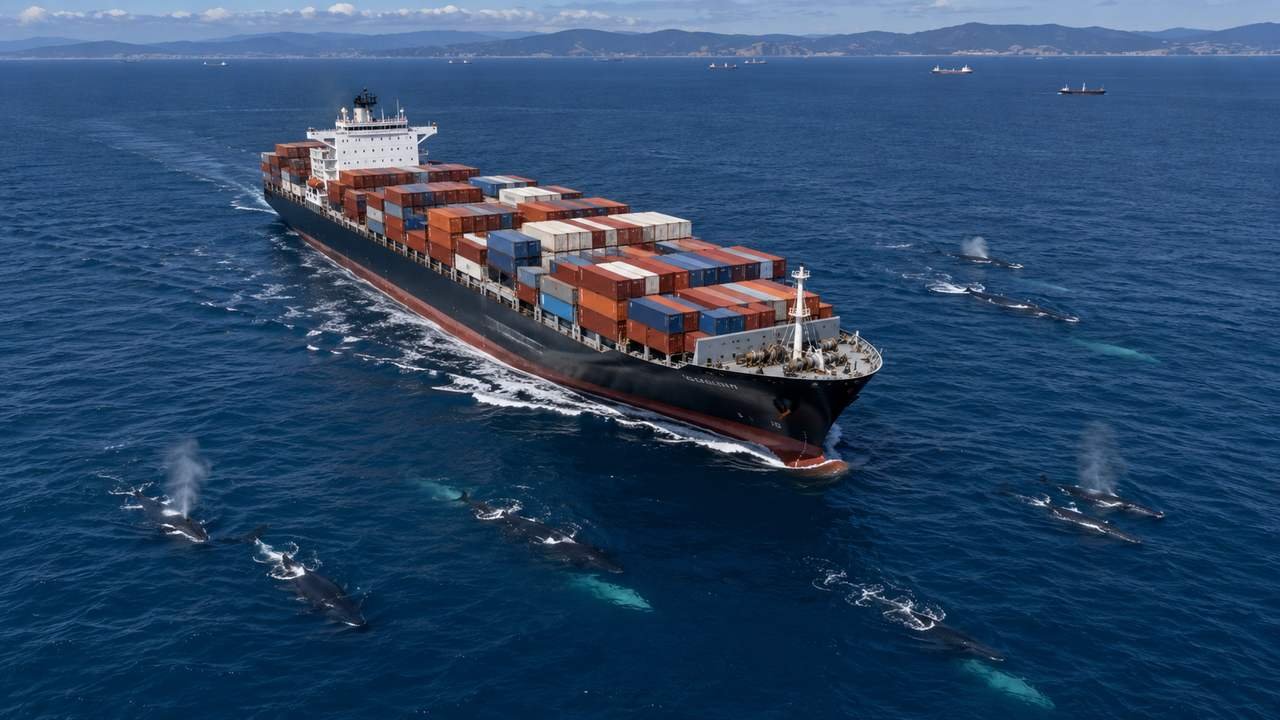
Here’s where things get more interesting, and more frustrating.This is one of the clearest answers to why are whales endangered today, because modern shipping continues to put whales in danger even though commercial whaling has declined. One of the biggest dangers whales face today has nothing to do with hunting at all.
Large commercial vessels regularly travel through the same waters whales use to feed, migrate, and raise their young. When a fast-moving ship collides with a whale, the impact is often fatal. Marine biologists believe the true number of ship strikes is significantly higher than what gets officially recorded, since injured or killed whales frequently sink before anyone spots them.
Blue whales, fin whales, humpback whales, and gray whales are among the species most affected by this issue. Busy shipping corridors near major ports, including routes off the California coast and near Sri Lanka, see particularly high numbers of these collisions.
💡 Did You Know?
Some conservation groups estimate documented ship strike numbers along parts of the U.S. West Coast may represent only a small fraction of the true total, since most whale carcasses never wash ashore or get recorded.
Entanglement in Fishing Gear
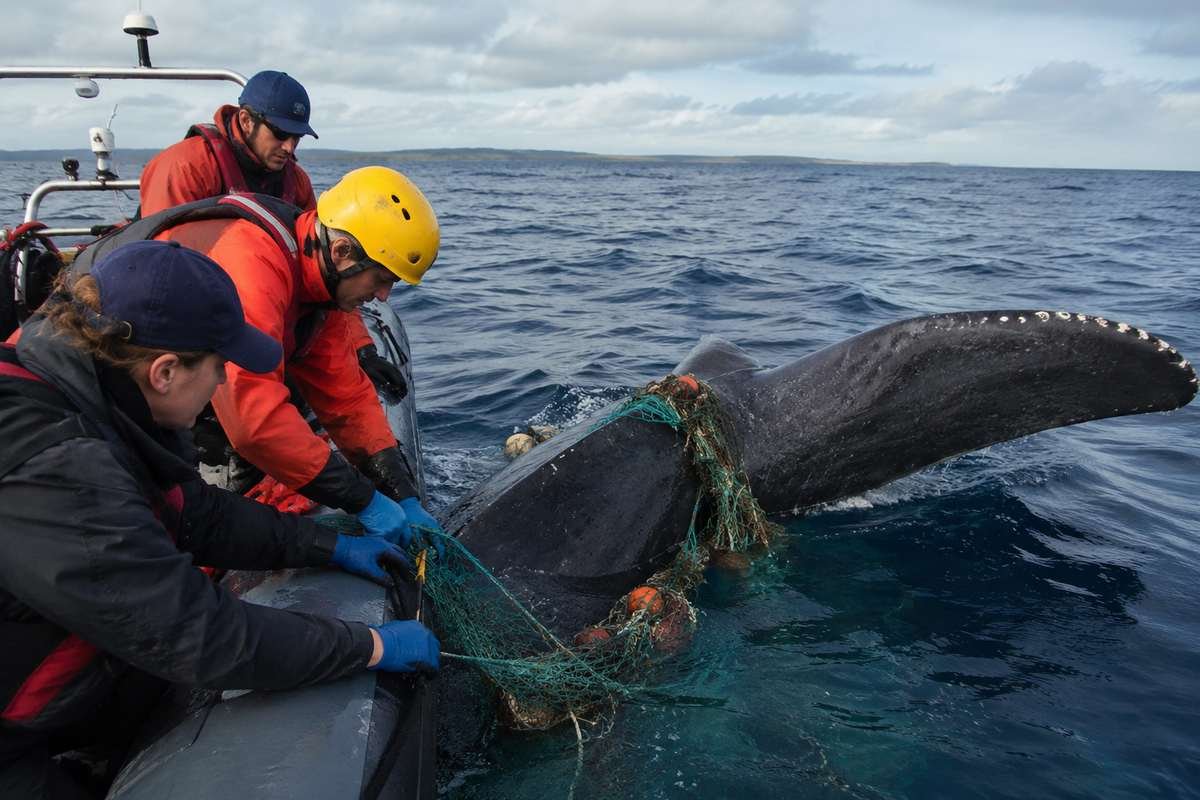
Ship strikes explain part of the picture, but they don’t explain everything. Fishing gear is just as dangerous, if not more so, for many whale populations.
Ropes, nets, and lines used in commercial fishing operations can wrap around a whale’s body, fins, or tail. Once entangled, a whale may drag heavy gear for months or even years, which can cause exhaustion, deep wounds, infections, and eventually death. Younger, smaller whales are especially vulnerable, since they have less strength to break free.
This threat matters enormously for the North Atlantic right whale in particular. As this species migrates over a thousand miles along the eastern United States each year, it repeatedly crosses through waters filled with commercial fishing lines, making entanglement one of the primary reasons the population has struggled to recover.
Read This How Long Do Whales Live? Lifespan by Species (Full Guide)
How Climate Change Is Reshaping Whale Survival
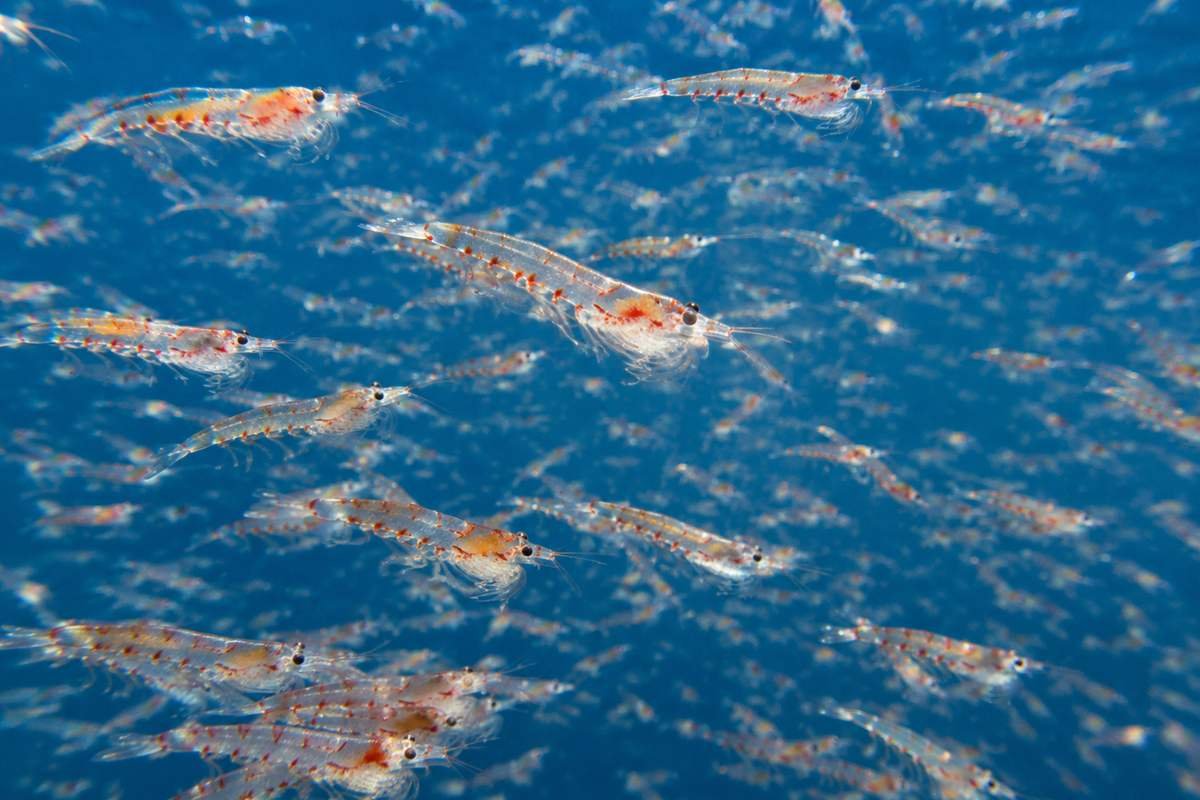
Warming oceans don’t just raise water temperature, they quietly rearrange the entire food web whales depend on.
Krill, small fish, and other prey species tend to follow specific temperature ranges and ocean currents. As those conditions shift, prey populations move to new areas or decline altogether. Blue whales, which rely heavily on krill, are already being forced to travel farther to find enough food, burning more energy in the process.
Climate change also affects ice coverage in polar regions, which matters directly for species like the bowhead whale that depend on specific Arctic conditions. Even whales that don’t live in polar waters are affected indirectly, since shifting ocean temperatures ripple through the entire marine food chain.
Ocean Noise Pollution and Its Hidden Cost
This is a threat most people never think about, largely because it’s invisible.
Whales rely on sound to communicate, navigate, and locate food across vast distances. Ship engines, sonar systems, and industrial activity like seismic surveys for oil and gas exploration have dramatically increased background noise levels in the ocean over the past several decades. That constant noise can drown out the calls whales use to find mates, coordinate with their pods, or locate their calves.
Some researchers describe today’s oceans as significantly noisier than they were just a few generations ago. For animals that depend on sound the way humans depend on sight, that shift has real consequences.
Why Whale Populations Recover So Slowly
Even when threats are reduced, whale populations don’t rebound quickly. Understanding why explains a lot about the endangered status many species still carry.
Most whales don’t reach sexual maturity until they’re between five and ten years old. After that, many species only give birth to a single calf every two or three years, and calves face significant risks in their first year of life. Compare that to a species with faster reproduction, and it becomes clear why whale populations take decades, not years, to recover from serious declines.
This slow recovery is another important part of understanding why are whales endangered, especially for species that already have very small populations.
Read This Why Do Whales Breach? The Leading Theories Explained
Which Whale Species Are Most at Risk
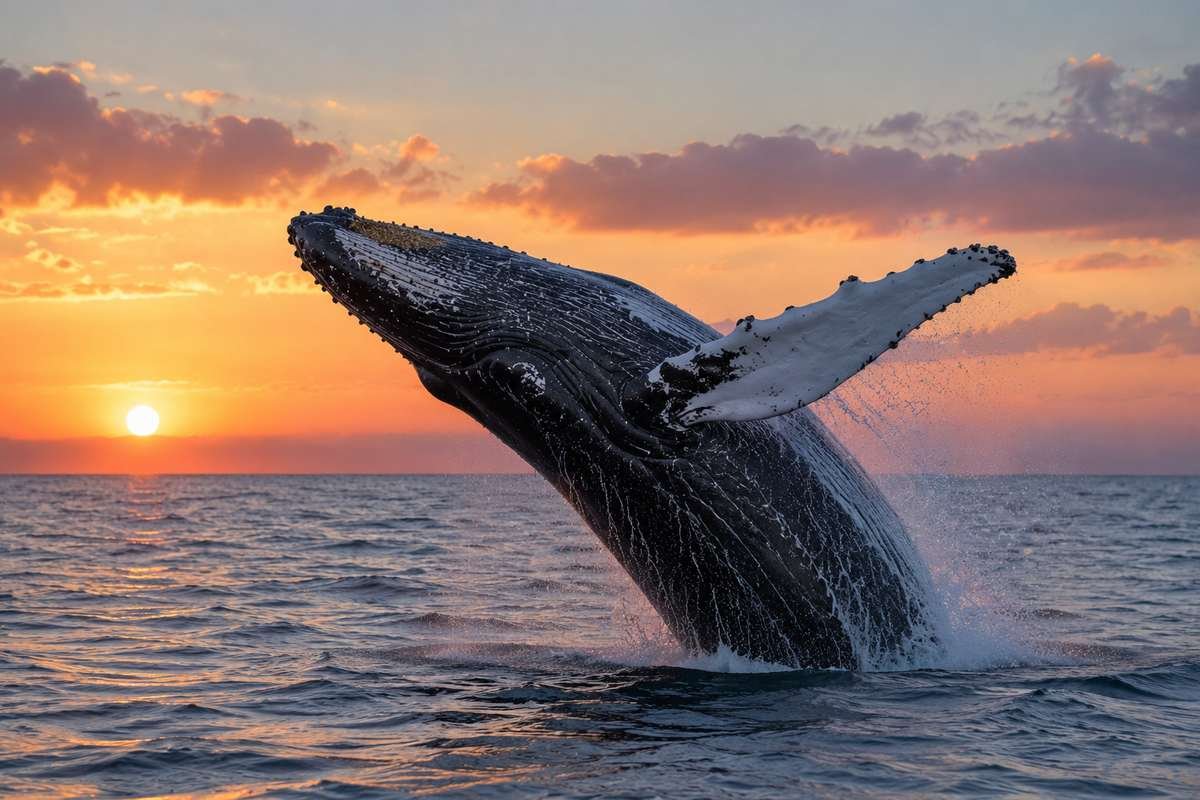
Not every whale species faces the same level of danger, and that distinction matters.
According to the IUCN Red List, the primary global authority on species conservation status, whale species fall into different risk categories:
- Rice’s whale – Critically Endangered, with an estimated population of only a few dozen individuals, found solely in the Gulf of Mexico
- North Atlantic right whale – Critically Endangered, with roughly a few hundred individuals remaining
- Blue whale – Endangered, despite being the largest animal to have ever existed
- Fin whale and sei whale – Endangered in parts of their range, though populations vary by region
- Humpback whale – Considered a conservation success story in many regions, with several populations no longer classified as endangered
That last point is worth sitting with. Not every whale story ends in decline. Humpback whales prove that recovery is genuinely possible when threats are reduced and protections are enforced consistently.
Comparison: Whale Species and Their Primary Threats
| Species | Conservation Status | Leading Threat |
|---|---|---|
| Rice’s Whale | Critically Endangered | Extremely small population, oil and gas activity |
| North Atlantic Right Whale | Critically Endangered | Entanglement, ship strikes |
| Blue Whale | Endangered | Ship strikes, declining krill populations |
| Fin Whale | Endangered (regional) | Ship strikes, historical whaling recovery |
| Humpback Whale | Least Concern (most populations) | Entanglement, localized recovery still ongoing |
Myth vs Fact
| Myth | Fact |
|---|---|
| Whaling is the only reason whales are endangered | Ship strikes, fishing gear, and climate change are now bigger threats for most species than active whaling |
| All whale species are endangered | Several species, including many humpback whale populations, have recovered and are no longer considered endangered |
| Whales are too big to be affected by human activity | Their size doesn’t protect them, it actually makes some threats, like slow reproduction, harder to recover from |
Quick Tips
✓ Support organizations that fund whale-safe fishing gear research and shipping lane adjustments
✓ Choose responsible, well-regulated whale watching tours that maintain safe distances
✓ Reduce seafood choices linked to high bycatch rates when possible
✓ Stay informed about local marine protected areas and support policies that reduce ship speeds in whale migration zones
Frequently Asked Questions
Are all whale species endangered?
Why whales are endangered varies by species, and not every whale faces the same level of risk. While the North Atlantic right whale and Rice’s whale are critically endangered, many humpback whale populations have recovered enough to no longer carry that classification, showing that conservation efforts can genuinely work over time.
What is the most endangered whale species?
The Rice’s whale, found exclusively in the Gulf of Mexico, is currently considered the most endangered whale species in the world, with an estimated population of only a few dozen individuals remaining in the wild.
Can whale populations recover if threats are reduced?
Yes, though recovery takes time due to whales’ slow reproductive rates. Humpback whales are a strong example of this, showing meaningful population growth in multiple regions since commercial whaling was banned and additional protections were introduced.
Does climate change really affect whales directly?
Yes, primarily by disrupting the availability of prey like krill and small fish. As ocean temperatures shift, whales must travel farther to find food, which increases energy demands and can affect reproduction and overall health, especially for species that already have small populations.
Conclusion
The threats facing whales today look nothing like the threats that nearly wiped them out a century ago, and that shift matters. Ship strikes, fishing gear, noise, and a warming ocean are quieter dangers than the harpoon ever was, but they’re just as capable of undoing decades of recovery. What gives this story its hope is that humpback whales already proved recovery is possible. The question now isn’t whether whales can bounce back. It’s whether we’ll reduce these newer threats quickly enough to let the rest of them do the same.
Related Article
Why Do Whales Breach? The Leading Theories Explained
How Long Do Whales Live? Lifespan by Species (Full Guide)

Ethan Carter is a nature enthusiast and educational writer at Wonderexplained. He creates well-researched articles about animals, oceans, weather, and the natural world, making complex topics easy to understand. His goal is to provide accurate, engaging, and reader-friendly content that inspires curiosity and lifelong learning.

5 thoughts on “Why Are Whales Endangered? The Real Reasons Explained”