

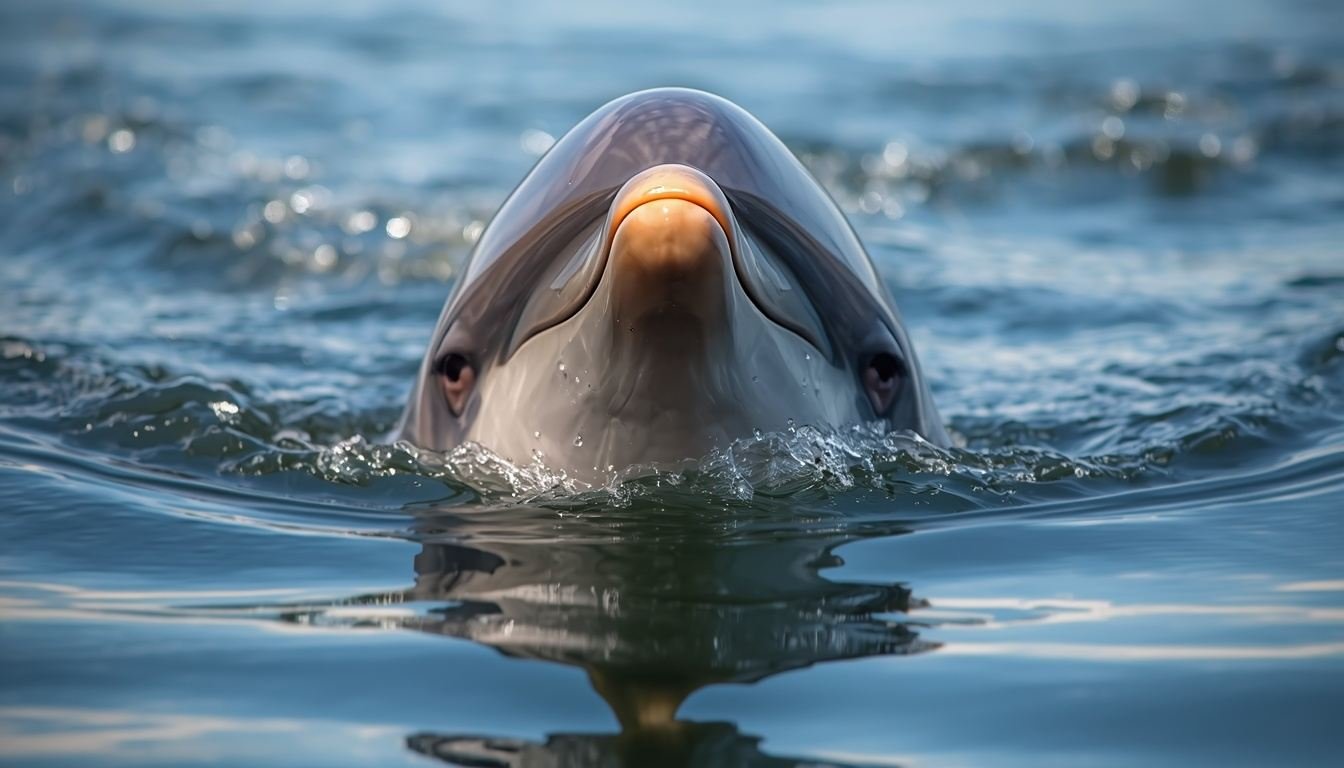
Dolphins are among the most recognizable marine mammals, known for their curved smiles, playful leaps, and complex social lives. There are more than 40 known dolphin species, ranging from the familiar bottlenose dolphin to the much larger orca, which is technically the largest member of the dolphin family.
These dolphin facts cover their anatomy, communication, hunting behavior, social structure, and conservation status, based on current scientific understanding of these highly social ocean mammals.
Quick Facts About Dolphins
- Classification: Marine mammals belonging to the family Delphinidae, part of the order Cetacea
- Number of species: More than 40 known dolphin species, found in oceans and some river systems worldwide
- Breathing: Dolphins are air-breathing mammals that must surface regularly and breathe through a blowhole
- Diet: Mostly fish and squid, with diet varying by species and region
- Social structure: Typically live in groups called pods
- Conservation status: Varies by species; some are stable, while others face significant population concerns
Read This Why Do Dolphins Jump Out of Water? 7 Scientific Reasons Explained
Anatomy and Physical Features
Dolphins Breathe Air Through a Blowhole
Unlike fish, dolphins are mammals and cannot breathe underwater. They surface periodically to exchange air through a single blowhole located on top of the head, which closes tightly when the animal dives to keep water out.
A Dolphin’s Body Is Built for Speed and Efficiency
Dolphins have streamlined, torpedo-shaped bodies, smooth skin, and a flexible tail fin called a fluke that powers them through water with strong up-and-down strokes, unlike the side-to-side motion fish use. Their pectoral fins and dorsal fin help with steering and stability.
Dolphins Can Sleep With Half Their Brain at a Time
Because dolphins must consciously choose to breathe and remain alert to threats, they rest using a pattern researchers call unihemispheric sleep, in which one half of the brain rests while the other stays active. This allows them to keep swimming, surfacing to breathe, and watching for predators even while resting.
Dolphin Size Varies Enormously Across Species
Species range from smaller dolphins just a few feet long to the orca, or killer whale, which is the largest member of the dolphin family and can grow considerably larger than most people expect given its common name.
Senses and Communication
Dolphins Use Echolocation to “See” With Sound
Dolphins produce rapid clicking sounds and interpret the returning echoes to detect the location, size, shape, and even some internal features of objects and prey around them. This ability, called echolocation, is especially useful in murky water or darkness where vision alone would not be enough.
Dolphins Communicate Using Whistles and Body Language
In addition to echolocation clicks, dolphins produce distinct whistles, along with body movements like breaching, tail slapping, and physical contact, to communicate with other pod members. Researchers have found that some dolphin species, including bottlenose dolphins, develop individually distinctive signature whistles that may function similarly to a name.
Dolphin Vision Is Adapted for Both Air and Water
Dolphins have good eyesight both above and below the surface, with eyes positioned to give them a wide field of view. This is thought to help them navigate, avoid predators, and track fast-moving prey.

Habitat and Range
Most Dolphins Live in Warm and Temperate Oceans
The majority of dolphin species are found in warm and temperate coastal and offshore waters around the world, though some species, like orcas, are also found in colder polar regions.
A Few Dolphin Species Live in Rivers
Unlike most dolphins, a small number of species, including the endangered Amazon river dolphin and the critically threatened South Asian river dolphin, live in freshwater rivers rather than the ocean. These river species face distinct conservation challenges tied to habitat degradation and human activity along waterways.
Dolphins Are Found in Nearly Every Ocean
With the wide distribution of different species, dolphins can be found in most of the world’s oceans, from tropical reefs to deeper offshore waters, though specific species have more limited ranges depending on temperature, prey availability, and habitat type.

Behavior and Social Life
Dolphins Typically Live in Social Groups Called Pods
Pod size and composition vary by species and region, ranging from small family groups to much larger aggregations, particularly when food is abundant. Group living is thought to offer benefits such as cooperative hunting and protection from predators.
Dolphins Sometimes Hunt Using Coordinated Strategies
Some dolphin populations have been observed using cooperative techniques, such as herding fish into tight groups or working together to trap prey against shorelines. Specific hunting strategies vary by species, region, and even individual pod, and some behaviors appear to be learned and passed between generations.
Play Behavior Is Common Among Dolphins
Dolphins are frequently observed engaging in play, including riding waves created by boats, tossing seaweed, and leaping from the water. While play is well documented, researchers are cautious about attributing specific human emotions to these behaviors, since the underlying motivations are difficult to confirm.
Read This 40+Shark Facts: Interesting Facts About Sharks[2026]
Reproduction and Calves
Dolphin Calves Stay Close to Their Mothers for Years
After birth, a dolphin calf typically remains closely associated with its mother for an extended period, often several years depending on the species, during which it nurses and learns essential skills like hunting and social behavior.
Female Dolphins Sometimes Help Other Mothers
In several species, other females within a pod have been observed assisting a mother during and after birth, a behavior sometimes referred to as babysitting or alloparental care. This social support is thought to help improve calf survival, though its extent varies across populations.
Survival and Adaptations
Dolphins Have Thick Blubber for Insulation
A layer of fat called blubber beneath a dolphin’s skin helps insulate the body and maintain a stable internal temperature in cold or variable water conditions, while also serving as an energy reserve.
Dolphins Must Consciously Control Their Breathing
Unlike humans, dolphins do not breathe automatically and must make a deliberate decision to surface and inhale. This is part of why unihemispheric sleep is essential, since a fully unconscious dolphin would be unable to breathe.
Some Dolphin Species Show Evidence of Tool Use
Certain bottlenose dolphin populations, notably in Shark Bay, Australia, have been observed carrying marine sponges on their snouts, apparently to protect against sharp or rough surfaces while foraging on the seafloor. This behavior is considered a rare example of tool use in marine mammals and appears to be culturally transmitted within specific groups rather than universal to the species.
Conservation
Conservation Status Varies Significantly by Species
Some dolphin species, such as the common bottlenose dolphin, are currently considered stable in many regions, while others, particularly certain river dolphins and the vaquita (a small porpoise sometimes confused with dolphins), face serious population declines and elevated extinction risk.
Bycatch Is a Major Threat to Many Dolphin Populations
Accidental entanglement in fishing gear, known as bycatch, is considered one of the most significant threats facing dolphins worldwide, affecting both coastal and offshore species. Conservation organizations continue to work on gear modifications and fishing practice changes to reduce these incidents.
Habitat Degradation Threatens River Dolphin Species
River dolphin populations face particular pressure from dam construction, pollution, and habitat fragmentation, contributing to their generally more precarious conservation status compared to many ocean-dwelling dolphin species.
Interesting and Lesser-Known Facts
Dolphins Have Been Observed Recognizing Themselves in Mirrors
Some studies involving species such as bottlenose dolphins have suggested a capacity for mirror self-recognition, a trait considered rare among animals and often associated with certain forms of self-awareness. Interpretation of these findings remains an area of ongoing scientific discussion.
The Name “Dolphin” Technically Includes Orcas
Despite being commonly called killer whales, orcas are classified as the largest species within the dolphin family, Delphinidae, making the popular “whale” name somewhat misleading from a strict taxonomic standpoint.
Dolphins Have Distinct Regional “Dialects”
Research on dolphin vocalizations has found that pods in different regions can develop distinct patterns in their calls, sometimes described informally as dialects. Scientists continue to study how these vocal differences develop and are maintained across generations.
Read This Why Do Sharks Have So Many Teeth? 3000+ Teeth Secret Revealed [2026]
Frequently Asked Questions
How do dolphins communicate?
Dolphins communicate using clicks for echolocation, distinct whistles, and physical behaviors like breaching or tail slapping. Some species develop individually distinctive signature whistles used within their pod.
What do dolphins eat?
Most dolphins eat fish and squid, though specific prey depends on species, region, and habitat. Larger species like orcas may also prey on marine mammals and other larger animals.
How long do dolphins live?
Lifespan varies by species, with many living several decades in the wild, though exact figures depend on factors like species, environment, and threats such as bycatch or habitat loss.
Do dolphins sleep?
Yes, but not the way humans do. Dolphins rest one half of their brain at a time, a pattern called unihemispheric sleep, which allows them to keep breathing and stay alert while resting.
Are dolphin facts endangered?
It depends on the species. Some, like the common bottlenose dolphin, are considered stable in many areas, while others, including several river dolphin species, face serious conservation concerns.
Conclusion
Dolphins are far more complex than their playful public image suggests, with sophisticated echolocation abilities, distinct communication patterns, and social structures that support cooperative hunting and calf-rearing. Their unique unihemispheric sleep and documented tool use in some populations highlight just how specialized marine mammal adaptations can become. At the same time, conservation status varies widely across the more than 40 dolphin species, with river dolphins and bycatch-affected populations facing the greatest ongoing threats.

Ethan Carter is a nature enthusiast and educational writer at Wonderexplained. He creates well-researched articles about animals, oceans, weather, and the natural world, making complex topics easy to understand. His goal is to provide accurate, engaging, and reader-friendly content that inspires curiosity and lifelong learning.

1 thought on “30+Dolphin Facts: Interesting Facts About Dolphins[2026]”