

Elephants are the largest living land animals, known for their trunks, tusks, and remarkably close family bonds. There are three recognized elephant species: the African savanna elephant, the African forest elephant, and the Asian elephant, each with distinct physical traits and habitats.
These elephant facts cover their anatomy, social behavior, communication, and conservation status, based on current scientific understanding of these highly intelligent and social animals.
Quick Facts About Elephants
- Species: African savanna elephant, African forest elephant, and Asian elephant
- Habitat: African savannas and forests, and forests and grasslands across South and Southeast Asia
- Diet: Herbivore; grasses, bark, roots, and fruit, with diet varying by season and habitat
- Social structure: Females and calves typically live in matriarch-led herds; adult males are often more solitary or form loose bachelor groups
- Lifespan: Often cited as several decades in the wild, though this varies by species, environment, and threats
- Conservation status: African elephants are listed by the IUCN with differing statuses for the savanna and forest species, and the Asian elephant is listed as Endangered
Anatomy and Physical Features
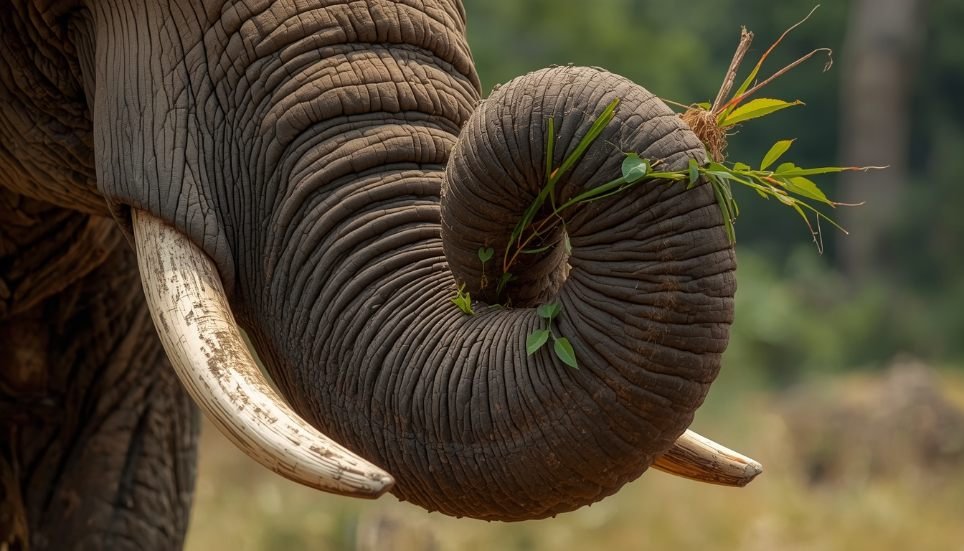
An Elephant’s Trunk Has Thousands of Muscles
The trunk is a fusion of the nose and upper lip, containing no bones and an enormous number of muscles, which gives it remarkable flexibility and strength. Elephants use their trunks to breathe, smell, drink, grasp food, greet other elephants, and even lift surprisingly heavy objects.
Tusks Are Enlarged Incisor Teeth
Tusks are actually elongated incisor teeth made of dentine, and elephants generally use them for digging, stripping bark, and defense. Not all elephants grow large tusks; in some populations, tusklessness has become more common, an outcome linked in some research to past hunting pressure that favored tuskless individuals.
Elephant Ears Help Regulate Body Temperature
Elephant ears are filled with blood vessels, and flapping them helps release excess body heat in warm climates. African elephants generally have notably larger ears than Asian elephants, which is one of several physical differences used to help tell the species apart.
Elephants Are the Largest Living Land Animals
Adult elephants, particularly the African savanna elephant, are the largest land animals alive today, with African elephants typically larger than Asian elephants. Exact size varies considerably by individual, sex, and population, so specific weight and height figures should be treated as general ranges rather than fixed numbers.
Habitat and Range
African Elephants Live Across Two Main Habitat Types
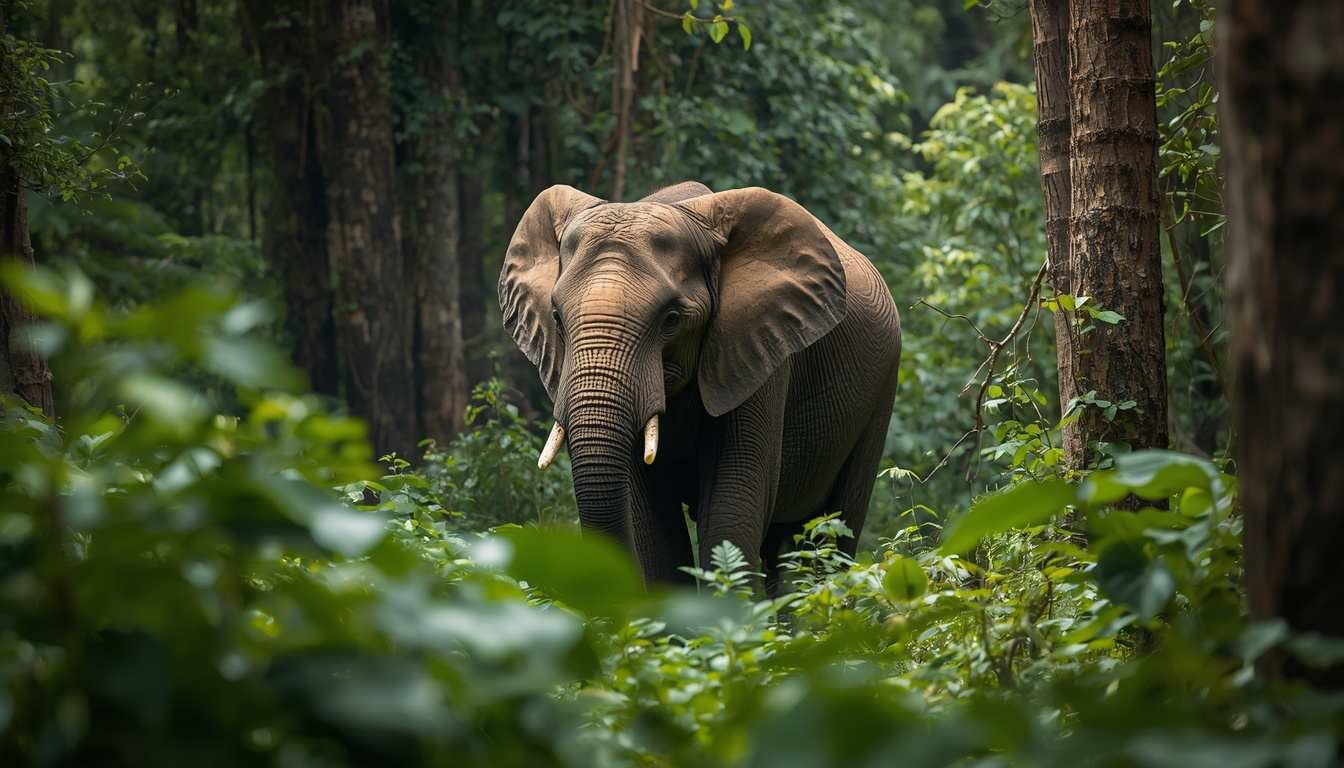
The African savanna elephant is found in grasslands, savannas, and open woodlands across sub-Saharan Africa, while the African forest elephant inhabits dense rainforests in Central and West Africa. These two species were formally recognized as genetically distinct relatively recently, reflecting differences in body size, tusk shape, and habitat.
Asian Elephants Live Across a Wide but Fragmented Range
Asian elephants are found in scattered populations across South and Southeast Asia, including India, Sri Lanka, and parts of Southeast Asia, typically in forests and grasslands. Habitat fragmentation has increasingly separated many Asian elephant populations from one another.
Elephants Need Large Territories to Find Enough Food
Because of their size and high daily food intake, elephants often require extensive home ranges to find sufficient vegetation and water, particularly in drier regions where resources are seasonal. This need for space is a central factor in many human-elephant conflict situations as habitats shrink.
Diet and Feeding Behavior
Elephants Are Herbivores With Large Daily Food Needs
Elephants feed on a wide variety of plant material, including grasses, leaves, bark, roots, and fruit, and they can spend a large portion of each day feeding to meet their substantial energy needs. Specific diet composition shifts with the seasons and available vegetation.
Elephants Play an Important Role in Shaping Their Ecosystems
By pulling down trees, stripping bark, and dispersing seeds through their dung over long distances, elephants influence plant growth patterns and help maintain habitat diversity. This ecological role has led some researchers to describe elephants as a keystone species in the environments where they live.
Elephants Drink Large Amounts of Water When Available
Elephants use their trunks to draw up water and either drink it directly or spray it into their mouths. They also use their trunks to spray water and mud over their bodies, which helps with cooling and can offer some protection from sun and insects.
Read This 40+Lion Facts: Interesting Facts About Lions[2026]
Behavior and Social Life
Elephant Herds Are Typically Led by a Matriarch
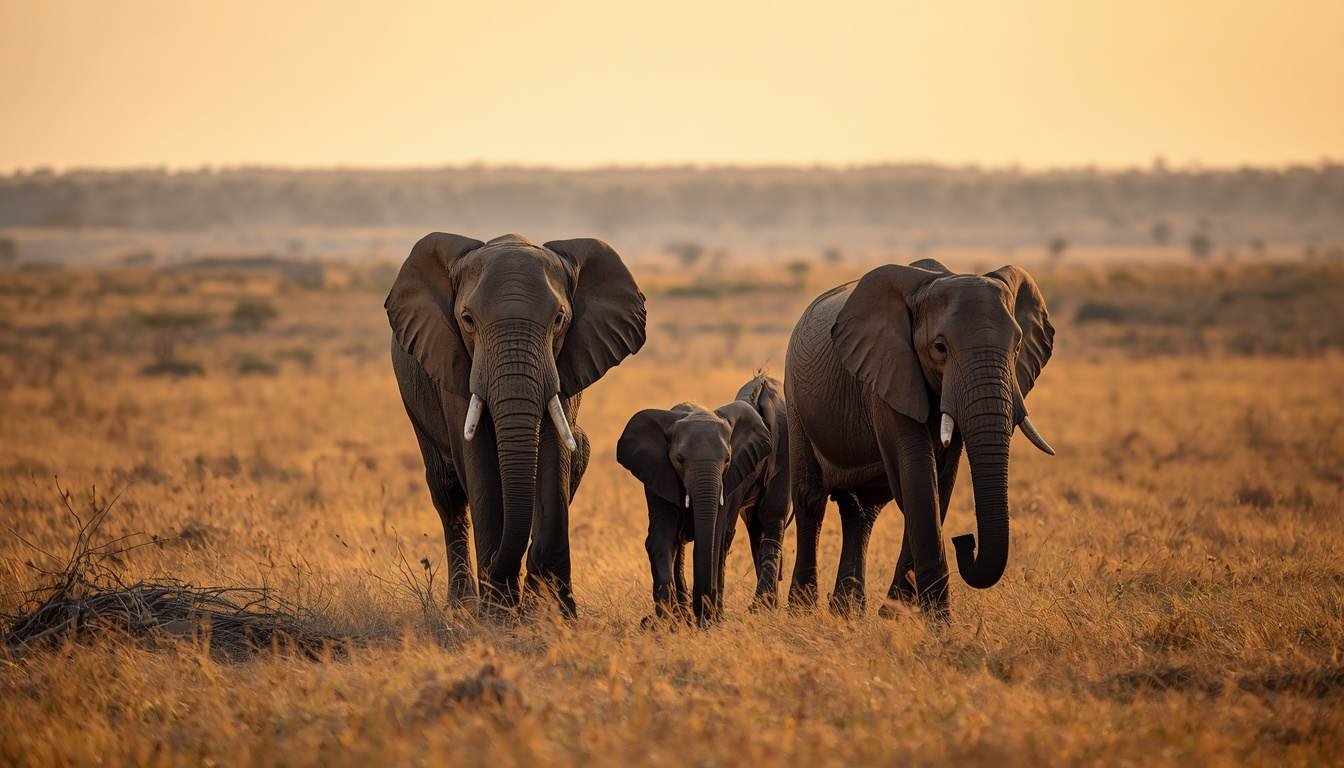
Female elephants and their young usually live in family groups led by an older, experienced female called the matriarch, who plays a key role in guiding the group to food, water, and safety. Herd size and composition can vary depending on environmental conditions and resource availability.
Adult Male Elephants Often Live More Independently
As male elephants mature, they typically leave their natal herd and become more solitary or associate loosely with other males in bachelor groups, rather than remaining with the matriarchal family unit.
Elephants Show Behaviors Associated With Grief and Social Bonding
Elephants have been observed investigating and remaining near the remains of deceased herd members, behavior that researchers have documented across multiple populations. While these behaviors suggest strong social bonds, scientists are cautious about directly equating them with human grief, since the internal emotional experience of elephants cannot be directly measured.
Communication and Senses
Elephants Communicate Using Sounds Below Human Hearing
In addition to trumpeting and other audible sounds, elephants produce low-frequency rumbles known as infrasound, which can travel considerable distances and are largely below the range of human hearing. Researchers believe these calls help coordinate movement and maintain contact between separated herd members.
Elephants Have an Exceptional Sense of Smell
Elephants rely heavily on smell, using their trunks to detect food, water sources, and other elephants from a distance. Their olfactory abilities are considered highly developed compared to many other large mammals, though comparing “best” senses across species is difficult to quantify precisely.
Elephants Can Detect Vibrations Through the Ground
Some research suggests elephants may sense vibrations transmitted through the ground, potentially picking up signals from the calls or movements of other elephants over considerable distances. This ability is an active area of ongoing scientific study.
Read This 40+Tiger Facts: Interesting Facts About Tigers[2026]
Reproduction and Calves
Elephants Have One of the Longest Pregnancies of Any Mammal
Elephant gestation typically lasts around 22 months, among the longest of any land mammal, which is thought to be related to the significant brain and body development a calf needs before birth.
Elephant Calves Are Cared for by the Whole Herd
Beyond the mother, other females in the herd often participate in caring for and protecting young calves, a behavior known as allomothering. This shared caregiving is thought to support calf survival and help young elephants learn social behaviors from multiple adults.
Young Elephants Rely on Their Trunks Early But Take Time to Master Them
Calves are born with limited control over their trunks and spend their early months learning to use them effectively for feeding, drinking, and social interaction, often through observation and practice.
Conservation
African and Asian Elephants Face Different Conservation Challenges
The IUCN separately assesses the African savanna elephant, African forest elephant, and Asian elephant, with statuses that reflect differing population trends and threats across their ranges. Because assessments and population figures are periodically updated, current status should be checked against the latest IUCN listings.
Habitat Loss and Human-Elephant Conflict Are Ongoing Threats
As agricultural land and human settlements expand into elephant range, conflicts over crops and land use have increased in many regions, sometimes resulting in harm to both people and elephants. Conservation organizations work on strategies such as early-warning systems and barriers designed to reduce these conflicts.
Poaching for Ivory Remains a Significant Concern
Illegal poaching for ivory has historically caused major population declines, particularly in African elephant populations, and continues to be monitored by international conservation and law enforcement efforts, though the scale of the threat varies by region and over time.
Read This Why Do Elephants Have Big Ears? 7 Fascinating Science Facts [2026]
Interesting and Lesser-Known Facts
Elephants Can Recognize Themselves in Mirrors
Some studies, including notable research on Asian elephants, have suggested a capacity for mirror self-recognition, a trait documented in relatively few animal species and often discussed in relation to certain forms of self-awareness. As with similar findings in other species, interpretation of these results remains an area of scientific discussion.
Elephants Use Tools in Simple but Purposeful Ways
Elephants have been observed using branches to swat insects or scratch hard-to-reach areas, and in some cases modifying objects slightly for a specific purpose. This behavior is considered a form of tool use, distinct from more complex tool-making seen in a small number of other species.
Elephant Skin Is Thick but Surprisingly Sensitive
Despite being quite thick in most areas, elephant skin contains numerous nerve endings and is sensitive enough to detect insects landing on it, which is part of why elephants frequently use their trunks and tails to swat away pests.
Frequently Asked Questions
What do elephants eat?
Elephants are herbivores that eat grasses, leaves, bark, roots, and fruit, with the exact diet depending on their habitat and the season. They spend much of the day feeding due to their large size and energy needs.
How long do elephants live?
Lifespan varies by species and environment, with wild elephants often living several decades, though exact figures depend on factors like habitat quality, human conflict, and access to resources.
How long are elephants pregnant?
Elephant gestation lasts around 22 months, one of the longest pregnancies of any mammal, reflecting the significant development a calf undergoes before birth.
Are elephant facts endangered?
It depends on the species. The IUCN assesses the African savanna elephant, African forest elephant, and Asian elephant separately, and their conservation statuses differ, so it’s best to check current listings for the most accurate picture.
Do elephants live in herds?
Yes, typically. Female elephants and their calves usually live in matriarch-led family herds, while adult males often become more solitary or form loose bachelor groups as they mature.
Conclusion
Elephants combine enormous size with remarkably complex social lives, from matriarch-led herds to communication that extends beyond human hearing. Their trunks, tusks, and long pregnancies reflect deep evolutionary specialization, while behaviors like allomothering and apparent responses to deceased herd members point to strong social bonds. At the same time, habitat loss, human-elephant conflict, and poaching continue to shape the conservation outlook differently across the three recognized elephant species.

Ethan Carter is a nature enthusiast and educational writer at Wonderexplained. He creates well-researched articles about animals, oceans, weather, and the natural world, making complex topics easy to understand. His goal is to provide accurate, engaging, and reader-friendly content that inspires curiosity and lifelong learning.

1 thought on “40+Elephant Facts: Interesting Facts About Elephants[2026]”