

Giant pandas are among the most recognizable animals on Earth, known for their black-and-white coats and their near-total reliance on bamboo. Despite eating a plant-heavy diet, they are classified as bears and still have the digestive system of a carnivore.
These panda facts cover their anatomy, diet, habitat, behavior, cubs, and conservation status, based on current scientific understanding. Most of the article focuses on the giant panda. The red panda, a very different animal, gets its own note near the end.
Quick Facts About Pandas
- Scientific name: Ailuropoda melanoleuca
- Classification: A bear (family Ursidae), not a raccoon or a relative of the red panda
- Habitat: Temperate mountain forests with bamboo in central China, mainly Sichuan, Shaanxi, and Gansu provinces
- Diet: Primarily bamboo, with occasional other plants and small animals
- Social structure: Mostly solitary as adults
- Conservation status: Listed as Vulnerable by the IUCN, after being reclassified from Endangered in 2016
Read This 40+Lion Facts: Interesting Facts About Lions[2026]
Anatomy and Physical Features
Pandas Are Bears With a Distinctive Coat
Genetic studies place the giant panda firmly within the bear family. Its bold black-and-white pattern is unusual among bears, and scientists are still studying why it evolved. Research has suggested the pattern may serve different purposes for different body parts, such as camouflage in snow and shade, and communication between pandas.
Pandas Have a Special Wrist Bone That Helps Them Grip
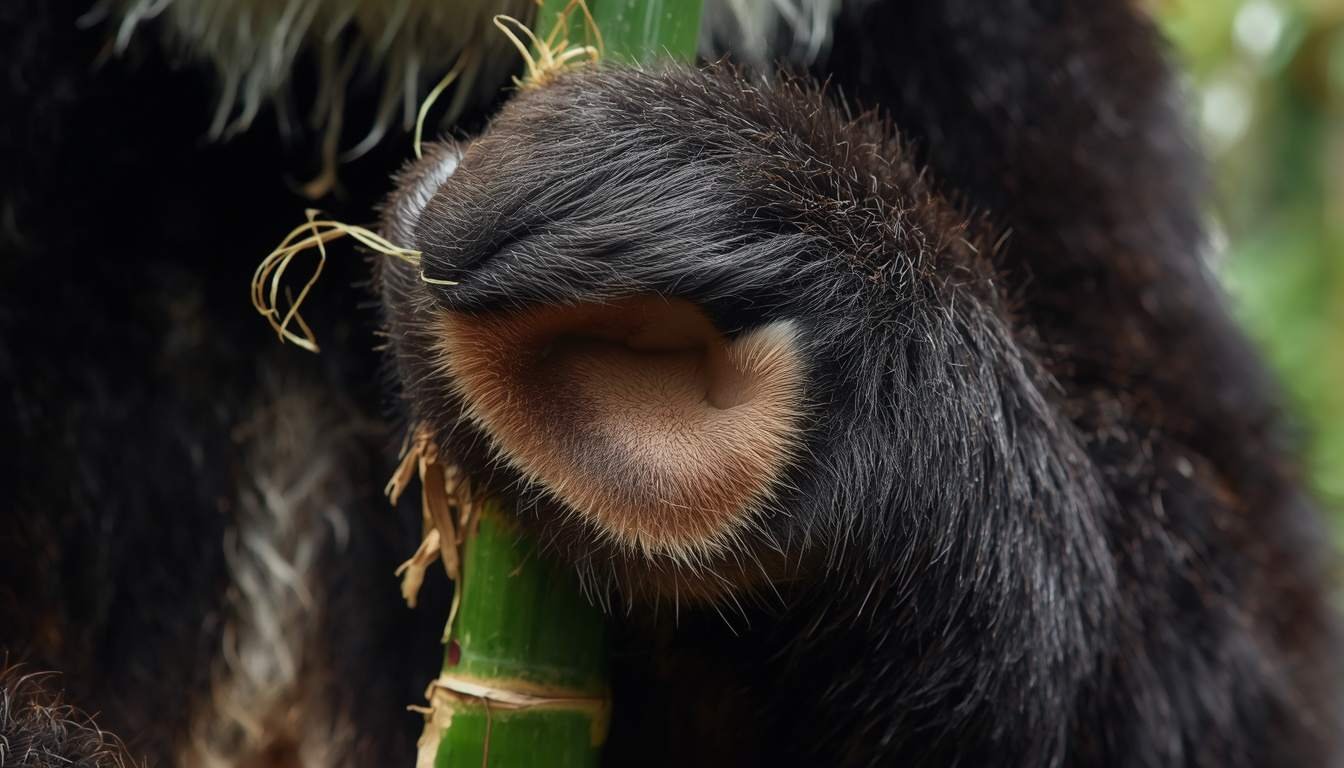
Pandas have an enlarged wrist bone that works somewhat like a thumb, helping them hold bamboo stalks. It is not a true thumb. It is an extension of a wrist bone that has adapted to give them a strong grip.
Powerful Jaws and Teeth Handle Tough Bamboo
Giant pandas have large, flat molars and strong jaw muscles suited to crushing tough plant material. The bulky look of a panda’s face is partly due to these muscles.
Pandas Have a Digestive System Better Suited to Meat
Pandas have a short, simple gut like other bears and lack the specialized stomach chambers that many plant-eating animals use to break down plant fiber. Gut microbes may help with digestion, though how much they contribute is still being studied. Pandas therefore absorb relatively little of the nutrition in bamboo.
Diet and Feeding Behavior
Bamboo Makes Up Most of a Panda’s Diet
Bamboo is the main food of wild giant pandas, though they may also eat other plants and occasionally small animals or carrion. Because bamboo is low in nutrients, pandas need to eat very large quantities, often for many hours each day.
Pandas Feed on Different Parts of Bamboo Through the Year
Wild pandas commonly shift between bamboo species and plant parts, such as shoots, leaves, and culms (stems), depending on the season and what is available. Some populations also move to different elevations as bamboo growth changes through the year.
Pandas Are Adapted to Save Energy
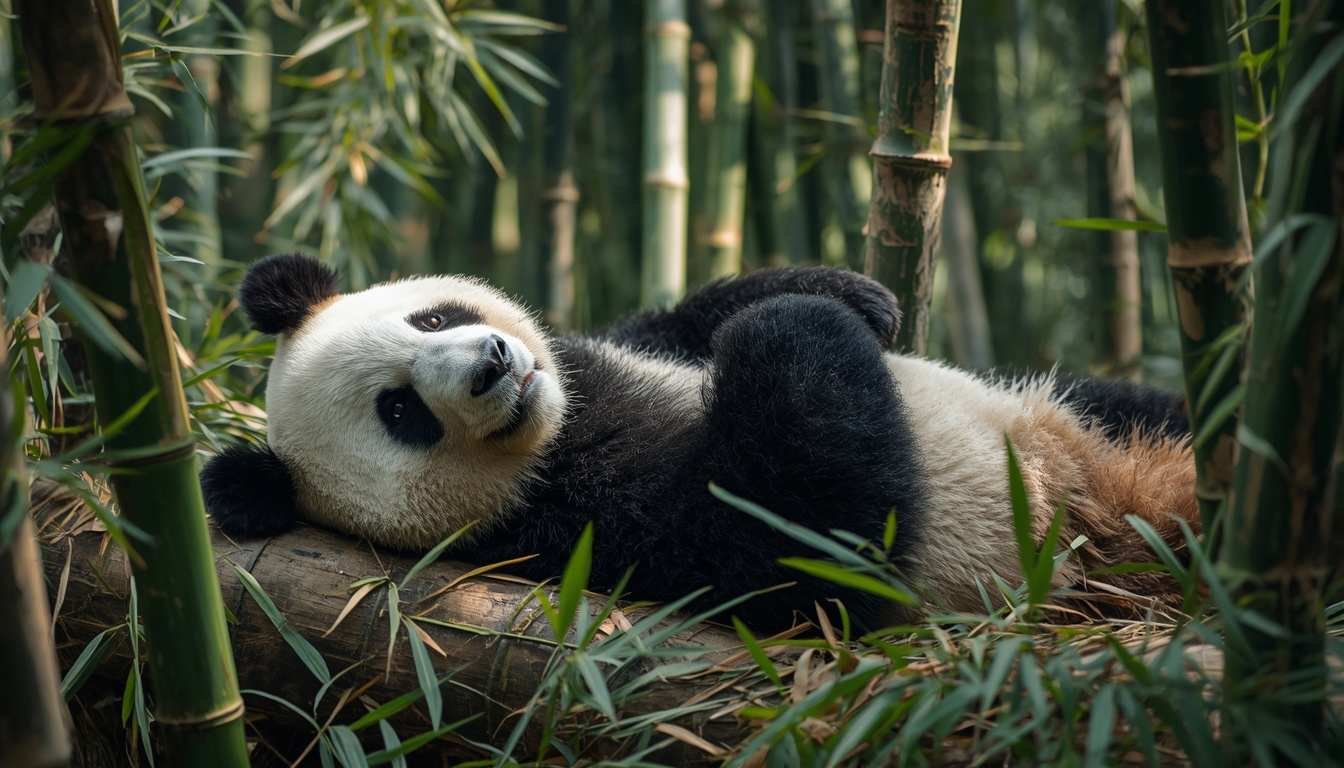
Because bamboo provides limited energy, pandas move relatively slowly and spend much of their time feeding or resting. Research on their metabolism has found that giant pandas expend less energy than would be expected for an animal of their size, which is thought to help them survive on a low-quality diet.
Habitat and Range
Wild Pandas Live in a Small Part of Central China
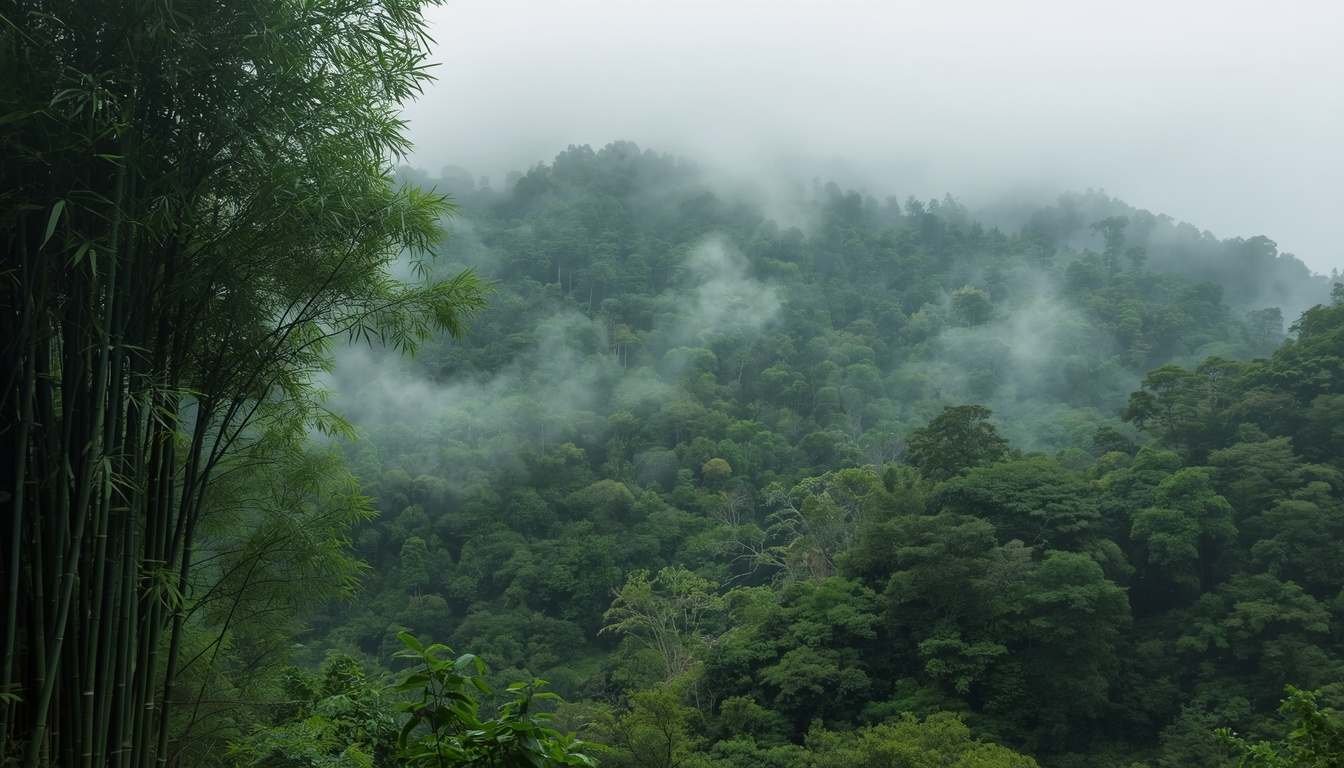
Giant pandas today are found only in the wild in a few mountain ranges in central China, in cool, moist forests that contain dense bamboo. Historically their range was much larger.
Habitat Fragmentation Divides Panda Populations
Roads, farmland, and other development have split panda habitat into smaller patches, which can isolate groups from one another. Conservation efforts include creating protected areas and forest corridors to reconnect these patches.
Bamboo Die-Offs Can Affect Pandas
Many bamboo species flower and die back on long cycles, sometimes over several decades. Because pandas depend on bamboo, habitat with only one or two species is more vulnerable, which is why access to a variety of bamboo species matters.
Read This 40+Tiger Facts: Interesting Facts About Tigers[2026]
Behavior and Communication
Adult Pandas Mostly Live Alone
Outside the breeding season, adult giant pandas are generally solitary and maintain home ranges that may overlap. Individuals largely avoid direct contact with each other.
Pandas Use Scent Marking to Communicate
Pandas use scent glands and marks on trees and rocks to leave information for other pandas. Research suggests these marks can convey details about identity and reproductive condition, though scientists are still learning about exactly what they communicate.
Pandas Make a Range of Vocal Sounds
Pandas produce a variety of sounds, including bleats, honks, chirps, and roars. Mothers and cubs use vocalizations to stay in contact, and some sounds are associated with mating or defense.
Reproduction and Cubs
Panda Cubs Are Born Tiny and Helpless
Panda cubs are extremely small at birth compared with their mothers, roughly the size of a stick of butter as often described, and they are born pink, mostly hairless, and with eyes closed. Weights and sizes vary, so these descriptions are general.
Panda Mothers Usually Care for Cubs Alone
Female pandas raise their cubs without help from males. A cub typically stays with its mother for well over a year, learning how to find and eat bamboo before becoming independent.
Pandas Have a Very Short Breeding Window
Female pandas are fertile for only a brief period each year, generally in spring, which can make breeding difficult in both the wild and in captivity. Delayed implantation may also make the timing of pregnancy and birth variable.
Conservation
Panda Conservation Is Considered a Major Success Story, With Caution
The IUCN moved the giant panda from Endangered to Vulnerable in 2016 after surveys indicated population growth in the wild, and China has reported continued improvement since then. Conservationists caution that the species still depends on protected habitat and that long-term threats remain. Population estimates come from surveys and vary by method, so figures should be verified against current sources.
Protected Areas and Habitat Restoration Have Helped
China has established a network of nature reserves for giant pandas and has worked on habitat restoration and reconnecting fragmented forests. National park planning aimed at protecting large areas of panda habitat is also part of these efforts.
Climate Change Could Affect Bamboo Habitat
Some studies project that changing temperatures and rainfall could alter where bamboo grows, potentially shrinking suitable panda habitat in the future. The extent of the impact depends on the climate scenario and is still being researched.
Read This Why Do Elephants Have Big Ears? 7 Fascinating Science Facts [2026]
Interesting and Lesser-Known Facts
Pandas Have Been Used in Conservation Diplomacy
China has long loaned pandas to zoos abroad, and these arrangements are commonly associated with research funding and conservation work. The specifics of loan agreements vary.
Breeding Programs Have Released Some Captive-Born Pandas
Captive breeding programs in China have produced many cubs, and a small number of captive-born pandas have been prepared for release into the wild. Releasing them is complex, and success has varied.
The Red Panda Is Not Closely Related to the Giant Panda
Red pandas share the “panda” name and a bamboo-heavy diet but belong to a separate family, Ailuridae. Their similarities are partly due to convergent evolution, not close kinship. Red pandas are also listed as Endangered by the IUCN.
Frequently Asked Questions
What do pandas eat?
Giant pandas mainly eat bamboo, which can make up most of their diet, along with occasional other plants and small animals. They spend many hours each day feeding because bamboo is low in nutrition.
Where do pandas live?
Wild giant pandas live in mountain forests in central China, including parts of Sichuan, Shaanxi, and Gansu provinces. Zoos around the world also house pandas, often as part of research and breeding cooperation with China.
How long do pandas live?
Wild pandas are generally thought to live somewhat shorter lives than captive ones. Pandas in human care can reach their twenties or beyond, but exact lifespans vary and wild figures are harder to measure.
Are panda facts endangered?
Giant pandas are currently listed as Vulnerable by the IUCN, an improvement from Endangered in 2016. The red panda, a separate species, is listed as Endangered.
Are pandas bears?
Yes. Giant pandas are true bears in the family Ursidae. Genetic evidence supports this, even though their diet and appearance are unusual for bears.
Conclusion
Giant pandas combine an unusual lifestyle with a well-documented conservation story. Their bamboo diet, wrist-bone grip, and energy-saving habits reveal how a bear can adapt to plant-based living, even with a meat-eating digestive system. Their recovery from Endangered to Vulnerable shows what protected habitat can achieve, but their future still depends on keeping forests connected and bamboo available.

Ethan Carter is a nature enthusiast and educational writer at Wonderexplained. He creates well-researched articles about animals, oceans, weather, and the natural world, making complex topics easy to understand. His goal is to provide accurate, engaging, and reader-friendly content that inspires curiosity and lifelong learning.

1 thought on “45+Panda Facts: Interesting Facts About Giant Pandas[2026]”