

A fox’s tail, often called a brush, is one of the most recognizable features of the animal, sometimes making up close to a third of its total body length. Anyone who has watched a fox trot across a field has probably noticed how much that thick, fluffy tail seems to be doing on its own. Why do foxes have bushy tails comes down to a combination of physical balance, cold-weather survival, and communication, all wrapped into one multipurpose body part. This article breaks down exactly what a fox’s tail does, why it evolved to be so full and fluffy, and whether every fox species shares the same fuzzy signature look.
Quick Answer
Foxes have bushy tails because the tail serves several survival functions at once. It acts as a counterbalance during sharp turns and jumps, provides insulation against cold temperatures when a fox curls up to sleep, and plays a role in scent-based communication through a specialized gland near the base of the tail. The dense fur itself is what allows the tail to trap warm air effectively, which is part of why fox tails look so full compared to many other mammals.
What Is a Fox’s Tail Used For?
A fox’s tail serves multiple overlapping purposes rather than just one. The tail supports balance and agility during fast movement, provides warmth in cold conditions by trapping air within its dense fur, and functions as a communication tool through both visual posture and scent marking.
Structurally, the tail is a direct extension of the fox’s spine, made up of a series of small vertebrae connected by muscles that give it a wide range of motion. This flexibility allows the tail to shift quickly in response to the fox’s movement, which is part of why it plays such an active physical role rather than simply trailing behind as a passive appendage.
Fox Tails for Balance
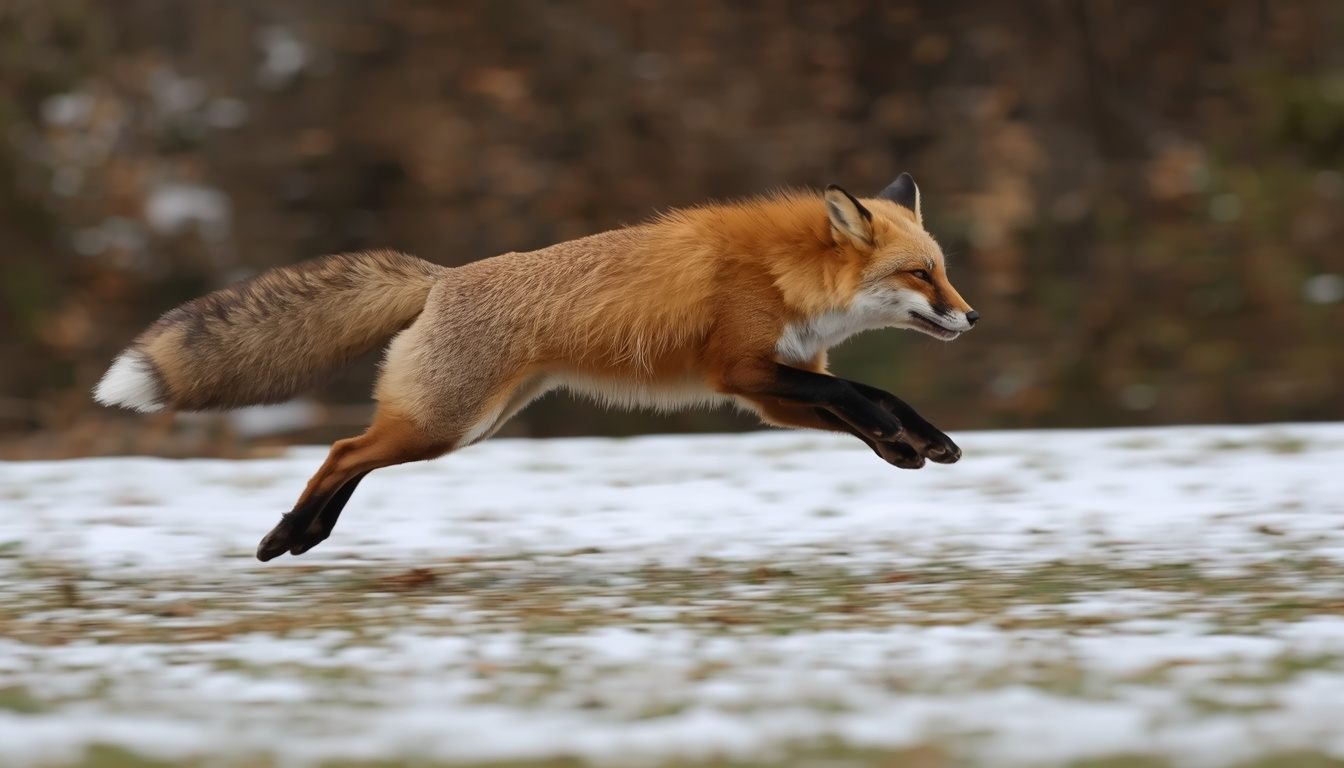
One of the most important physical functions of a fox’s tail is helping the animal maintain balance during fast, unpredictable movement. Foxes are known for sudden sharp turns while chasing prey or evading predators, and shifting the weight of a heavy, bushy tail helps counterbalance the rest of the body during these maneuvers.
This becomes especially clear when a fox performs its distinctive hunting pounce, sometimes called “mousing,” where it leaps high into the air before diving down onto prey hidden under grass or snow. During this jump, the tail can act somewhat like a rudder, helping the fox adjust its position mid-air so it lands accurately. The same balancing function helps foxes navigate uneven terrain, narrow ledges, or fallen logs without losing their footing.
Read This Why Can Owls Turn Their Heads So Far? The Science Behind Their Incredible Neck Rotation
Fox Tails for Warmth
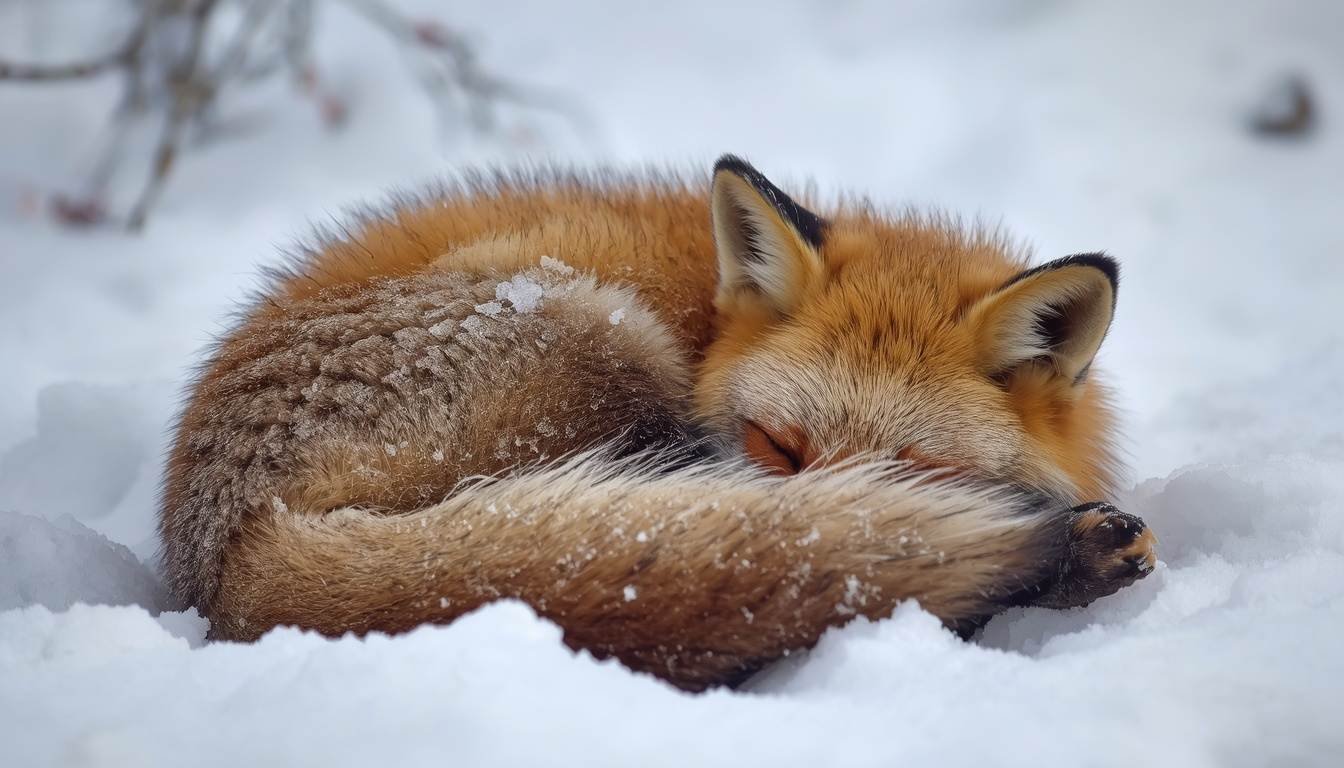
Beyond balance, a fox’s tail plays a significant role in helping the animal stay warm in cold conditions. The dense fur covering the tail traps pockets of air close to the skin, and this trapped air acts as insulation, similar to how a thick coat keeps a person warm.
When resting or sleeping in cold weather, foxes will often curl their bodies into a tight ball and wrap the tail around their face and paws, covering some of the areas most vulnerable to heat loss. This behavior is especially important for species living in colder climates, such as the Arctic fox, whose exceptionally thick, insulating fur helps it survive extreme winter temperatures.
Read This Why Do Elephants Have Big Ears? 7 Fascinating Science Facts [2026]
Fox Tails for Communication
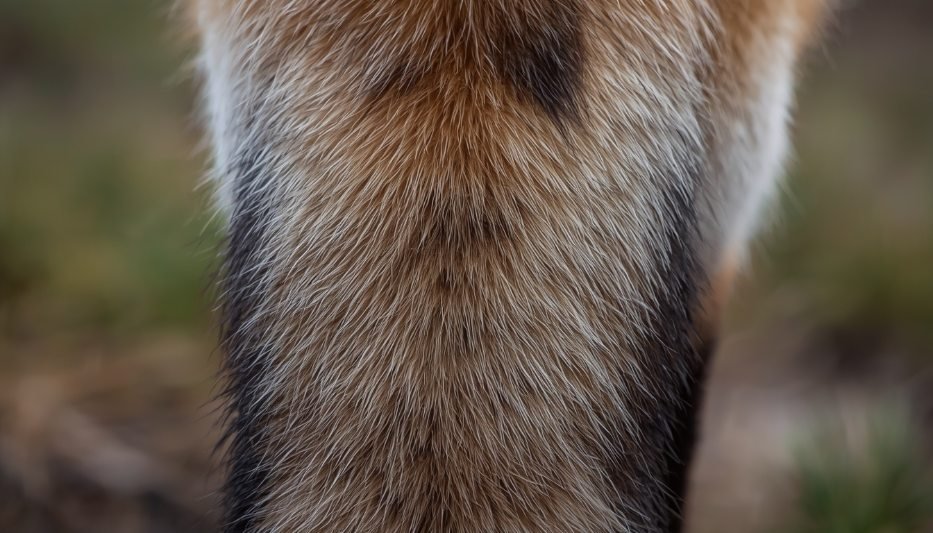
A fox’s tail also functions as a communication tool, both through visual signals and scent marking. Tail posture can convey information to other foxes, with a high, bushy tail generally signaling alertness or confidence, while a tail tucked low or between the legs can indicate submission or unease. These postural cues are part of a broader body language system foxes use alongside vocal sounds such as barks, yelps, and growls.
Scent communication comes from a specialized structure near the base of the tail known as the supracaudal gland, sometimes called the “violet gland” because of its faintly floral odor, first described in scientific literature centuries ago. This gland is found in red foxes and several other canid species, and research analyzing its secretions has identified aromatic compounds known as apocarotenoids as the source of that distinctive scent. The gland appears to become more active during the breeding season, and foxes are known to investigate this area on one another during social greetings, suggesting it carries information used for individual recognition within the population.
Why Are Fox Tails So Fluffy?
The fluffiness of a fox’s tail comes down to the density and length of the underlying fur, which is built to trap as much insulating air as possible. Fox fur in general includes both a soft, dense undercoat and longer, coarser guard hairs, and the tail typically carries an especially thick concentration of this fur compared to other parts of the body.
This heavy fur coverage serves the dual purpose of insulation and visual signaling described above, but it also gives the tail extra weight and surface area, which supports its role in physical balance during quick, athletic movements. In species adapted to particularly cold environments, this fur can become even denser during winter months as part of a seasonal coat change, making the tail appear noticeably fuller in colder seasons than in warmer ones.
Read This Why Do Cows Have Spots? The Science Behind Their Unique Patterns
Do All Foxes Have Bushy Tails?
Most fox species share the bushy tail as a defining feature of the group, though the exact size, density, and appearance of the tail varies somewhat by species and climate. The Arctic fox, adapted to extremely cold environments, has one of the fluffiest tails among fox species, supporting its role as an insulating wrap during frigid conditions.
Even fox species adapted to hot, arid environments retain a notably bushy tail. The fennec fox, native to the Sahara Desert, has a long, bushy, black-tipped tail relative to its small body size, according to the Smithsonian’s National Zoo, even though it lives in one of the hottest climates any fox species inhabits. This suggests that while the tail’s insulating properties are especially useful in cold climates, the tail’s other functions, including balance and communication, remain valuable across very different environments.
Can Foxes Control Their Tails?
Yes, foxes have voluntary control over their tail movements, using the muscles connected to the tail’s vertebrae to adjust its position deliberately rather than simply letting it hang passively. This control is what allows a fox to use its tail actively for balance during a jump or turn, rather than the tail simply reacting to momentum on its own.
This same voluntary control also supports the tail’s communication role, since deliberate postures, such as holding the tail high, low, or tucked, are used to convey specific social signals to other foxes. The combination of fine muscular control and dense fur is part of what makes the tail such a functionally active part of fox anatomy rather than a purely decorative feature.
Frequently Asked Qustions
What is a fox’s tail called?
A fox’s tail is commonly called a “brush,” a term used both by wildlife researchers and in traditional hunting terminology.
Why do foxes wrap their tails around themselves?
Foxes wrap their tails around their bodies, especially over the face and paws, to trap warm air and reduce heat loss while resting in cold conditions.
Does every fox species have a bushy tail?
Most fox species have a notably bushy tail, including species adapted to both cold environments, like the Arctic fox, and hot environments, like the fennec fox, though the exact fullness can vary by species.
What is the gland on a fox’s tail used for?
The gland near the base of a fox’s tail, known as the supracaudal or “violet” gland, produces a scent used for social communication and individual recognition among foxes.
Can a fox’s tail help it while hunting?
Yes, a fox’s tail can act as a counterbalance and stabilizer during its high hunting pounce, helping the fox adjust its position in the air before landing on prey.
Conclusion
A fox’s tail is far more than a fluffy finishing touch, serving as a working tool for balance, warmth, and communication all at once. From helping a fox stick a precise landing during a hunting pounce to keeping its nose warm on a freezing night, that bushy brush is doing real biological work every time it moves. The next time a fox trots by with its tail held high, it is quietly putting one of nature’s more versatile appendages to good use.

Ethan Carter is a nature enthusiast and educational writer at Wonderexplained. He creates well-researched articles about animals, oceans, weather, and the natural world, making complex topics easy to understand. His goal is to provide accurate, engaging, and reader-friendly content that inspires curiosity and lifelong learning.

2 thoughts on “Why Do Foxes Have Bushy Tails? The Reason Behind Their “Tails””