

A healthy coral reef can look like an underwater rainbow, with branches and boulders in shades of brown, green, pink, purple, and blue all growing side by side. Why do corals come in different colors actually comes down to two separate biological sources working together: a partnership with microscopic algae and a set of specialized proteins built into the coral’s own tissue. This article breaks down exactly what produces coral color, why some species look far more vivid than others, and what it means when a coral’s color fades to white.
Quick Answer
Coral color mainly comes from two sources. Most of a coral’s brownish, greenish, or golden base color comes from tiny symbiotic algae called zooxanthellae living inside its tissue, while brighter colors like blue, purple, red, and pink often come from separate pigment proteins the coral itself produces. When corals lose their algae due to stress, they turn white in a process called coral bleaching.
Quick Facts
- Most reef-building corals host microscopic algae called zooxanthellae, which live inside coral tissue and provide much of its base color.
- Zooxanthellae contain chlorophyll, the same green pigment found in plants, which contributes to many corals’ brownish or greenish tones.
- Some corals also produce pigment proteins similar to green fluorescent protein (GFP), which can create blue, purple, red, and pink coloring.
- Coral bleaching occurs when corals expel their zooxanthellae under stress, causing the coral to appear stark white.
- A white, bleached coral is not automatically dead, but according to NOAA, it is more vulnerable and may die if stressful conditions continue too long.
What Gives Coral Its Color?
A coral’s color comes from a combination of two very different biological sources rather than a single pigment. The first and most significant source is a type of microscopic algae, called zooxanthellae, that lives inside the coral’s own tissue in a close partnership with the coral animal. The second source is a set of pigment proteins that many corals produce themselves, independent of any algae.
Because these two color sources can vary in combination, concentration, and type from one coral colony to another, even corals of the same species can display noticeably different shades and intensities of color.
Coral and Algae
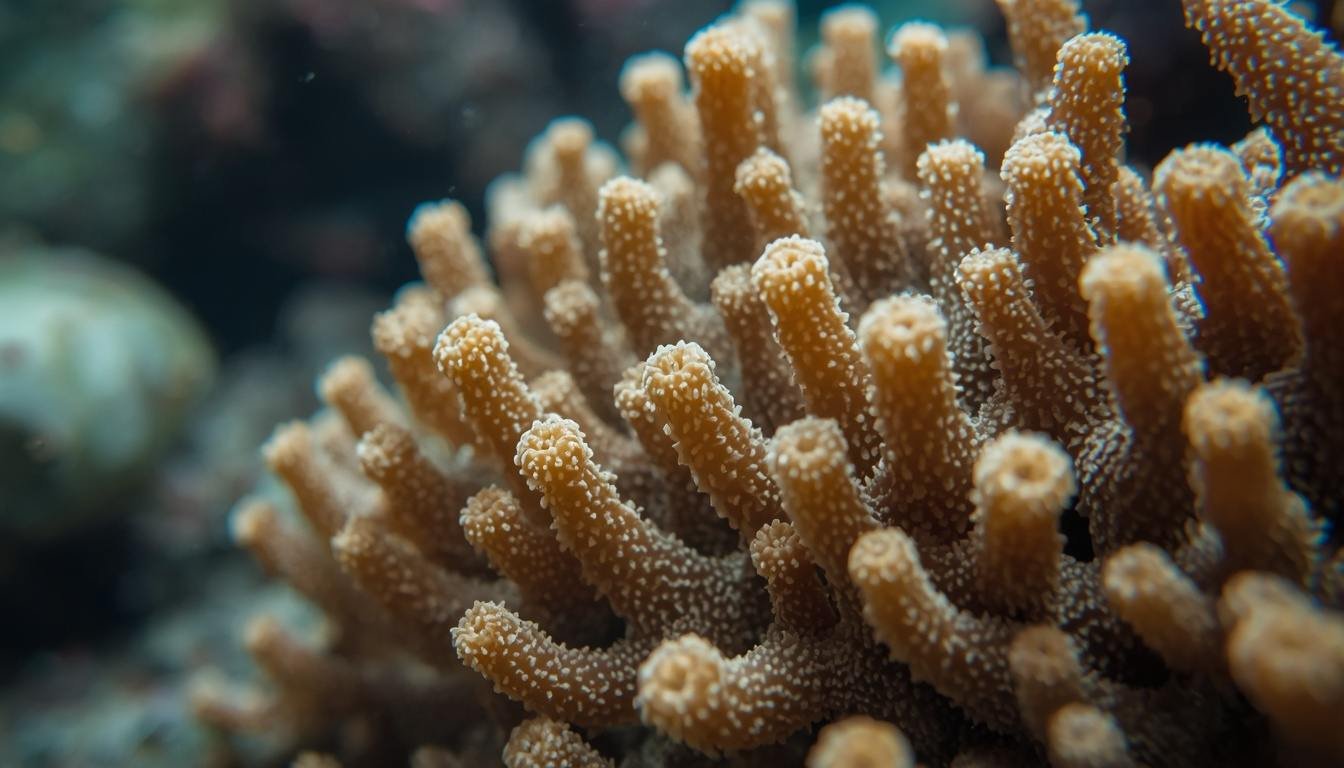
The relationship between coral and its resident algae, known as zooxanthellae, is central to how most reef-building corals get their color. According to NOAA’s Ocean Service, this is a mutualistic relationship, meaning both the coral and the algae benefit from living together. The coral provides the algae with a protected environment along with carbon dioxide and water, while the zooxanthellae use sunlight to photosynthesize, producing sugars, proteins, and oxygen that the coral relies on for energy and growth.
Zooxanthellae cells contain chlorophyll, the same light-capturing pigment found in land plants, and this chlorophyll is largely responsible for the brownish and greenish base tones seen in many coral species. Because coral species can host different types or densities of zooxanthellae, the specific shade produced by this algae partnership can vary noticeably even among closely related corals.
Read This Why Are Clownfish Orange and White? The Science of Their Colors
Why Are Some Corals Bright?
While zooxanthellae explain much of a coral’s base coloring, they do not account for the vivid blues, purples, and pinks seen in many coral species. These brighter colors typically come from separate pigment proteins that the coral itself produces within its own tissue, independent of the algae living inside it.
Some of these proteins are closely related to green fluorescent protein, or GFP, a molecule originally discovered in jellyfish and later found to have similar counterparts in many coral species. Research on these coral pigments has found that they are not purely decorative; scientific studies have linked certain fluorescent and non-fluorescent pigment proteins to functional roles within the coral, including managing how much light reaches the symbiotic algae inside the tissue.
Red, Blue, Green, and Purple Corals
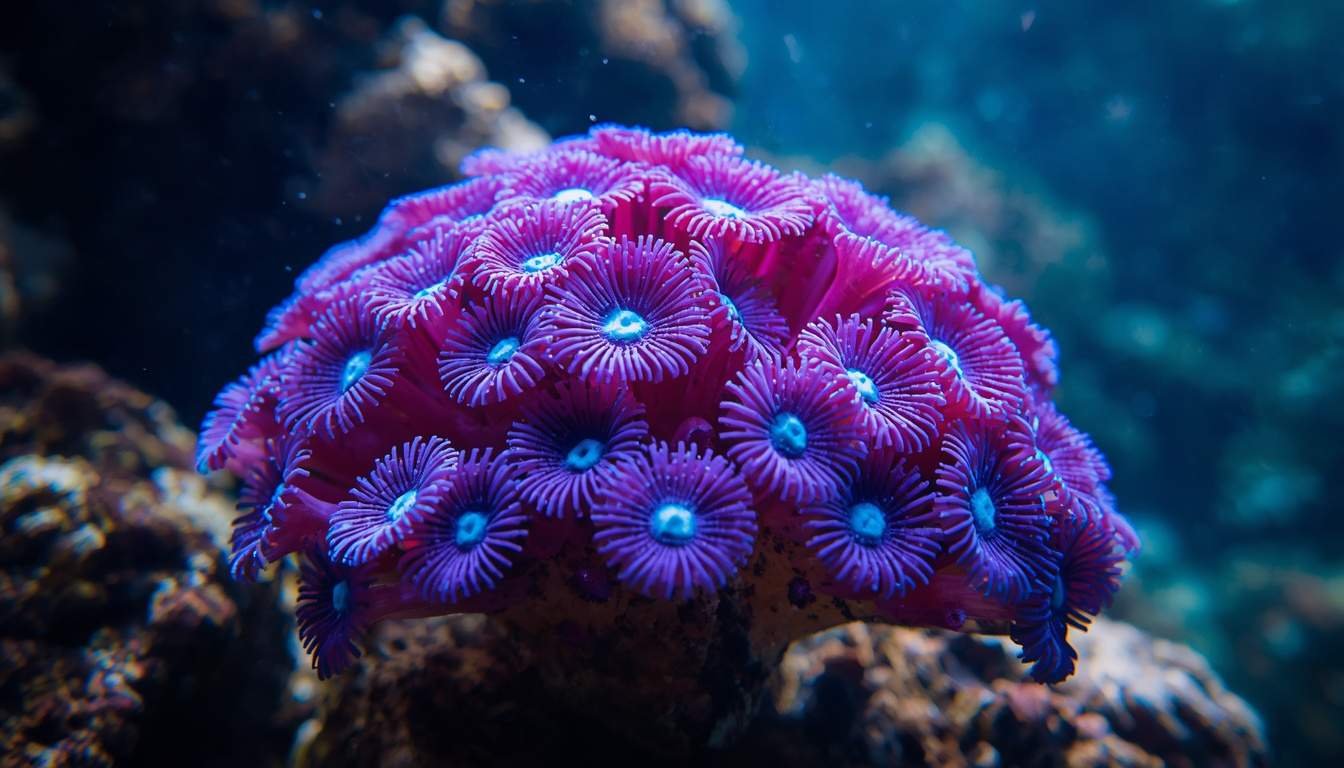
The range of specific colors seen across different coral species largely comes down to which combination of pigment proteins a coral produces, since different protein variants absorb and reflect light differently. Research on coral species such as Montastraea cavernosa has found that GFP-like proteins can emit light across several different wavebands, including cyan, green, and red, depending on which genes are active within a given colony.
Purple and other non-fluorescent colors are often linked to a related group of proteins called chromoproteins, which absorb certain wavelengths of light without necessarily glowing themselves. Because the genes responsible for these proteins can vary between individual coral colonies, even within a single species, it is possible to find dramatically different color morphs, such as green, orange, or purple variants, growing within the same reef environment.
Coral Colors and Sunlight
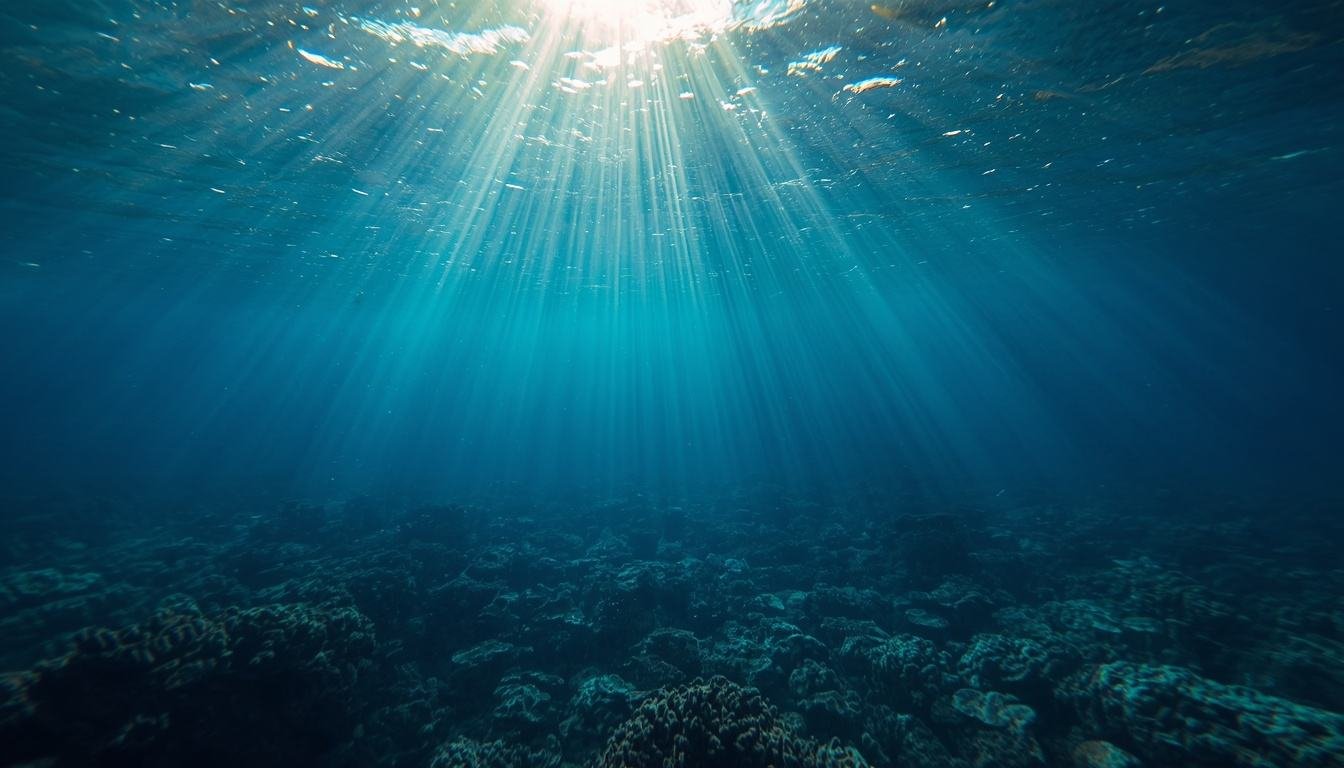
Sunlight plays an important role in shaping coral color, both because it powers the photosynthesis carried out by zooxanthellae and because coral pigment proteins can respond directly to changing light conditions. Corals living in brighter, shallow water often produce more of certain protective pigment proteins, since these compounds can help absorb or scatter excess light before it damages the delicate photosynthetic algae living inside coral tissue.
In deeper, dimmer reef environments, some coral pigments appear to work in the opposite direction, converting available light into wavelengths that are more useful for the algae’s photosynthesis rather than blocking it. Because light intensity and quality change significantly with depth and water clarity, corals living in different parts of the same reef can display noticeably different coloring even when closely related, partly as a reflection of how much sunlight reaches them.
Read This Why Do Sea Turtles Seem to Cry? The Real Reason Behind Their “Tears”
Why Do Corals Turn White?
Corals turn white through a process called coral bleaching, which happens when the coral expels the zooxanthellae living inside its tissue. Since these algae are responsible for most of a coral’s underlying color, their loss leaves the coral’s tissue nearly transparent, revealing the white calcium carbonate skeleton underneath.
According to NOAA’s Flower Garden Banks National Marine Sanctuary, bleaching is typically triggered by stress, most often unusually high water temperatures, sometimes combined with intense sunlight, along with other stressors such as pollution or extreme changes in salinity. This response is not unique to any single coral species and can affect entire reef systems when environmental conditions become severe enough across a wide area.
Read This Why Do Jellyfish Glow in the Dark? Bioluminescence Explained [2026]
Does Coral Color Mean It Is Healthy?
Color can offer a useful visual clue about coral health, but it is not a perfectly reliable indicator on its own. A vividly colored coral generally reflects a healthy population of zooxanthellae or active pigment protein production, both of which are usually associated with a coral in reasonably good condition.
However, a bleached, white coral is not necessarily dead. NOAA notes that if the stressful conditions causing bleaching improve quickly enough, a coral may take up new zooxanthellae and gradually regain its color and health. The risk is that a bleached coral is significantly more vulnerable during this period, and if it goes too long without the nutrients its algae normally provide, it can eventually starve and die. In short, color loss is a meaningful warning sign of stress, but it does not automatically mean a coral has died.
Frequently Asked Questions
What causes coral to be brown or green?
Most brown and green coral coloring comes from chlorophyll inside the coral’s symbiotic algae, known as zooxanthellae.
What causes bright blue or purple coral colors?
Bright blue, purple, pink, and red coloring often comes from pigment proteins the coral produces itself, separate from its algae.
Is white coral always dead coral?
No, a white or bleached coral has lost its algae and is under stress, but it can potentially recover its color if conditions improve in time.
Do all corals have the same type of algae?
No, different coral species and even different colonies can host different types of zooxanthellae, which can affect coloring and heat tolerance.
Why do corals of the same species sometimes look different colors?
Individual coral colonies can vary in which pigment protein genes are active, leading to different color morphs even within a single species.
Conclusion
A coral reef’s dazzling range of colors comes down to a partnership between living algae and the coral’s own specialized proteins, each contributing a different piece of the visual puzzle. That same biology also explains why a reef can turn ghostly white during a bleaching event, since losing the algae strips away most of the color a coral normally relies on. Understanding what actually produces those colors makes it easier to appreciate just how much biology is happening beneath the surface of every colorful coral formation.

Ethan Carter is a nature enthusiast and educational writer at Wonderexplained. He creates well-researched articles about animals, oceans, weather, and the natural world, making complex topics easy to understand. His goal is to provide accurate, engaging, and reader-friendly content that inspires curiosity and lifelong learning.
