

Whales include some of the largest animals to have ever lived, yet they descended from land-dwelling ancestors and remain air-breathing mammals to this day. There are more than 90 known whale species, generally divided into two major groups: baleen whales, which filter tiny prey from the water, and toothed whales, which hunt fish, squid, and other prey directly.
These whale facts cover their anatomy, feeding strategies, communication, migration, and conservation status, based on current scientific understanding of these remarkable marine mammals.
Quick Facts About Whales
- Classification: Marine mammals of the order Cetacea, divided into baleen whales (Mysticeti) and toothed whales (Odontoceti)
- Number of species: More than 90 known whale, dolphin, and porpoise species collectively make up Cetacea, with roughly a few dozen typically classified as “whales”
- Breathing: Whales are air-breathing mammals that surface to breathe through one or two blowholes
- Diet: Varies by group; baleen whales filter small prey like krill, while toothed whales hunt fish, squid, and other animals
- Size: Ranges enormously by species, from smaller whales to the blue whale, believed to be the largest animal ever known to have existed
- Conservation status: Varies significantly by species, from stable populations to critically endangered ones
Read This 30+Dolphin Facts: Interesting Facts About Dolphins[2026]
Anatomy and Physical Features
Whales Breathe Air Through One or Two Blowholes
Whales must surface periodically to breathe, exchanging air through blowholes located on top of the head. Baleen whales typically have two blowholes, while toothed whales generally have a single blowhole, one of the anatomical differences used to distinguish the two groups.
Baleen Whales Filter Food Instead of Chewing It
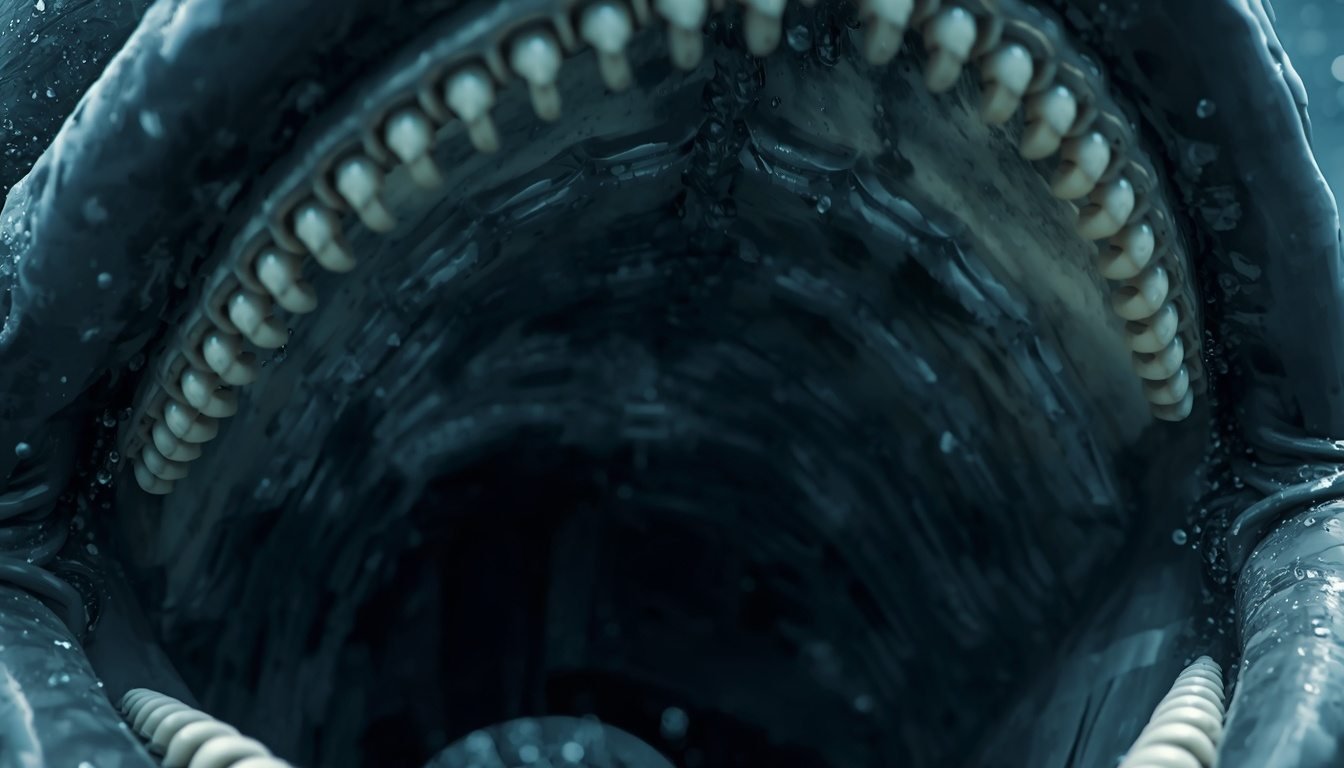
Rather than teeth, baleen whales have comb-like plates made of keratin, the same material as human fingernails, hanging from their upper jaw. These plates strain small prey such as krill and small fish from large mouthfuls of water, allowing the whale to feed efficiently on enormous quantities of tiny organisms.
The Blue Whale May Be the Largest Animal to Have Ever Lived
Based on current fossil and scientific evidence, the blue whale is generally considered the largest animal known to have existed, surpassing even the largest known dinosaurs in mass. Exact size figures vary between individuals and reported measurements, so specific numbers should be treated as general ranges rather than fixed records.
A Whale’s Blubber Layer Can Be Extremely Thick
Whales rely on a thick layer of blubber beneath the skin for insulation in cold ocean waters, as well as for energy storage during long migrations or periods of reduced feeding. Blubber thickness varies by species and by an individual’s body condition and habitat.
Diet and Feeding Behavior
Baleen Whales Often Feed Using Lunging or Skimming Techniques
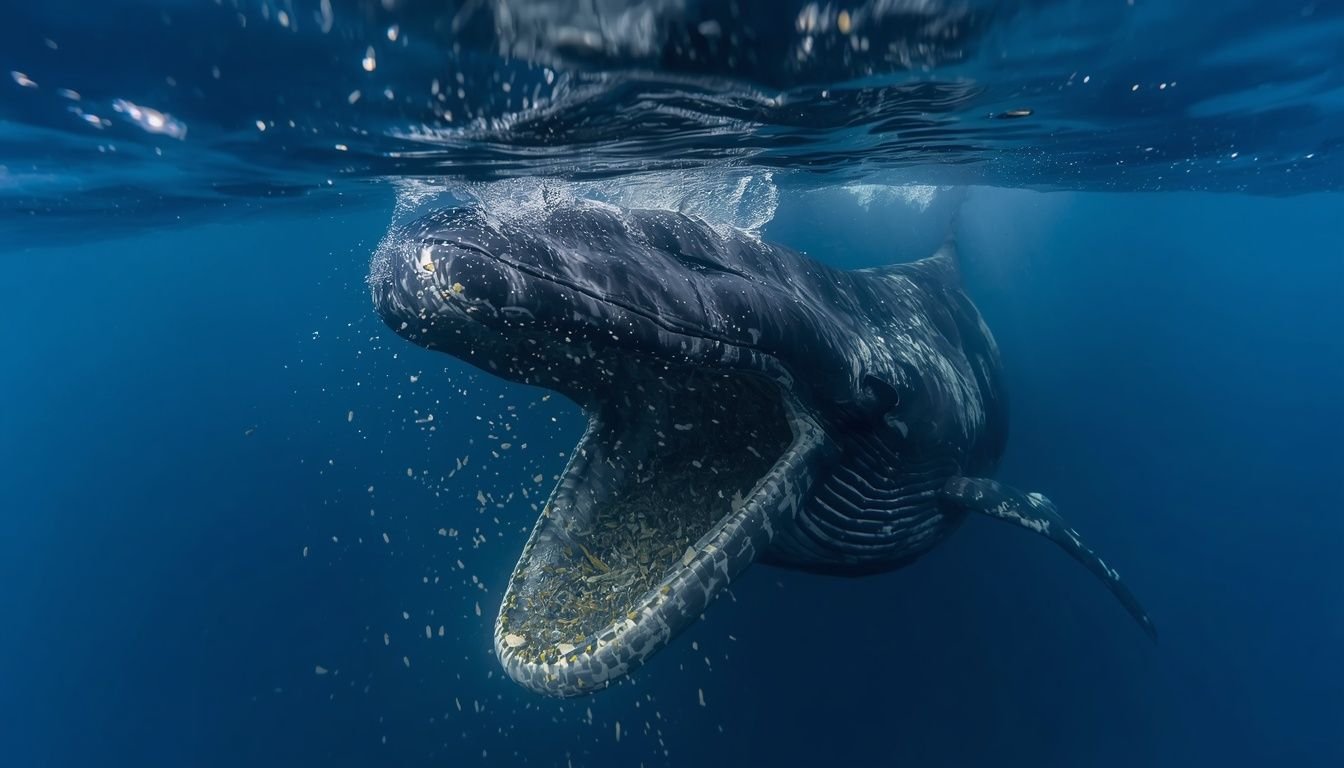
Many baleen whale species use feeding strategies such as lunge feeding, where the whale accelerates into a dense patch of prey and engulfs a huge volume of water, or skim feeding, where the whale swims slowly with its mouth open near the surface. The specific technique used depends on the species and the type of prey available.
Toothed Whales Hunt Individual Prey Using Echolocation
Species such as sperm whales and orcas use echolocation, emitting clicks and interpreting the returning echoes, to locate prey like fish, squid, and in some cases marine mammals in dark or murky water. This ability allows toothed whales to hunt effectively even in the deep sea, where sunlight barely penetrates.
Some Whales Undertake Long Fasting Periods
Certain baleen whale species feed intensively in nutrient-rich polar waters for part of the year and rely heavily on stored blubber during long migrations to warmer breeding grounds, where they may feed much less or not at all for extended periods.
Habitat and Range
Whales Are Found in Nearly Every Ocean
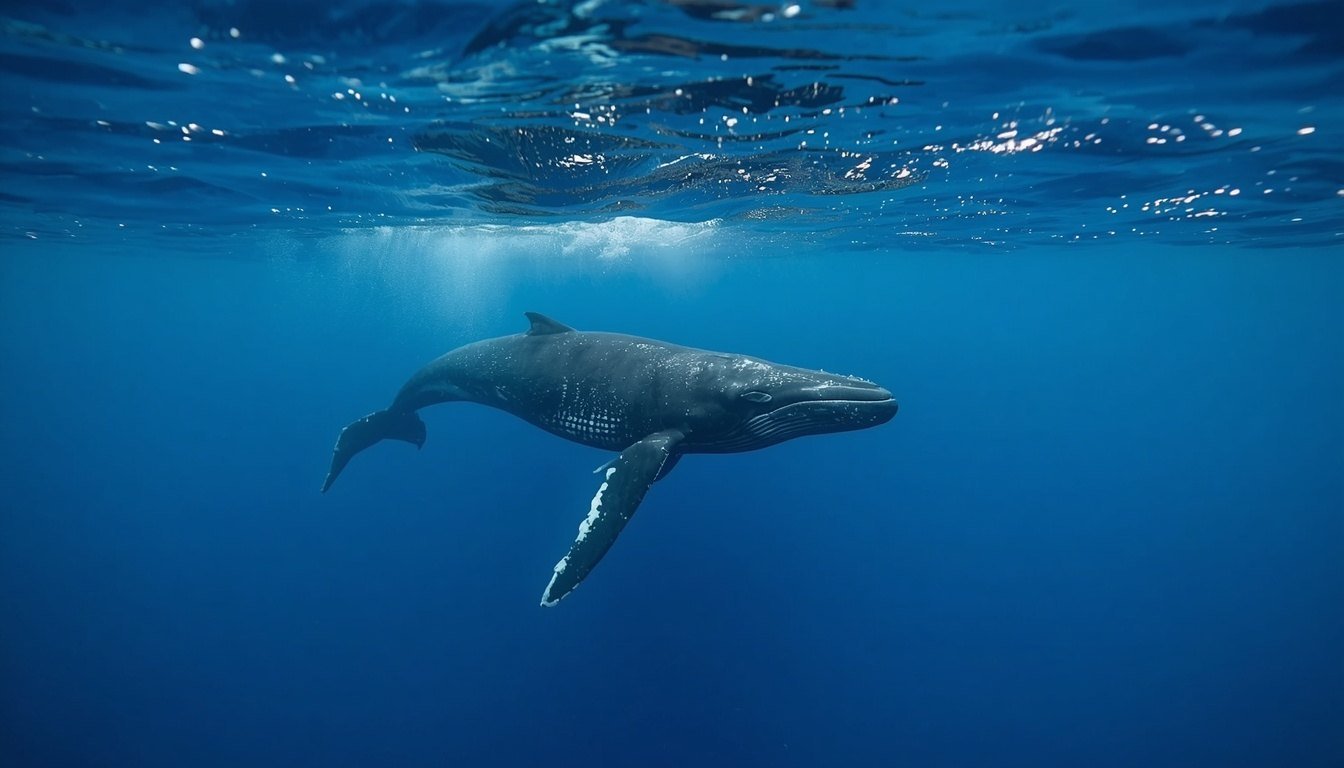
Different whale species occupy a wide range of marine environments, from polar waters to tropical seas, with some species specializing in particular regions and others ranging across ocean basins. Habitat preference often relates closely to feeding and breeding needs.
Many Whale Species Undertake Long Seasonal Migrations
Numerous baleen whale species migrate annually between cold, food-rich feeding grounds and warmer waters used for breeding and calving. Some of these migrations are among the longest documented for any mammal, though exact distances vary by species, individual, and population.
Toothed Whales Include Some of the Deepest-Diving Mammals
Species like the sperm whale are known for deep, prolonged dives in search of prey such as squid, with some tracked individuals reaching depths of hundreds to over a thousand meters. Diving capability varies considerably across toothed whale species.
Communication and Senses
Whale Songs Can Travel Long Distances Underwater
Certain species, most notably humpback whales, produce complex, patterned vocalizations often referred to as songs, which can travel considerable distances through water. Researchers have found that songs can change over time and vary between populations, though the exact function and meaning of these songs remain an active area of scientific study.
Toothed Whales Use Echolocation to Navigate and Hunt
By emitting clicks and interpreting returning echoes, toothed whales can build a detailed picture of their surroundings, including the location, size, and possibly texture of nearby objects and prey. This ability is especially valuable in deep or dark water where vision is of limited use.
Whales May Communicate Over Very Long Distances
Some baleen whale calls are low-frequency and can potentially travel long distances through the ocean under certain conditions, which researchers believe may help whales stay in contact with others across large areas, though how effectively this occurs in noisy modern oceans is still being studied.
Read This 40+Shark Facts: Interesting Facts About Sharks[2026]
Reproduction and Calves
Whale Calves Are Born Able to Swim Immediately
Unlike many land mammals, whale calves must be capable of swimming to the surface to breathe almost immediately after birth, and mothers often assist newborns in reaching the surface for their first breath.
Calves Nurse on Extremely Rich Milk
Whale milk is notably higher in fat content than the milk of most land mammals, which supports rapid growth in calves during the nursing period. The exact duration of nursing and weaning varies considerably by species.
Mother-Calf Bonds Can Last for Extended Periods
In many whale species, calves remain closely associated with their mothers for months to years, during which they learn important behaviors such as feeding techniques and, in some species, migration routes.
Survival and Adaptations
Whales Evolved From Land-Dwelling Ancestors
Fossil and genetic evidence indicates that whales descended from land-dwelling, hoofed mammal ancestors that gradually adapted to a fully aquatic lifestyle over millions of years. This evolutionary history is reflected in vestigial pelvic bones found in some whale species, remnants of limbs their ancestors once used on land.
Whales Have Specialized Adaptations for Deep or Long Dives
Many whale species have physiological adaptations, such as the ability to slow their heart rate and redirect blood flow to essential organs, which help them cope with the physical demands of diving, particularly in deep-diving species like sperm whales.
Whales Play an Important Role in Ocean Ecosystems
Through processes such as nutrient cycling from their waste and the eventual decomposition of their bodies on the seafloor, whales are thought to support broader marine ecosystem health, including nutrient availability for smaller organisms. This ecological role has led some researchers to describe large whales as ecosystem engineers.
Conservation
Whale Conservation Status Varies Significantly by Species
Some whale species, such as the humpback whale, have shown notable recovery in various regions following historical commercial whaling declines, while others, including the North Atlantic right whale, remain critically endangered with ongoing population concerns. Because assessments are periodically updated, current status should be checked against the latest IUCN or relevant national listings.
Commercial Whaling Caused Major Historical Population Declines
Industrial whaling throughout the 19th and 20th centuries dramatically reduced populations of many large whale species, and international regulation, including the International Whaling Commission’s moratorium on commercial whaling, has been central to subsequent conservation efforts, though enforcement and exceptions vary.
Ship Strikes and Entanglement Remain Ongoing Threats
Collisions with large vessels and entanglement in fishing gear are considered significant modern threats to many whale populations, particularly species that frequent busy shipping lanes or coastal waters. Conservation efforts include shipping lane adjustments and fishing gear modifications in some regions.
Interesting and Lesser-Known Facts
The Blue Whale’s Heart Is Exceptionally Large
Studies of blue whale anatomy have found their hearts to be enormous compared to most animals, reflecting the demands of circulating blood through such a massive body. Exact heart size figures can vary between individual studies and measurement methods.
Some Whales May Live for Over a Century
Bowhead whales, in particular, have been the subject of research using techniques such as amino acid racemization in eye tissue, suggesting some individuals may live well over a hundred years, though these estimates come with scientific uncertainty and are still being refined.
Orcas Are Technically the Largest Dolphins, Not Whales
Despite the common name “killer whale,” orcas are classified within the dolphin family, Delphinidae, rather than among the great whales, making their popular name somewhat misleading from a strict taxonomic standpoint.
Read This Why Do Whales Breach? The Leading Theories Explained
Frequently Asked Questions
What do whales eat?
Diet depends on the type of whale. Baleen whales filter small prey like krill and small fish from the water, while toothed whales hunt individual prey such as fish, squid, and sometimes other marine mammals.
How long do whales live?
Lifespan varies greatly by species. Many whales live several decades, while some species, like the bowhead whale, are estimated by researchers to potentially live over a century, though such estimates carry uncertainty.
Why do whales migrate?
Many whale species migrate between nutrient-rich feeding grounds in colder waters and warmer regions used for breeding and calving, timing these movements around feeding opportunities and calf survival needs.
Are whale facts endangered?
It depends on the species. Some, like many humpback whale populations, have shown recovery in various regions, while others, such as the North Atlantic right whale, remain critically endangered.
How do whales communicate?
Whales communicate using a range of sounds, including complex songs in species like humpback whales and echolocation clicks in toothed whales, which also help with navigation and hunting.
Conclusion
Whales represent an extraordinary evolutionary journey from land to sea, resulting in animals capable of enormous size, deep dives, and complex vocal communication. Their feeding strategies, whether filtering tiny prey through baleen or hunting with echolocation, reflect millions of years of adaptation to life in the ocean. At the same time, conservation outcomes differ widely across species, shaped by a history of commercial whaling and modern threats like ship strikes and fishing gear entanglement.

Ethan Carter is a nature enthusiast and educational writer at Wonderexplained. He creates well-researched articles about animals, oceans, weather, and the natural world, making complex topics easy to understand. His goal is to provide accurate, engaging, and reader-friendly content that inspires curiosity and lifelong learning.

1 thought on “45+Whale Facts: Interesting Facts About Whales[2026]”