

Bears are among the largest land carnivores, found across a wide range of habitats from Arctic ice to tropical forests. There are eight recognized bear species worldwide, including the American black bear, brown bear, polar bear, and giant panda, each adapted to very different environments and diets.
These bear facts cover their anatomy, diet, hibernation, cubs, and conservation status, based on current scientific understanding. Because bear species vary so much, some facts note which species they apply to rather than generalizing across all bears.
Quick Facts About Bears
- Number of species: Eight recognized bear species, including the American black bear, brown bear, polar bear, giant panda, sun bear, sloth bear, spectacled bear, and Asiatic black bear
- Classification: Family Ursidae, within the order Carnivora
- Habitat: Extremely varied, from Arctic sea ice to tropical rainforests, depending on species
- Diet: Ranges from highly carnivorous (polar bears) to largely herbivorous (giant pandas); most species are omnivores
- Social structure: Generally solitary outside of mating season and mother-cub groups
- Conservation status: Varies significantly by species, from stable to critically endangered
Anatomy and Physical Features
Bear Species Vary Enormously in Size
Bears range from the relatively small sun bear, the smallest bear species, to the polar bear and brown bear, which are among the largest land carnivores. Size within a species also varies by sex, age, region, and season, particularly around hibernation.
Most Bears Have a Strong Sense of Smell
Bears generally have a highly developed sense of smell, often considered far more sensitive than their eyesight or hearing. This is thought to help them locate food over long distances, which is especially useful for omnivorous species that rely on scattered food sources.
Bears Are Plantigrade, Walking Flat on Their Feet
Unlike many other carnivores that walk on their toes, bears walk with their whole foot touching the ground, similar to humans. This plantigrade posture supports their weight and contributes to their distinctive, sometimes shuffling gait.
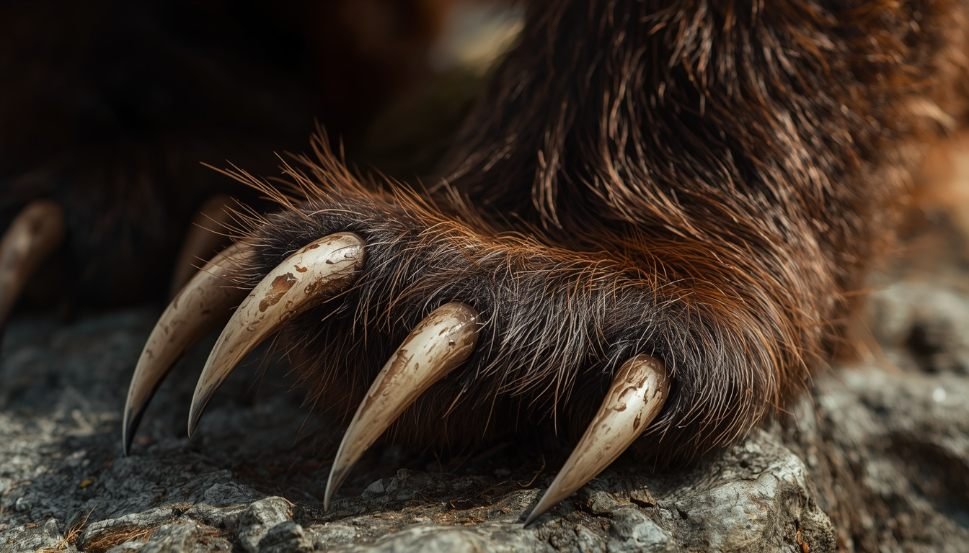
Claws Differ by Species and Purpose
Bear claws vary depending on species and lifestyle. Grizzly bears (a subspecies of brown bear) have long, relatively straight claws suited to digging, while black bears have shorter, more curved claws better suited to climbing trees.
Diet and Feeding Behavior
Bear Diets Range From Almost All Meat to Almost All Plants
Polar bears are the most carnivorous bear species, feeding primarily on seals, while giant pandas rely almost entirely on bamboo. Most other bear species, including brown bears and American black bears, are opportunistic omnivores that eat a mix of plants, insects, fish, and other animals depending on availability.
Many Bears Rely Heavily on Seasonal Food Sources
Species like brown bears often depend on seasonal gluts of food, such as salmon runs or berry crops, to build up fat reserves. This seasonal feeding pattern is especially important for species that hibernate, since stored fat must last through months of reduced activity.
Bears Are Generally Opportunistic Feeders
Most bear species will take advantage of whatever food sources are available in their environment, from scavenging carcasses to raiding insect nests. This adaptability helps explain why several bear species have been able to persist near human settlements, sometimes leading to conflict over food sources like garbage or livestock.

Habitat and Range
Bear Species Occupy Very Different Habitats
Polar bears are adapted to Arctic sea ice, brown bears range across forests, mountains, and tundra in the Northern Hemisphere, and sun bears and sloth bears inhabit tropical forests in Southeast Asia and South Asia. This diversity of habitat reflects the wide range of environments bears have adapted to over time.
Some Bear Species Have Much Smaller Ranges Than Others
While brown bears and American black bears have relatively wide distributions across parts of North America, Europe, and Asia, other species like the spectacled bear, found only in South America, occupy far more limited ranges.
Habitat Loss Affects Many Bear Species Differently
Deforestation and human development have reduced suitable habitat for species like the sun bear and sloth bear, while Arctic sea ice loss presents a distinct and well-documented threat specifically to polar bears. The nature and severity of habitat pressure vary considerably by species and region.

Hibernation and Seasonal Behavior
Not All Bears Truly Hibernate
Species living in colder climates, such as brown bears and American black bears, enter a winter dormancy period often called hibernation, during which their metabolism, heart rate, and body temperature drop significantly. Bears in warmer climates, including sun bears, generally do not hibernate at all, since food remains available year-round.
Bears Do Not Eat, Drink, or Eliminate Waste During Hibernation
During true hibernation, bears rely entirely on stored body fat for energy and do not eat or drink for months at a time. Their bodies are able to recycle waste products in ways that are still being studied by researchers interested in potential medical applications.
Female Bears Often Give Birth During Hibernation
In species like the American black bear and brown bear, females typically give birth to cubs during winter dormancy, and the tiny, underdeveloped cubs nurse and grow while the mother remains in a low-activity state.
Read This 25+Wolf Facts: Interesting Facts About Wolves[2026]
Reproduction and Cubs
Bear Cubs Are Born Small and Underdeveloped
Compared to the size of their mothers, bear cubs are born remarkably small, blind, and largely helpless, particularly in species that give birth during hibernation. This is thought to be related to the mother’s reduced metabolism during pregnancy and birth.
Mother Bears Are Highly Protective of Their Cubs
Female bears across most species are known for fiercely defending their cubs against potential threats, including other bears. Cubs typically stay with their mother for one to several years, depending on the species, learning essential survival skills like foraging and, in some species, fishing.
Male Bears Generally Do Not Participate in Raising Cubs
In most bear species, males play no role in rearing offspring after mating, and in some cases may even pose a threat to cubs. This has shaped mother bears’ strong protective instincts and their tendency to keep cubs away from adult males.
Read This 15+Fox Facts: Interesting Facts About Foxes[2026]
Conservation
Bear Conservation Status Varies Dramatically by Species
The IUCN lists bear species with very different conservation statuses: the American black bear is considered widespread and stable, while species like the sun bear and giant panda have faced more serious historical declines, with the giant panda having been reclassified from Endangered to Vulnerable in 2016 following population recovery. Current status should be checked against the latest IUCN assessments for each species.
Habitat Loss Is a Common Threat Across Several Species
Deforestation, agricultural expansion, and human development have reduced suitable habitat for a number of bear species, particularly those in tropical regions like the sun bear and sloth bear. Conservation strategies differ by region and species.
Climate Change Poses a Specific and Well-Documented Risk to Polar Bears
Because polar bears depend on sea ice to hunt seals, the ongoing loss of Arctic sea ice due to climate change has been extensively studied as a major threat to the species’ long-term survival, a concern that does not apply in the same way to bear species living in temperate or tropical regions.
Read This 45+Panda Facts: Interesting Facts About Giant Pandas[2026]
Interesting and Lesser-Known Facts
Giant Pandas Are Classified as Bears
Despite their unusual bamboo-based diet, genetic studies confirm giant pandas belong to the bear family, Ursidae, alongside more typically carnivorous species like brown bears and polar bears.
Sun Bears Have the Longest Tongues Relative to Body Size
Sun bears use their notably long tongues to extract honey and insects from tree cavities and logs, an adaptation suited to their tropical forest diet.
Some Bear Species Are Excellent Swimmers
Polar bears are particularly strong swimmers, capable of covering long distances in Arctic waters, an adaptation tied to their reliance on sea ice and marine prey. Other species, like American black bears, are also capable swimmers, though swimming plays a less central role in their daily lives.
Frequently Asked Questions
How many species of bears are there?
There are eight recognized bear species: the American black bear, brown bear, polar bear, giant panda, sun bear, sloth bear, spectacled bear, and Asiatic black bear.
Do all bears hibernate?
No. Bears living in colder climates, such as brown bears and American black bears, typically hibernate through winter, while species in warmer regions, like sun bears, generally do not, since food remains available year-round.
What do bears eat?
Diet varies significantly by species, ranging from the largely carnivorous polar bear to the nearly all-bamboo diet of the giant panda. Most other bear species are opportunistic omnivores eating a mix of plants, insects, fish, and other animals.
Are bears dangerous to humans?
Most bear encounters with humans are not aggressive, but bears can act defensively, particularly females protecting cubs or animals surprised at close range. Risk varies by species, region, and specific circumstances, and local wildlife guidance should be followed in bear habitat.
Are bear facts endangered?
It depends on the species. Some, like the American black bear, are considered stable and widespread, while others, including several tropical bear species, face more significant conservation concerns, so status should be checked per species.
Conclusion
Bears are a far more diverse group than their popular image suggests, ranging from the ice-dependent polar bear to the bamboo-eating giant panda. Their varied diets, hibernation strategies, and reproductive behaviors reflect adaptations to very different environments across the eight recognized species. At the same time, conservation challenges differ sharply by species, from climate-driven threats facing polar bears to habitat loss affecting tropical bears, underscoring why bear conservation cannot be approached with a one-size-fits-all strategy.

Ethan Carter is a nature enthusiast and educational writer at Wonderexplained. He creates well-researched articles about animals, oceans, weather, and the natural world, making complex topics easy to understand. His goal is to provide accurate, engaging, and reader-friendly content that inspires curiosity and lifelong learning.

1 thought on “30+Bear Facts: Interesting Facts About Bears[2026]”