

Sharks have patrolled the oceans for hundreds of millions of years, long before dinosaurs existed, and they remain some of the most misunderstood animals on the planet. There are more than 500 known shark species, ranging from the palm-sized dwarf lantern shark to the whale shark, the largest fish in the ocean.
These shark facts cover their anatomy, senses, hunting behavior, reproduction, and conservation status, based on current scientific understanding of this diverse group of fish.
Quick Facts About Sharks
- Classification: Cartilaginous fish (class Chondrichthyes), a group that also includes rays and skates
- Number of species: More than 500 known species, with new species still being described
- Skeleton: Made of cartilage rather than bone
- Habitat: Found in oceans worldwide, from shallow coastal waters to the deep sea; a few species tolerate freshwater
- Diet: Varies widely by species, from tiny plankton to fish, marine mammals, and other sharks
- Conservation status: Many species are threatened, though status varies significantly by species
Read This Why Do Sharks Have So Many Teeth? 3000+ Teeth Secret Revealed [2026]
Anatomy and Physical Features
A Shark’s Skeleton Is Made of Cartilage, Not Bone
Unlike most fish, sharks have skeletons made entirely of cartilage, the same flexible tissue found in human ears and noses. Cartilage is lighter than bone, which helps sharks move efficiently through water and reduces the energy needed to stay buoyant.
Sharks Are Covered in Tiny Tooth-Like Scales
Shark skin is covered with structures called dermal denticles, which are small, tooth-like scales rather than typical fish scales. These denticles reduce drag as the shark swims and give the skin a rough, sandpaper-like texture.
Sharks Continuously Replace Their Teeth
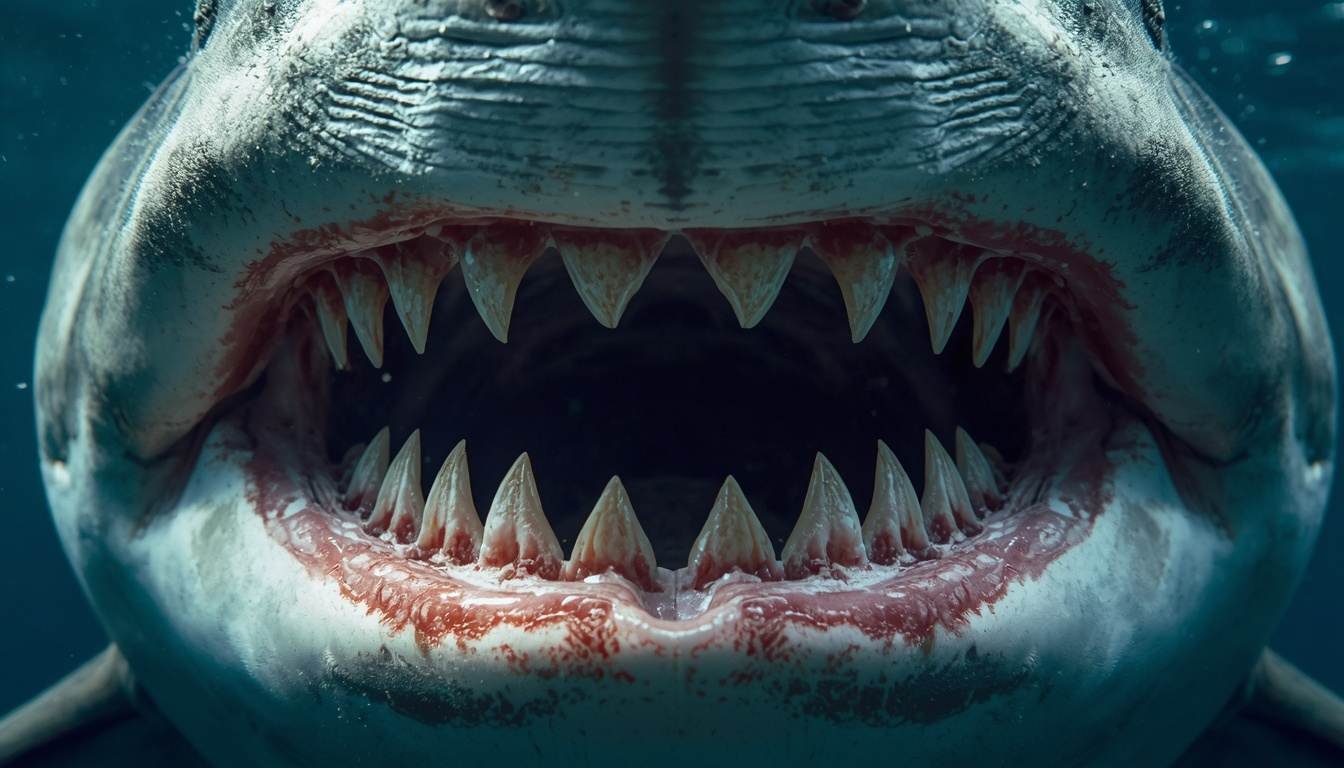
Most sharks shed and regrow teeth throughout their lives, and a single shark may go through many thousands of teeth over its lifetime depending on species and lifespan. New teeth typically move forward in rows to replace ones that are lost or worn down.
Not All Sharks Look or Behave the Same Way
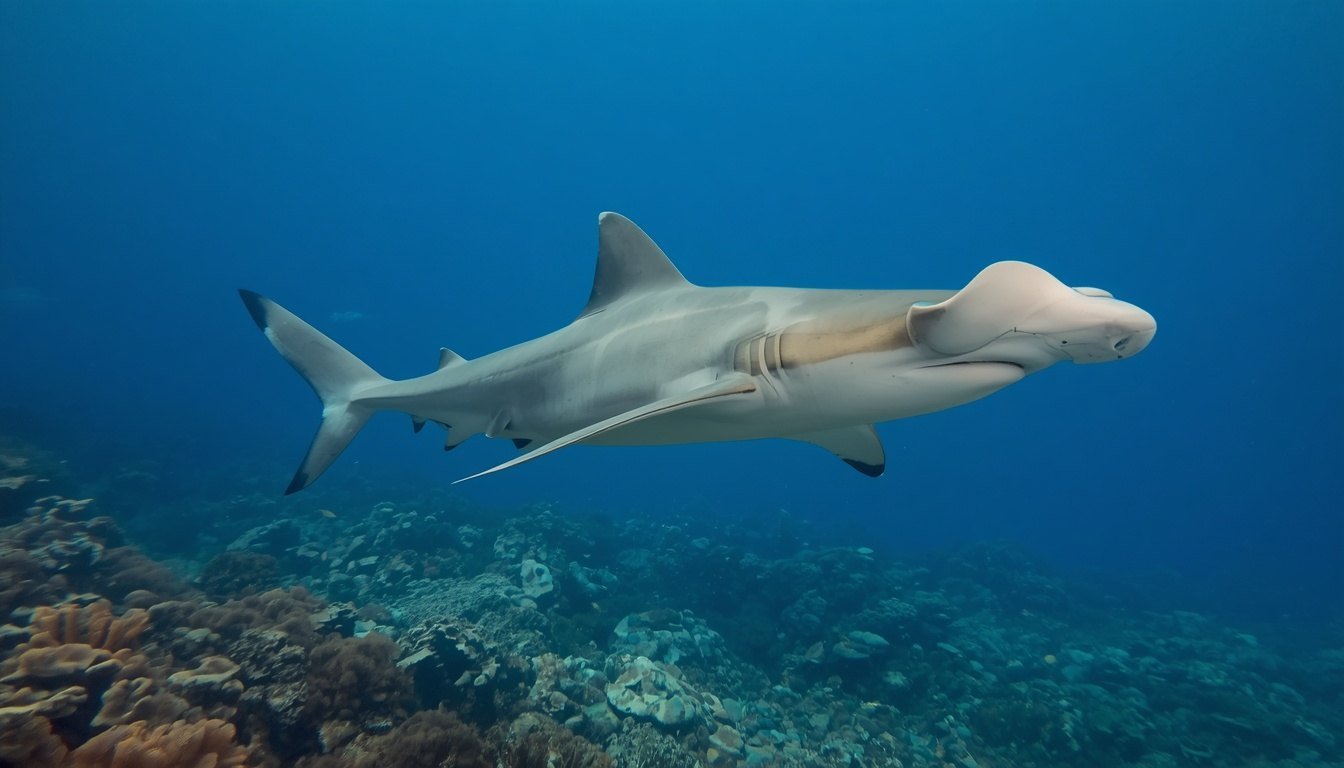
Shark body shapes vary enormously across species. Some, like the hammerhead, have distinctively shaped heads thought to improve sensory detection and maneuverability, while deep-sea species such as the goblin shark have unusual jaw structures suited to their specific hunting style.
Senses and Hunting
Sharks Can Detect Tiny Electrical Fields
Many sharks have specialized organs called the ampullae of Lorenzini, clusters of electroreceptor cells usually located around the snout. These organs can detect the faint electrical fields produced by the muscle movements of nearby animals, which helps sharks locate prey even when it’s hidden or in murky water.
A Shark’s Sense of Smell Is Highly Developed
Sharks have a strong sense of smell relative to other senses, and some species can detect certain compounds in water at very low concentrations. The popular claim that sharks can smell “a single drop of blood from miles away” is an exaggeration; actual detection ability varies by species, substance, and water conditions.
Most Sharks Are Not a Threat to Humans
Despite their reputation, the vast majority of shark species pose little to no danger to people, and unprovoked shark bites are statistically rare compared to other risks in the ocean. Only a small number of species, such as the great white, tiger, and bull shark, have been involved in the majority of recorded serious incidents.
Hunting Strategies Differ Widely Between Species
Some sharks, like the great white, rely on powerful bursts of speed to ambush prey from below. Others, such as nurse sharks, are slower-moving bottom feeders that suck prey from crevices. Filter-feeding species like whale sharks and basking sharks strain tiny plankton and small fish from large volumes of water instead of hunting individual prey.
Habitat and Range
Sharks Live in Nearly Every Ocean Environment
Sharks inhabit a wide range of marine environments, from shallow coral reefs and coastal waters to the open ocean and the deep sea. Some species, like the Greenland shark, are adapted to cold, deep waters, while others favor warm tropical reefs.
A Few Species Can Tolerate Freshwater
Most sharks cannot survive in freshwater, but the bull shark is a notable exception, capable of swimming considerable distances up rivers due to physiological adaptations that let it regulate salt balance in low-salinity water.
Read This Why Do Sharks Keep Swimming? The Real Science Behind It
Many Sharks Migrate Long Distances
Numerous shark species undertake seasonal migrations tied to feeding, breeding, or water temperature. Tagging studies have tracked some individual sharks traveling thousands of kilometers across ocean basins, though migration patterns and distances vary considerably between species and populations.

Reproduction and Young
Sharks Reproduce in Several Different Ways
Depending on the species, sharks may be oviparous (laying eggs), viviparous (giving live birth with a placental connection), or ovoviviparous (eggs hatch inside the mother, who then gives birth to live young). This variety is one of the more distinctive aspects of shark reproductive biology compared to most other fish.
Shark Egg Cases Are Sometimes Called “Mermaid’s Purses”
Species that lay eggs often produce a tough, protective egg case with tendrils that anchor it to rocks or seaweed. These cases, sometimes washed ashore and nicknamed “mermaid’s purses,” protect developing embryos until they hatch.
Young Sharks Receive No Parental Care
Once born or hatched, shark pups are independent and receive no care or protection from either parent. This means young sharks must be capable of finding food and avoiding predators, including larger sharks, almost immediately.
Survival and Adaptations
Some Sharks Must Keep Swimming to Breathe
Certain species, including some great whites and makos, rely partly on a method called ram ventilation, where forward swimming forces water over the gills to extract oxygen. Other shark species can pump water over their gills while stationary, so the common claim that “all sharks must swim constantly or they’ll die” does not apply to every species.
Sharks Have Existed for Hundreds of Millions of Years
Shark ancestors appear in the fossil record dating back several hundred million years, predating dinosaurs by a wide margin. Modern shark lineages have persisted through multiple mass extinction events, making them one of the most enduring vertebrate groups on Earth.
Sharks Play an Important Ecological Role
As predators, many shark species help regulate the populations of the animals they prey on, which supports the overall balance of marine ecosystems. Removing sharks from a food web can lead to ripple effects across other species, though the exact impact varies by ecosystem and shark species involved.
Read This Why Do Whales Breach? The Leading Theories Explained
Conservation
Many Shark Species Face Population Declines
Numerous shark species have experienced significant population declines due to overfishing, bycatch, and demand for shark fin products, according to assessments from conservation organizations. Conservation status varies considerably by species, and not all sharks are equally at risk.
Sharks Reproduce Slowly Compared to Many Fish
Many shark species mature late and produce relatively few offspring compared to bony fish, which makes their populations slower to recover from overfishing or habitat disruption. This biological trait is a key reason conservation groups emphasize careful, science-based management.
Conservation Efforts Include Fishing Regulations and Protected Areas
Various countries and international agreements regulate shark fishing, limit shark fin trade, and establish marine protected areas to support vulnerable populations. Effectiveness varies by region and species, and enforcement remains an ongoing challenge in many parts of the world.
Interesting and Lesser-Known Facts
The Whale Shark Is the Largest Fish in the Ocean
Whale sharks are filter feeders and, despite their massive size, feed mainly on plankton and small fish rather than hunting large prey. They are considered gentle toward humans and are a popular species for regulated ecotourism in several regions.
Some Sharks Glow in the Dark
Certain deep-sea species, including some lanternsharks, are capable of bioluminescence, producing their own light through chemical reactions in specialized cells. Researchers believe this may help with camouflage from below or communication, though the full purpose is still being studied.
The Greenland Shark May Be Among the Longest-Living Vertebrates
Scientific studies using radiocarbon dating of eye tissue have suggested Greenland sharks may live for an exceptionally long time, with some estimates exceeding a few hundred years, though these figures come with significant uncertainty and are still being refined by researchers.
Frequently Asked Questions
Are sharks dangerous to humans?
Most shark species pose little to no danger to people, and unprovoked bites are rare. Only a handful of species have been involved in most recorded serious incidents, and many bites are thought to result from mistaken identity rather than predatory intent.
What do sharks eat?
Diet varies enormously by species. Some sharks eat fish, seals, or other marine mammals, while filter-feeding species like whale sharks and basking sharks feed on plankton and small organisms strained from the water.
How long do sharks live?
Lifespan varies widely by species. Some sharks live a few decades, while species like the Greenland shark are estimated to live far longer, based on scientific studies, though exact figures carry uncertainty.
Do all sharks lay eggs?
No. Depending on the species, sharks may lay eggs, give live birth, or hatch eggs internally before giving birth to live young. Reproductive strategy varies significantly across shark species.
Are sharks endangered?
Conservation status varies by species. Many shark species face population declines due to overfishing and bycatch, while others are more stable, so it’s inaccurate to generalize about all sharks having the same status.
Conclusion
Sharks are a far more diverse group than their popular reputation suggests, ranging from massive filter feeders to specialized deep-sea hunters. Their cartilage skeletons, electrical sensing abilities, and varied reproductive strategies reflect hundreds of millions of years of evolutionary refinement. At the same time, many species face real conservation challenges tied to slow reproduction and human fishing pressure, making accurate, science-based understanding of sharks more important than ever.

Ethan Carter is a nature enthusiast and educational writer at Wonderexplained. He creates well-researched articles about animals, oceans, weather, and the natural world, making complex topics easy to understand. His goal is to provide accurate, engaging, and reader-friendly content that inspires curiosity and lifelong learning.
