

Watch a penguin cross a stretch of ice and it’s hard not to smile at that rolling, side-to-side gait, equal parts clumsy and endearing. Why Do Penguins Waddle is a question that seems simple at first, but the answer reveals something fascinating about how penguins are built for life both on land and in water. For a long time, that waddle looked like exactly what it appears to be: an inefficient, almost accidental way of getting around on land. Biomechanics research published in the journal Nature turned that assumption on its head, showing that penguins waddle not despite trying to move efficiently, but specifically because it helps them save energy given how their bodies are built.
This article breaks down the actual science behind why penguins waddle, what their short legs have to do with it, and how waddling compares to the other ways penguins get around.
The 1 Reason Penguins Waddle: To Save Energy
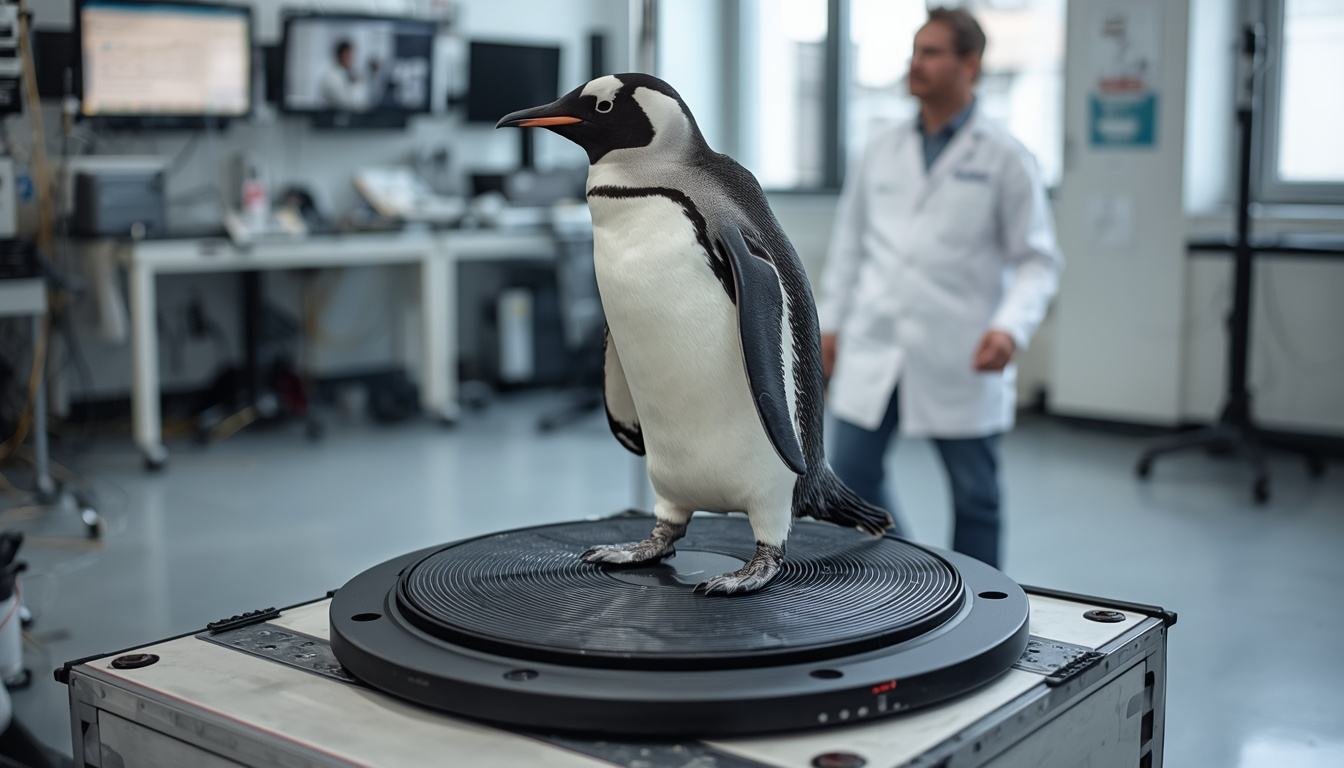
The leading, most scientifically supported explanation for why penguins waddle comes from research conducted by biomechanics researchers Timothy Griffin and Rodger Kram, published in the journal Nature in 2000. Using a force platform to measure the movements of walking emperor penguins, the researchers found that the characteristic side-to-side rocking motion isn’t wasted energy at all. Instead, it functions similarly to an inverted pendulum, where the penguin’s body swings gently from side to side, storing and then releasing mechanical energy with each step rather than relying purely on muscular effort to move forward.
According to that research, emperor penguins recover up to about 80% of their mechanical energy between strides through this rocking motion, a notably high recovery rate compared to many other terrestrial animals, including humans, whose typical recovery rate is closer to 65%. In other words, penguins waddle because it’s genuinely one of the more effective strategies available to them, given the specific physical constraints their bodies are working with.
How Do Short Legs Make Penguins Waddle?
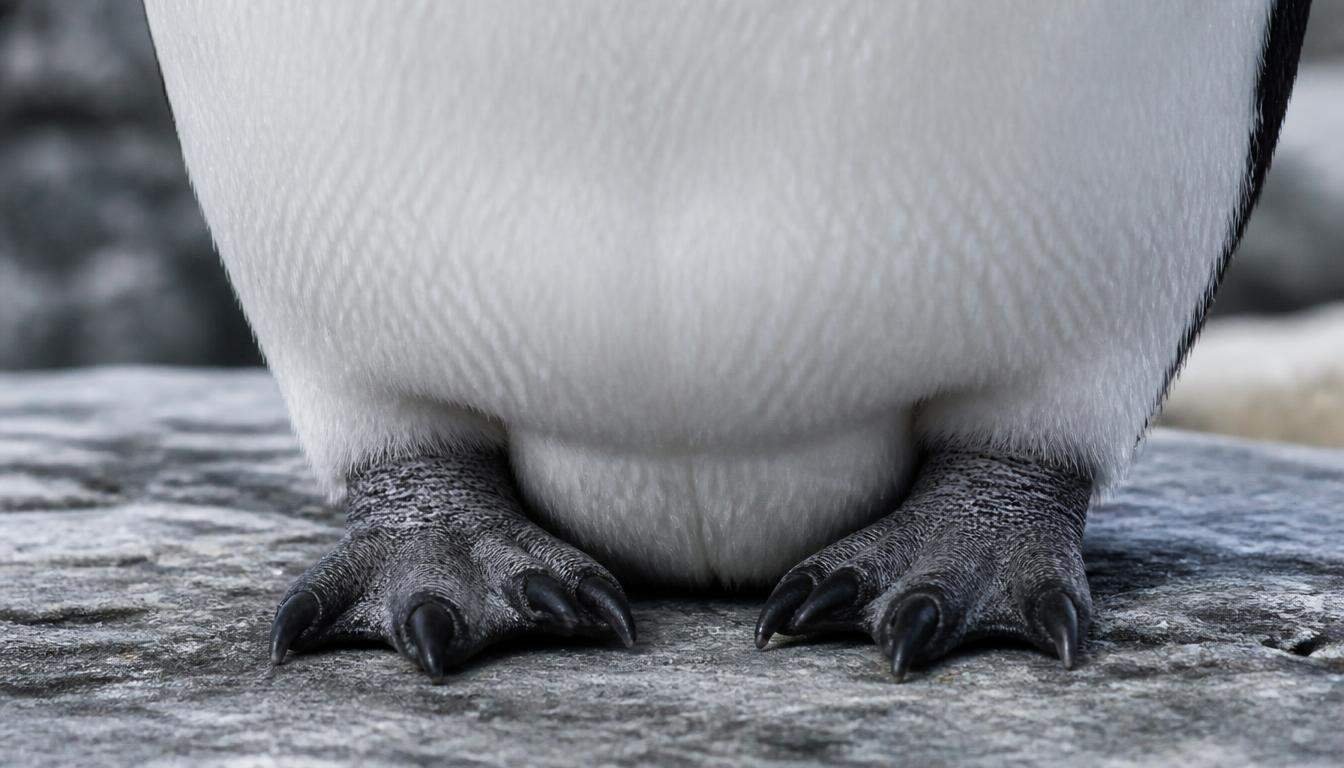
While the waddling motion itself helps conserve energy, the same 2000 study found that penguins are still relatively expensive walkers overall compared to other animals of similar size, and the root cause of that inefficiency lies specifically in their short legs rather than the waddle itself. According to Griffin, walking is expensive for penguins because their short legs require their leg muscles to generate force very quickly with each step, a demand that increases the overall metabolic cost of walking regardless of the side-to-side motion.
Penguins’ legs are also positioned relatively far back and close to their body, an anatomical feature closely tied to their swimming ability rather than walking efficiency. This placement helps create a compact, hydrodynamic shape ideal for moving through water, but it leaves penguins with a narrow base of support on land, making the rocking, waddling gait a practical way to shift their center of mass from one leg to the other with each step.
Is Waddling The Fastest Way For Penguins To Walk?
Waddling is generally understood as the most energy-efficient way for penguins to walk, though “efficient” and “fast” aren’t necessarily the same thing here. Given their anatomical constraints, particularly their short legs and rearward leg placement, waddling represents the best available walking strategy for conserving energy rather than a way to maximize walking speed specifically.
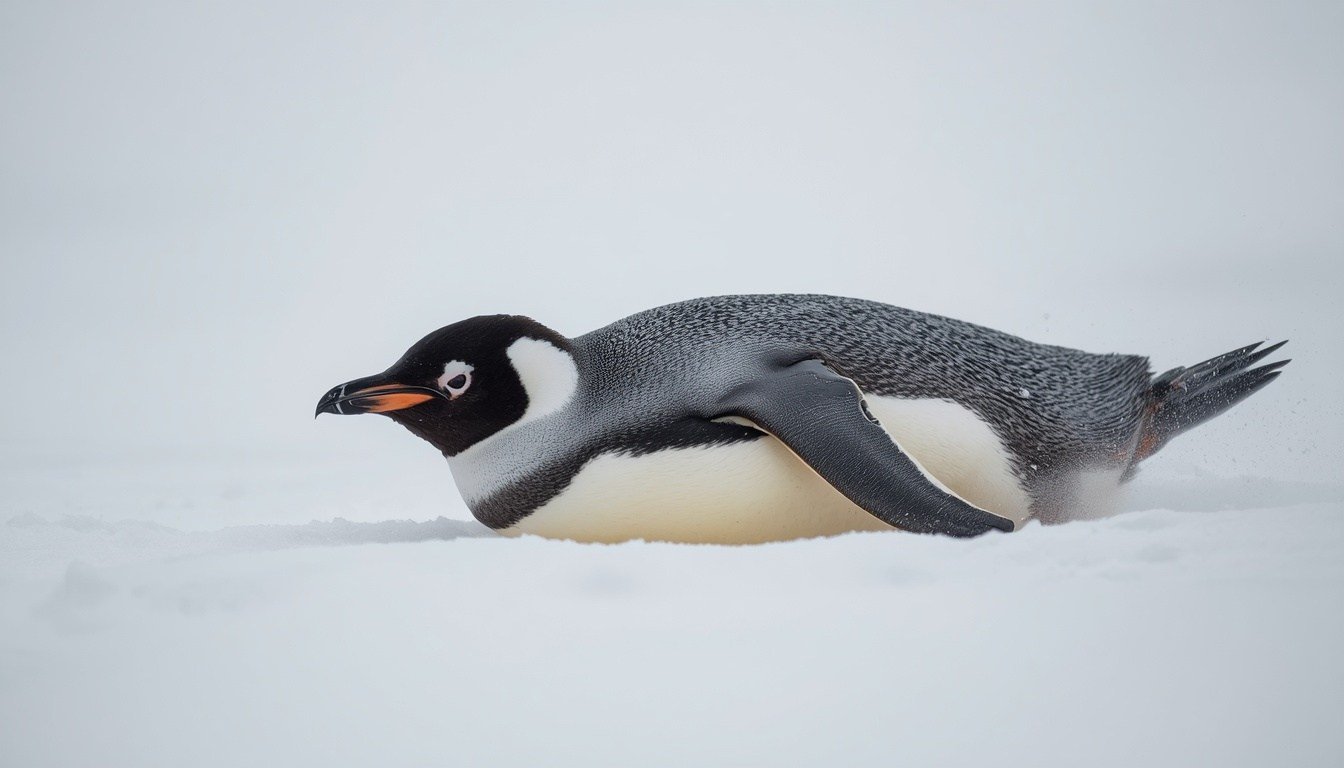
When speed genuinely matters, particularly on snow or ice, many penguin species switch to an entirely different method of movement called tobogganing, where they lie flat on their bellies and propel themselves forward using their flippers and feet. Tobogganing is generally considered faster and more energy-efficient than waddling over long, smooth, icy stretches, which is part of why penguins frequently use this method when covering longer distances across snow-covered terrain rather than waddling the whole way.
Do All Species of Penguins Waddle The Same Way?
Not entirely. While all penguin species share the same basic short-legged, rearward-leg-placement body plan that leads to waddling in the first place, there’s some variation in waddling style and speed across different species and body sizes. Smaller penguin species, such as little penguins, tend to display quicker, more rapid waddling steps, while larger species, like emperor penguins, generally move with a slower, more deliberate rocking gait suited to their greater size and weight.
Individual body condition can also affect waddling style within a single species. Research on king penguins found that heavier, fatter individuals, particularly before long fasting periods associated with breeding, tended to show a more pronounced, less stable waddle compared to leaner penguins, likely due to how additional frontal fat shifts an individual’s center of mass forward.
How Do Penguins Balance Their Fat Body While Walking?
Penguins carry significant fat reserves, particularly before long breeding fasts, and this added weight can noticeably affect walking stability. The same king penguin research mentioned above found that greater body mass was associated with increased variability in both the angle and amplitude of a penguin’s waddling motion, suggesting that carrying more fat can make maintaining a steady, balanced gait somewhat more challenging.
The waddling motion itself likely helps compensate for this challenge to some degree, since the side-to-side rocking allows penguins to continuously adjust their center of mass over a narrow base of support with each step, functioning as a built-in balancing mechanism rather than something that works against stability. Even so, researchers have noted that increased waddling amplitude in heavier individuals may reflect the bird working somewhat harder to maintain balance compared to its leaner counterparts, rather than the waddle itself becoming meaningfully more efficient at a higher body weight.
Waddling vs Swimming: Where Are Penguins Faster?
Penguins are dramatically faster and more efficient swimmers than walkers, and this contrast reflects how strongly their entire body plan has been shaped by life in the water rather than on land. The same short, rearward-set legs that make walking mechanically difficult are specifically well-suited to swimming, allowing penguins to maintain a smooth, compact, hydrodynamic shape as they move through water using their flippers for propulsion.
While walking on land costs penguins roughly twice as much energy as it does for other similarly sized terrestrial animals, swimming represents their primary, evolutionarily optimized mode of movement, and most penguin species are capable of sustained underwater speeds well beyond anything they could achieve waddling across ice or rock. This trade-off, sacrificing some walking efficiency in exchange for excellent swimming ability, generally makes sense given that swimming plays a far more central role in a penguin’s survival, particularly for hunting prey in open water.
10 Cute Facts About Penguin Walking Style
Penguins recover energy with every wobble. Their side-to-side rocking motion works like a pendulum, storing and releasing energy rather than wasting it with each step.
Short legs are actually a swimming advantage. The same leg shape that makes walking a little clumsy helps penguins swim more efficiently underwater.
Not all penguins waddle at the same speed. Smaller species tend to take quicker steps, while larger species waddle more slowly and deliberately.
Penguins have a backup move for icy ground. When walking gets inefficient, many penguins simply flop onto their bellies and toboggan across the snow instead.
A chubbier penguin waddles a little differently. Extra fat reserves before breeding season can shift a penguin’s balance and change how pronounced its waddle looks.
Penguins are essentially built backward for walking. Their legs sit close to the rear of their body, a feature designed more for swimming than strolling.
Scientists once assumed waddling was wasteful. It took a specialized force-platform study on real penguins to prove that assumption wrong.
Emperor penguins are surprisingly efficient walkers, energy-wise. Their stride recovers a higher percentage of mechanical energy than many other walking animals, including humans.
Waddling helps penguins stay upright on uneven ground. The rocking motion isn’t just cute, it also helps them maintain balance step to step.
Every penguin species still relies on waddling somewhat differently. Body size, leg length, and even seasonal weight changes all shape each species’ particular waddling style.
Frequently Asked Questions
Do penguins waddle because their legs are weak?
No, penguin waddling isn’t due to weak legs, but rather the combination of short leg length and a rearward leg position that makes their side-to-side rocking gait the most energy-efficient walking strategy available to them.
Is waddling faster than tobogganing for penguins?
Generally no, tobogganing, where a penguin slides on its belly while pushing with its flippers and feet, is typically considered faster and more energy-efficient than waddling over longer, smoother, icy distances.
Why do baby penguins waddle differently than adults?
Young penguins are still developing coordination, balance, and full-sized limbs, which can make their waddling gait appear less steady or more exaggerated compared to fully grown adults.
Does every penguin species waddle exactly the same way?
No, waddling style and pace vary somewhat by species and body size, with smaller penguins generally taking quicker steps and larger species moving with a slower, more pronounced rocking gait.
Can penguins walk without waddling at all?
Given their short legs and rearward leg placement, some degree of side-to-side rocking motion is a natural result of their anatomy, making a completely non-waddling walking gait essentially impractical for penguins.
Conclusion
Penguins waddle for a genuinely sound biomechanical reason: their short legs and rearward leg placement, features that make them exceptional swimmers, leave waddling as the most energy-efficient way to move across land. Far from being a wasteful accident of anatomy, that familiar rocking gait functions like a small pendulum, helping penguins recover energy with every step even as their short legs still make walking more metabolically costly overall than it is for many other animals their size. The next time a penguin’s walk looks a little clumsy, it’s worth remembering that it’s actually a fairly clever solution to a genuinely tricky anatomical trade-off.

Ethan Carter is a nature enthusiast and educational writer at Wonderexplained. He creates well-researched articles about animals, oceans, weather, and the natural world, making complex topics easy to understand. His goal is to provide accurate, engaging, and reader-friendly content that inspires curiosity and lifelong learning.

1 thought on “Why Do Penguins Waddle? The Real Science Behind It [2026]”